
PVC Glue for Pool Patch: Perfect 2025 Guide
Your Guide to a Leak-Free Pool
PVC glue for pool patch repairs can save you hundreds of dollars and weeks of downtime when done correctly. The key is choosing the right adhesive and knowing when a DIY fix will work versus when you need professional help.
Quick Answer for Pool Patch Glue Selection:
- High-Quality Vinyl Cement – Industry standard, works underwater, sets in 2 minutes
- Specialized vinyl adhesives – Different from plumbing PVC cement
- Waterproof and flexible – Must remain flexible when cured
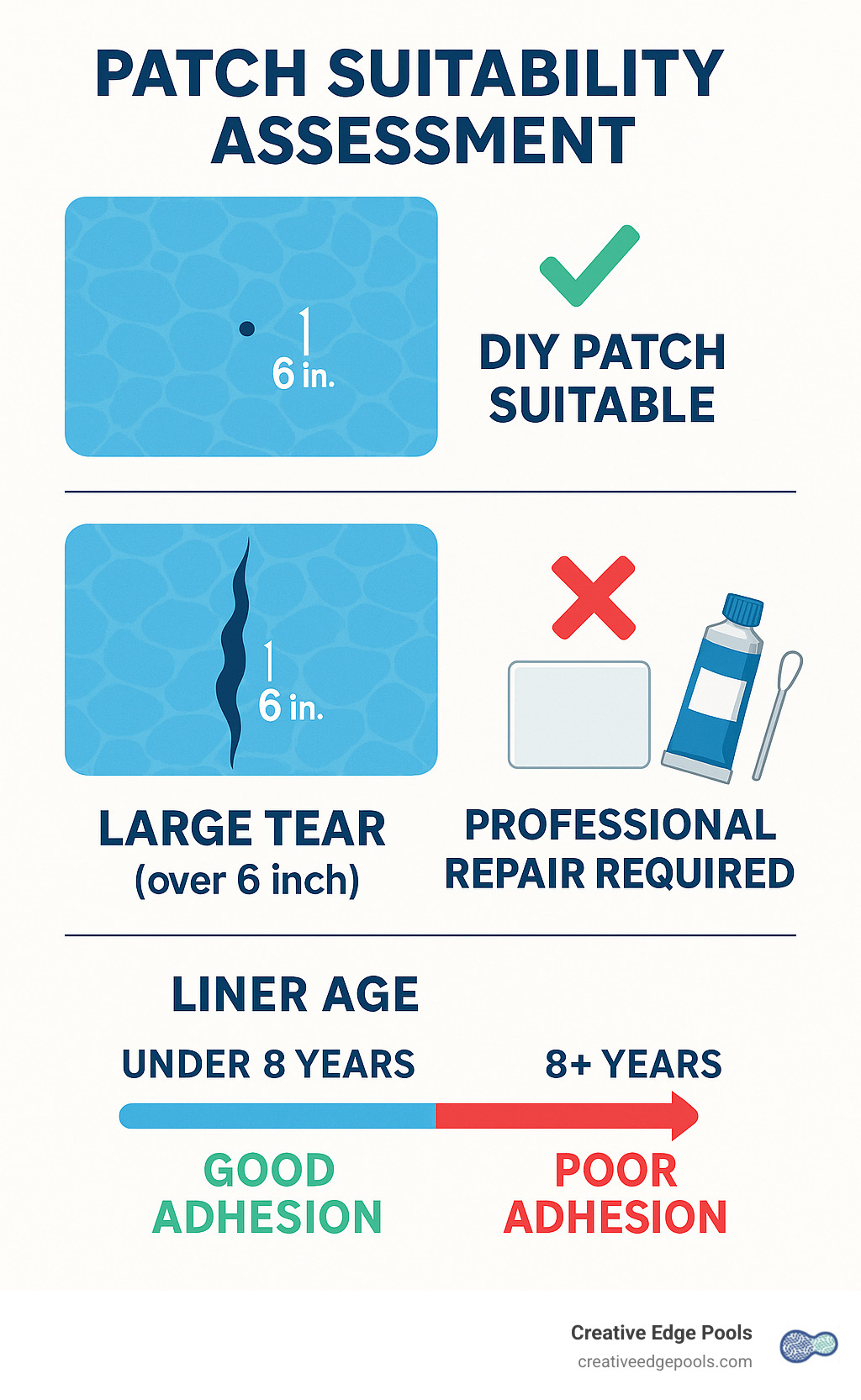
- Small repairs only – Pinholes to 2-3 inch tears maximum
- Older liners (8+ years) – May not hold patches well
When you find that dreaded leak in your pool liner, your first instinct might be panic. But many small tears and pinholes can be fixed with the right approach. The trick is understanding that not all PVC glues are created equal – standard plumbing cement won’t work on flexible vinyl liners.
According to industry research, a properly applied pool patch using quality vinyl adhesive can last from several seasons up to the lifetime of the pool. However, using the wrong type of glue or poor application technique often leads to failed repairs and wasted time.
I’m David Brabant, owner of Creative Edge Pools, and over my thirty years in the pool industry, I’veseen countless homeowners struggle with PVC glue for pool patch repairs that fail because they used the wrong adhesive. Through hands-on experience with hundreds of liner repairs, I’ve learned which products work and which techniques ensure lasting results. Follow our pool care tips on Facebook for more expert advice.
Basic pvc glue for pool patch terms:
Choosing the Right PVC Glue for Your Pool Patch
Finding a leak in your pool can feel overwhelming, especially when you’re staring at rows of different adhesives at the store. Don’t worry – I’ve been there too! This section will help you understand the crucial differences between adhesives to ensure your repair lasts. We’ll cover what makes a glue suitable for a flexible vinyl liner and what to look for when selecting your product.
Vinyl Adhesives vs. Standard PVC Cement: What’s the Difference?
Here’s where many pool owners make a costly mistake. You might think that PVC glue for pool patch repairs means grabbing any PVC cement from the hardware store. But using standard plumbing PVC cement on your pool liner is like trying to patch a yoga mat with concrete – it just won’t work.
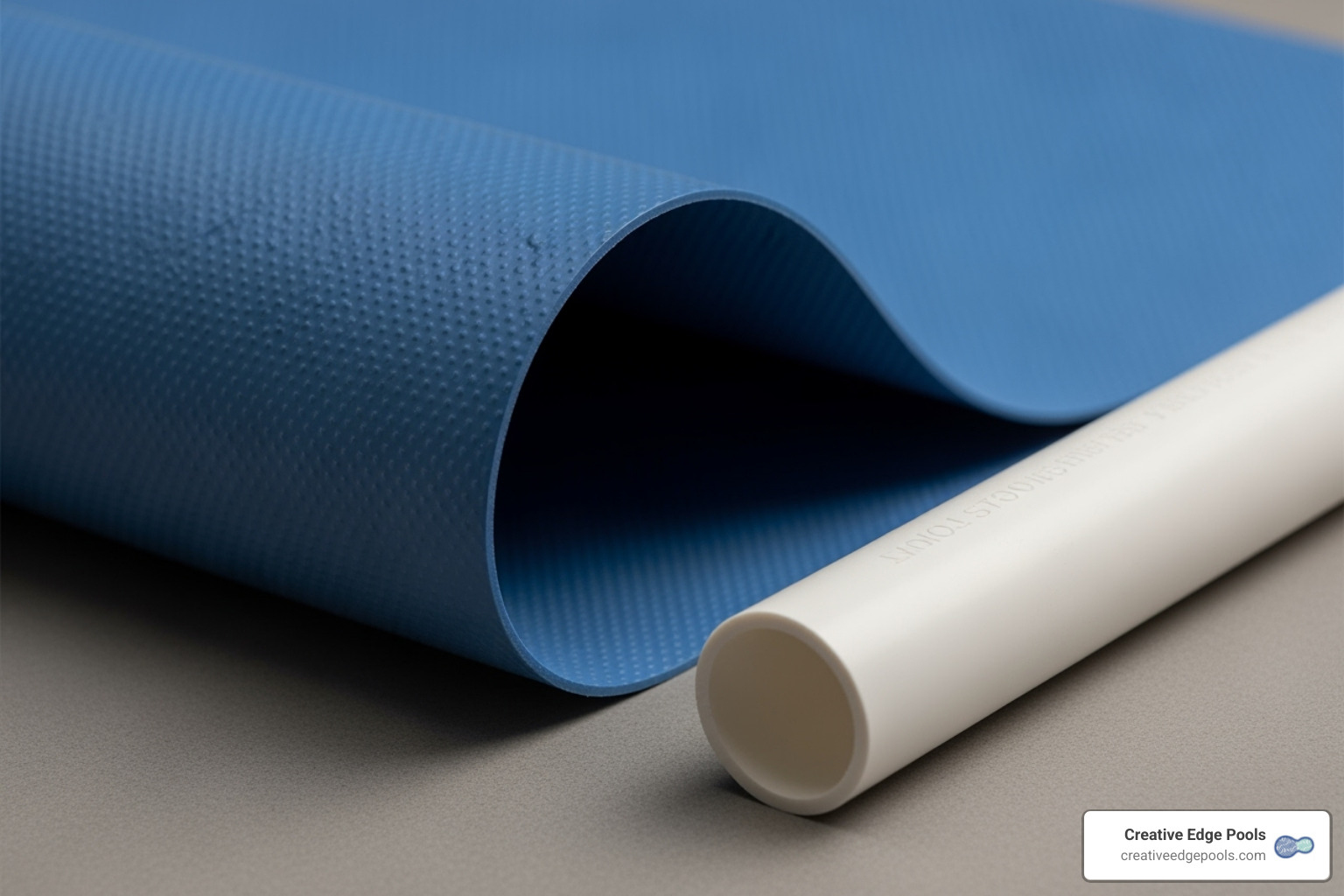
Standard PVC cement is designed for rigid pipes that never need to move. It works through solvent welding, literally melting the pipe surfaces together into one solid piece. This creates an incredibly strong but completely inflexible bond. When you apply this to a pool liner that needs to flex and move with temperature changes, the patch becomes brittle and cracks almost immediately.
Specialized vinyl adhesive is completely different. It’s formulated specifically for flexible materials like your pool liner. Instead of creating a rigid weld, it forms a strong yet flexible bond that moves with your liner. The adhesive stays pliable even after it cures, which is exactly what you need for a lasting repair.
A high-quality vinyl adhesive is the industry standard, creating bonds actually stronger than the vinyl itself while maintaining perfect flexibility. This isn’t just marketing talk – after three decades of pool repairs, I’ve seen patches made with quality vinyl adhesive outlast the original liner. Learn more about our custom pool work where we use only the best materials for every component.
Key Features of an Effective PVC Glue for a Pool Patch
Not all vinyl adhesives are created equal. When you’re shopping for PVC glue for pool patch repairs, you need an adhesive that can handle everything your pool throws at it.
Waterproof properties are obviously essential, but it goes deeper than just water resistance. Your pool chemicals create a harsh environment that can break down inferior adhesives over time. Quality vinyl cement forms a completely watertight seal that won’t degrade even with constant chemical exposure.
Underwater application capability is a game-changer. Many leaks appear when your pool is full, and draining thousands of gallons just to make a small repair doesn’t make sense. The best vinyl adhesives work perfectly even when applied underwater, letting you fix the problem immediately.
Lasting flexibility separates good patches from failed ones. Your liner expands and contracts with temperature changes throughout the seasons. The adhesive must cure into a flexible bond that moves with these changes without cracking or peeling away.
Strong bond strength might seem to contradict flexibility, but the best adhesives deliver both. A quality vinyl cement, for example, creates bonds stronger than the vinyl material itself while maintaining perfect flexibility. This means your patch becomes the strongest part of your liner.
Temperature and weather resistance ensure your repair lasts through harsh winters and scorching summers. Quality adhesives maintain their properties across extreme temperature ranges and resist UV degradation from constant sun exposure.
The versatility extends beyond just liner repairs too. You can use the same adhesive on inflatable toys and pool covers, making a good vinyl repair kit valuable for all your pool maintenance needs. A helpful guide on vinyl repair kits covers everything you need to know about building your repair arsenal.
How Long Does a Vinyl Pool Patch Last?
This is the question every pool owner asks, and the answer might surprise you. Patch longevity depends on several factors, but with proper application and quality materials, patches can last from several seasons up to the lifetime of the liner.
Proper application is absolutely critical. A rushed job where you skip cleaning the surface or don’t allow proper curing time will fail quickly. Take your time and follow the instructions exactly – it makes all the difference.
The quality of patch material and adhesive directly affects longevity. Cheap repair kits with inferior adhesives might save a few dollars upfront, but they’ll cost you time and frustration when they fail in a few months.
Water chemistry balance plays a bigger role than most people realize. Consistently balanced pH, alkalinity, and chlorine levels protect both your liner and your patch. Harsh or unbalanced chemicals can break down even the best adhesives over time.
Liner age and condition significantly impact patch success. Research shows that patches may not adhere well to liners older than 8-10 years. An aging liner becomes brittle and develops microscopic cracks that prevent good adhesion. If your liner is showing significant wear, a patch might provide temporary relief, but you should start considering a full replacement.
UV exposure and environmental factors gradually affect all materials. While quality adhesives resist UV damage and weather extremes, decades of exposure will eventually take their toll.
The size and location of damage matter too. Small pinholes in flat areas hold patches much better than large tears or damage near seams and fittings. For anything larger than 2-3 inches, professional assessment is recommended.
Done right with quality materials on a healthy liner, a patch can be incredibly durable. I’ve seen patches that lasted longer than some of the original liners they were applied to!
How to Apply a Pool Patch with PVC Glue: A Step-by-Step Guide
Now comes the moment of truth! You’ve got your specialized PVC glue for pool patch ready to go, and it’s time to transform that frustrating leak into a distant memory. Think of this as performing a little surgery on your pool liner – with the right technique and a steady hand, you’ll have a repair that could last for years.
With the right glue selected, a successful application is key. Follow these steps for a durable, watertight seal, whether your pool is full or empty.
Prepping for the Perfect Patch
Here’s where many DIY repairs go wrong – rushing through the prep work. Trust me, taking your time here will save you from the heartbreak of watching your patch peel off a week later.
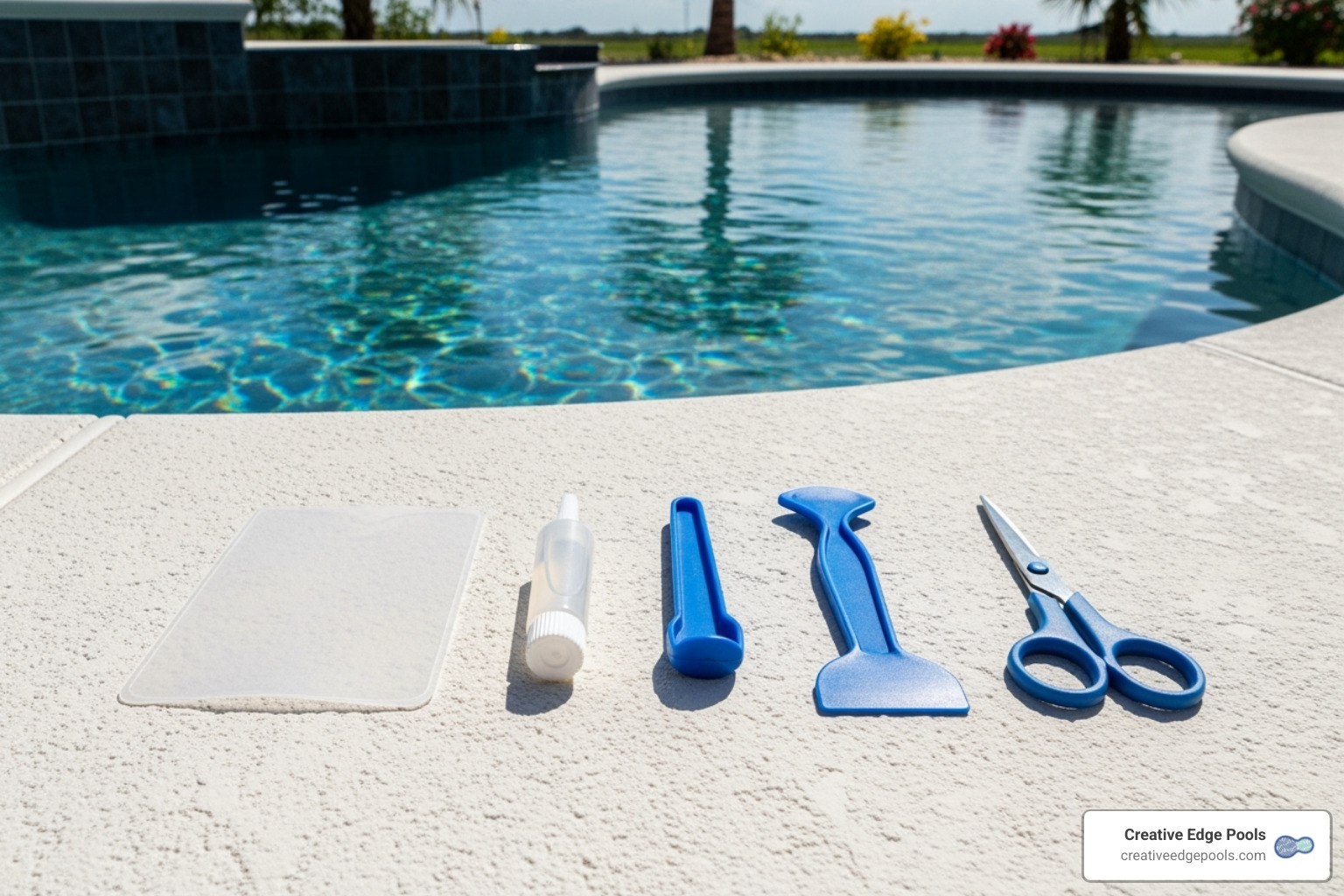
Start by gathering your repair kit contents. A quality kit should include clear vinyl patch material (usually enough for several repairs), specialized vinyl adhesive, an applicator brush, and scissors. You’ll also want isopropyl alcohol for cleaning – this step is absolutely crucial for a lasting bond.
Now for the 2-inch overlap rule – this isn’t just a suggestion, it’s your insurance policy. Measure your tear or hole, then cut your patch so it extends at least two inches beyond all edges of the damage. A standard patch can handle tears up to about six inches when applied properly.
Here’s a pro tip that makes a huge difference: rounding patch corners. Those sharp corners are like little invitation cards for water to sneak under and start peeling your patch. Take your scissors and gently round each corner – it takes thirty seconds but can add years to your repair’s life.
Cleaning the liner surface is where patience pays off. Whether you’re working above or below water, that vinyl needs to be spotless. Use isopropyl alcohol to remove any dirt, oils, or that slippery algae film. If your liner has a glossy finish, a gentle scuff with fine sandpaper gives the adhesive something to grip.
Applying the PVC Glue for a Pool Patch: Dry vs. Underwater Method
The application method depends on where your leak decided to show up. Both techniques work beautifully when done right, but they each have their quirks.
For dry application steps, you’ve got the advantage of perfect conditions. Apply a thin, even coat of your vinyl adhesive to both the patch and the cleaned liner area. Here’s where patience becomes your friend – wait for that tacky feel. The glue should feel sticky but not wet when you lightly touch it with your finger. This usually takes two to three minutes, but don’t rush it.
When you place the patch, start from the center and work outward with firm pressure. You’re essentially massaging out any air bubbles that could weaken the bond. Think of it like smoothing a screen protector on your phone – slow and steady wins the race.
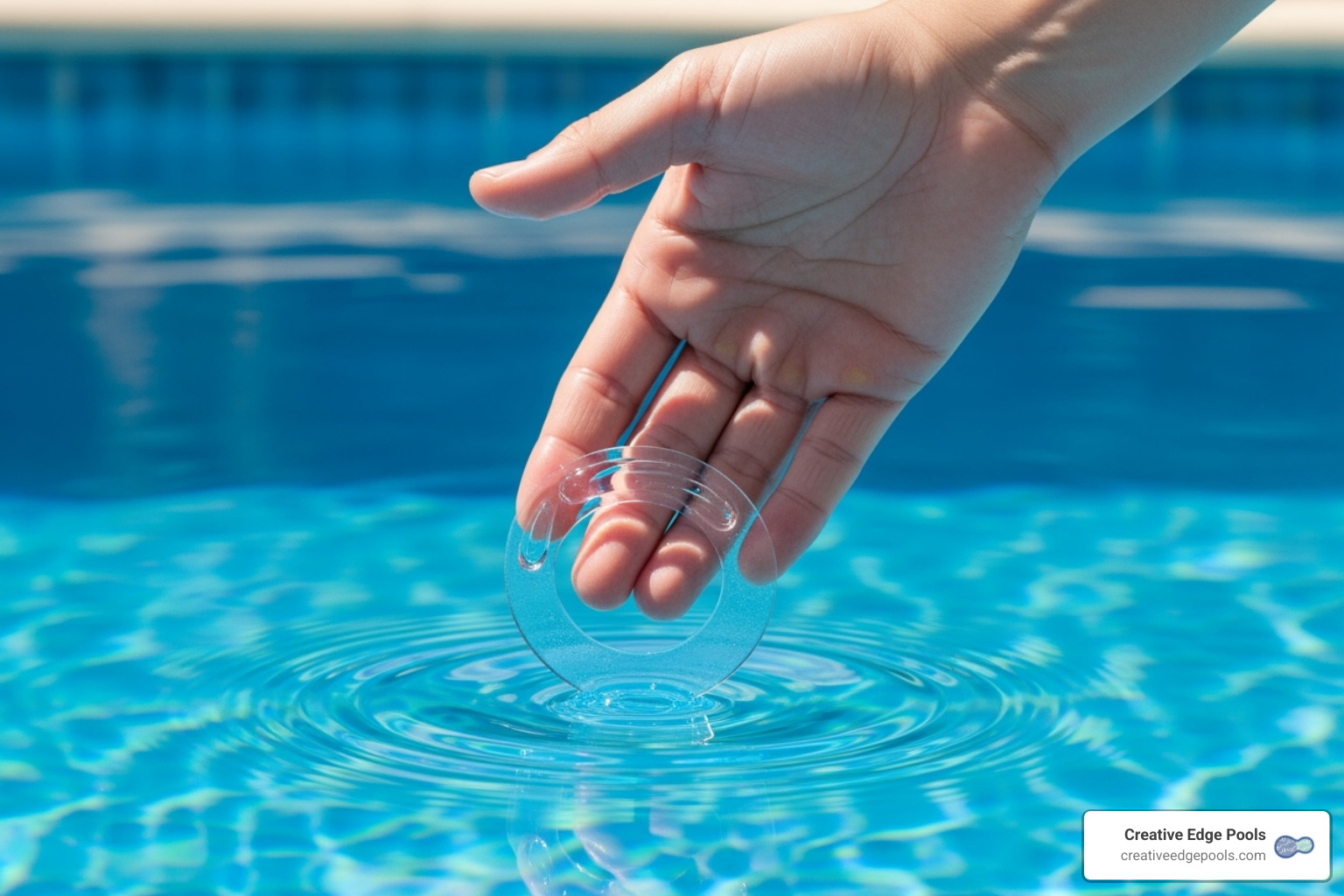
Underwater repair steps require a bit more finesse, but they’re incredibly convenient. The trick is preparing everything above water first. Apply the adhesive only to your patch, let it get slightly tacky, then fold it carefully with the glue side protected. Once underwater, unfold and position it quickly but precisely.
Removing air bubbles underwater takes practice, but it’s totally doable. Press from the center outward, pushing water and air toward the edges. The bond forms surprisingly fast underwater – you’ll feel it grab within seconds.
Curing time is the same for both methods: you’ll have a workable repair in about an hour, but full strength develops over 24 hours. Resist the urge to test it immediately – I know it’s tempting!
If you’re feeling overwhelmed by any part of this process, remember you can always Find local pool service providers who’ve done this hundreds of times.
Safety, Troubleshooting, and When to Call a Pro
Let’s talk about staying safe while getting this repair right. Proper ventilation isn’t just a suggestion when working with vinyl adhesives – those solvents are potent. Work outdoors when possible, or ensure plenty of airflow if you’re in an enclosed area.
Skin protection matters too. Wear gloves and keep the adhesive away from your eyes. These products are designed to bond strongly to vinyl, and your skin is surprisingly similar in some ways!
Even perfect repairs can sometimes show signs of a failing patch. Peeling edges are the most common issue, usually starting at corners (which is why rounding them helps so much). If you catch it early, you can often clean the area and apply a slightly larger patch right over the failing one.
The re-repair process is straightforward: carefully remove the old patch, clean away any residue with alcohol, and start fresh. Don’t feel bad if your first attempt doesn’t last forever – even professional installers sometimes need a second try.
Now, let’s be honest about when DIY isn’t the answer. Large tears bigger than three or four inches put enormous stress on a patch. Damage near seams or around fittings requires specialized knowledge about how water pressure affects different areas of your liner.
If your liner is showing its age with multiple old or brittle liners issues, patches might be like putting band-aids on a larger problem. At Creative Edge Pools, we’ve seen homeowners spend more on multiple patch attempts than a professional repair would have cost initially.
Sometimes the smartest move is calling in experts who’ve handled every type of liner damage imaginable. For major damage or if you’re unsure, a professional Pool Liner Repair Kit Vinyl or service is your best bet.
