
Underground Swimming Pool: Top 5 Stunning Benefits 2024
An underground swimming pool transforms any backyard into a private retreat, where leisure and luxury blend seamlessly. For those considering this extraordinary addition, here’s a quick glimpse into the captivating world of underground swimming pools:
- Leisure Lifestyle: Offers a space for relaxation, exercise, and entertainment right at home.
- Long-term Investment: Increases property appeal while providing years of enjoyment.
- Backyard Oasis: Converts ordinary spaces into a stunning personal haven.
Imagine stepping out your back door into a serene environment that promises endless enjoyment for you and your family. An underground swimming pool is not just a recreational feature; it’s an investment in a lifestyle that many dream of. By incorporating a pool, your backyard becomes more than just an outdoor space—it evolves into your personal slice of paradise.
I’m David Brabant, owner of Creative Edge Pools. With over thirty years in the industry and hands-on experience in various phases of pool development, I understand the intricacies of creating the perfect underground swimming pool experience while ensuring quality craftsmanship and client satisfaction.
Simple underground swimming pool word guide:
– inground swimming pool construction
– concrete pool
– pool builder
Types of Underground Swimming Pools
When it comes to choosing the right underground swimming pool for your home, understanding the different types available is crucial. Each type offers unique benefits and features, ensuring there’s something for every homeowner’s taste and budget.
Fiberglass Pools
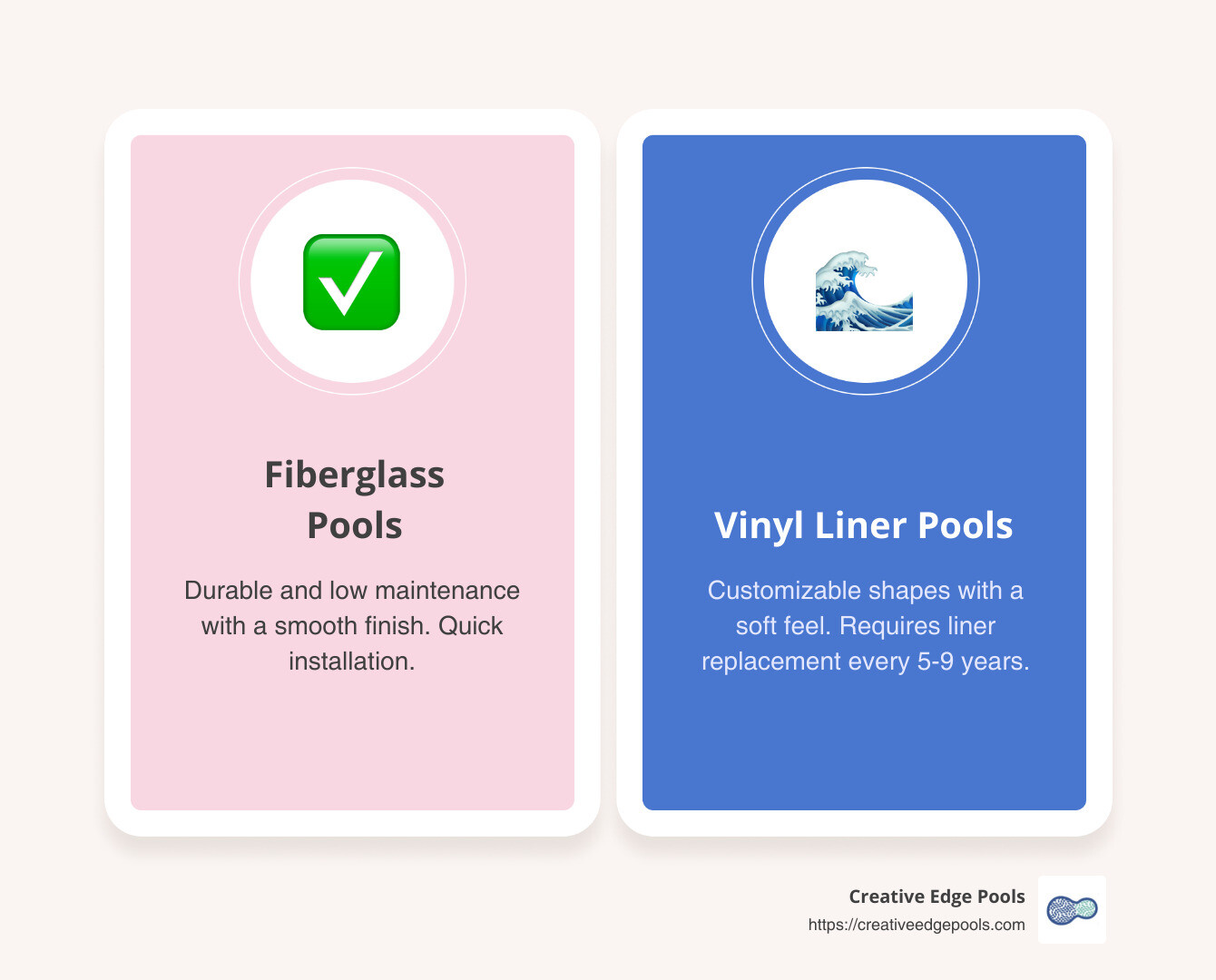
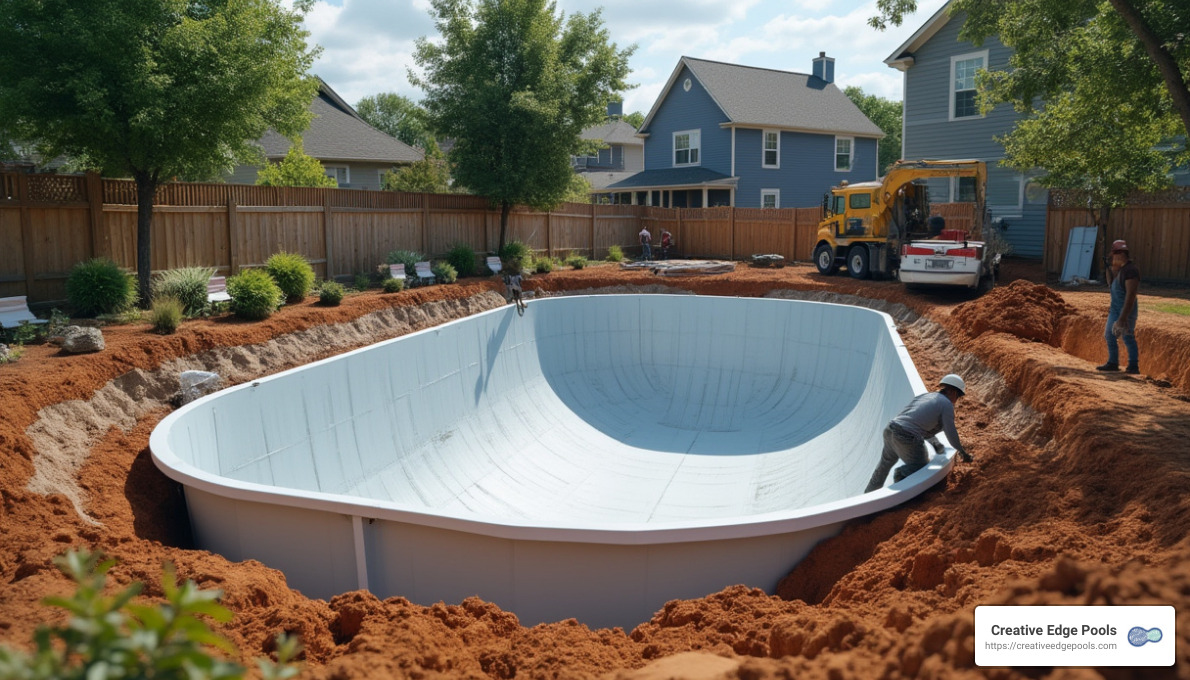
Fiberglass pools are a popular choice among homeowners due to their ease of installation and low maintenance requirements. These pools are made from a pre-formed fiberglass shell that is delivered to your site and installed into the ground.
- Durability and Strength: Fiberglass pools are known for their robust construction. They are resistant to algae growth and have a smooth, non-porous surface that prevents cracking and fading over time.
- Quick Installation: Because they are pre-fabricated, fiberglass pools can be installed much faster than other types, often within a few weeks.
Custom Pools
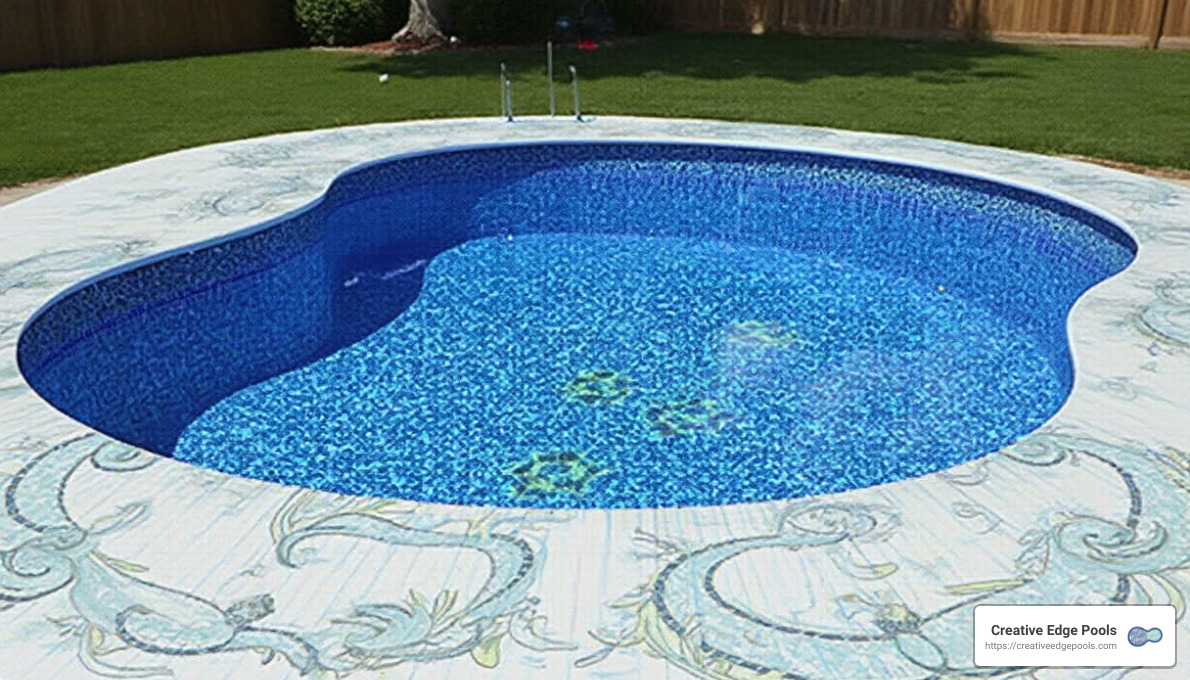
For those seeking a customizable option, custom pools are an excellent choice. These pools can be tailored to various shapes, sizes, and designs to fit your specific needs.
- Customizable Aesthetics: Custom pools offer a variety of design options, allowing homeowners to personalize their pool’s appearance to match their backyard decor.
- Versatile Designs: With custom pools, you can incorporate unique features and finishes that reflect your personal style.
Durability Considerations
Both fiberglass and custom pools offer impressive durability, but they do have differences:
- Fiberglass Pools: Tend to last longer with less maintenance. The material is inherently strong and resistant to the elements.
- Custom Pools: While they are durable, the specific materials and finishes chosen can affect longevity and maintenance needs.
Choosing the right type of underground swimming pool depends on your personal preferences, budget, and the specific conditions of your backyard. Both fiberglass and custom pools provide excellent options for creating a beautiful and long-lasting backyard oasis.
Benefits of Underground Swimming Pools
Safety, aesthetics, and longevity are key benefits that make an underground swimming pool a worthy investment for your home.
Safety
An underground swimming pool provides a safe environment for children and pets. These pools are typically surrounded by secure fencing and can include safety covers, which help prevent accidents. Compared to above-ground pools, they have a lower risk of tipping or collapsing.
According to a study by the National Safety Council, having a properly fenced pool reduces the risk of drowning by up to 83%. This makes underground pools a safer choice for families looking to enjoy their backyard oasis without constant worry.
Aesthetics
Aesthetics play a significant role in the allure of underground swimming pools. These pools can be seamlessly integrated into your backyard design, enhancing the overall look and feel of your outdoor space.
- Custom Designs: With options like fiberglass and vinyl liner pools, you can choose from a variety of shapes, sizes, and finishes that complement your landscape.
- Natural Look: Many homeowners prefer the sleek and natural appearance of an underground pool, which can be improved with features like waterfalls, lighting, and surrounding decking.
This aesthetic appeal not only makes your backyard more enjoyable but can also increase your property’s value, making it an attractive feature for potential buyers.
Longevity
When it comes to longevity, underground pools are built to last. The materials used, such as fiberglass and vinyl, are designed to withstand the elements and provide years of enjoyment.
- Fiberglass Pools: Known for their durability, these pools require minimal maintenance and are resistant to algae growth, ensuring a long lifespan.
- Vinyl Liner Pools: While the liners may need replacement every 7 to 10 years, the pool structure itself can last much longer with proper care.
The long-term durability of underground pools means you can enjoy your investment for decades, creating countless memories with family and friends.
In summary, underground swimming pools offer a combination of safety, aesthetic appeal, and longevity that makes them an excellent choice for homeowners looking to improve their outdoor living space.
Next, we will explore how to build an underground swimming pool, covering essential steps like pool type selection, permits, and construction processes.
How to Build an Underground Swimming Pool
Building an underground swimming pool is a multi-step process that requires careful planning and execution. Here’s a simple guide to help you understand the key steps involved:
Pool Type Selection
First, choose the type of pool that suits your needs and budget. The main types are fiberglass, vinyl liner, and concrete pools. Each has its pros and cons:
- Fiberglass Pools: Quick to install and low maintenance. They come in pre-made shapes and sizes.
- Vinyl Liner Pools: Cost-effective with customizable shapes, but liners need replacement every 7-10 years.
- Concrete Pools: Highly customizable and durable, but they take longer to install and may require more maintenance.
Permits
Before construction begins, secure the necessary permits. This step is crucial to ensure your pool complies with local building codes and regulations. Contact your local municipality to learn about the specific requirements in your area.
Excavation
Once permits are in place, excavation can start. This involves digging a hole for your pool based on the chosen design. It’s a precise process that requires professional expertise to avoid complications.
- Excavation Depth: Ensure the depth aligns with your design plan and safety standards.
- Site Preparation: Clear the area of any obstacles and ensure proper drainage to prevent future issues.
Plumbing
After excavation, it’s time to install the plumbing. This step involves setting up the pipes and fittings that will manage water circulation, filtration, and heating.
- Water Circulation: Proper plumbing ensures efficient water flow, keeping your pool clean and safe.
- Heating Options: Consider adding a heater for year-round enjoyment, especially in cooler climates.
Concrete
For concrete pools, the next step is to pour the concrete. This forms the pool’s shell and requires skilled craftsmanship to ensure durability and a smooth finish.
- Reinforcement: Use steel rebar to reinforce the concrete, enhancing the pool’s strength.
- Curing: Allow the concrete to cure properly before proceeding with additional features or finishes.
Building an underground swimming pool involves several crucial steps, from selecting the right pool type to managing permits and construction. Each stage requires attention to detail and professional expertise to ensure a successful and long-lasting installation.
Next, we’ll address some frequently asked questions about underground swimming pools, including their lifespan and costs in specific locations like California.
Frequently Asked Questions about Underground Swimming Pools
How long do underground pools last?
The lifespan of an underground swimming pool largely depends on the materials used and the maintenance it receives. Fiberglass pools can last upwards of 25 years with proper care. They require minimal upkeep, which makes them a popular choice for homeowners looking for longevity with less hassle.
Concrete pools, on the other hand, can last over 50 years. They are extremely durable but might need more frequent maintenance, like resurfacing, to keep them in top condition. Vinyl liner pools are the most affordable upfront, but their liners typically need replacement every 7-10 years.
Regular maintenance is key to extending the lifespan of any pool. This includes balancing the water chemistry, cleaning filters, and inspecting for any potential issues. By staying on top of these tasks, you can enjoy your pool for many years.
How much does it cost to build an underground pool in California?
Building an underground pool in California can vary significantly in cost, influenced by factors like pool size, materials, and location. On average, you might expect to spend between $50,000 and $100,000 for a standard-sized pool.
Concrete pools tend to be on the higher end, starting at around $50,000 due to their durability and customizability. Fiberglass pools are generally less expensive, with costs ranging from $35,000 to $60,000. Vinyl liner pools are the most budget-friendly, starting at approximately $35,000 but requiring periodic liner replacements.
Dimensions also play a role; larger pools will naturally incur higher costs due to increased materials and labor. Additionally, California’s regulations and permit fees can add to the overall cost, so budget for these expenses when planning your dream pool.
What are underground pools of water called?
Underground swimming pools are commonly referred to as inground pools. These pools are built into the ground, offering a sleek and seamless aesthetic that improves the appeal of any backyard. Unlike above-ground pools, inground pools integrate well with landscaping and outdoor living spaces, providing a more permanent and luxurious recreation area.
Inground pools come in various shapes and sizes, allowing for customization to fit personal preferences and space constraints. Whether you opt for a classic rectangular design or a freeform shape, these pools offer a stylish and functional addition to any home.
Conclusion
At Creative Edge Pools, we believe in changing backyards into personal paradises. Our custom design approach ensures that every pool we build reflects the unique vision and lifestyle of our clients. From the initial concept to the final touches, we work closely with homeowners to create a pool that is not only functional but also a stunning centerpiece for their outdoor space.
Our comprehensive service goes beyond just pool installation. We offer a full suite of backyard development services, including landscaping and masonry, to complement your new underground swimming pool. This holistic approach means that every element of your outdoor area works together harmoniously, enhancing both the beauty and value of your home.
Choosing Creative Edge Pools means choosing a family-owned business with deep roots in Eastern Massachusetts and Southern New Hampshire. Our decades of experience and commitment to quality ensure that you’re not just getting a pool—you’re investing in a lifetime of enjoyment and memories.
Ready to dive into your dream backyard? Contact us today to start planning your custom pool project with Creative Edge Pools.
