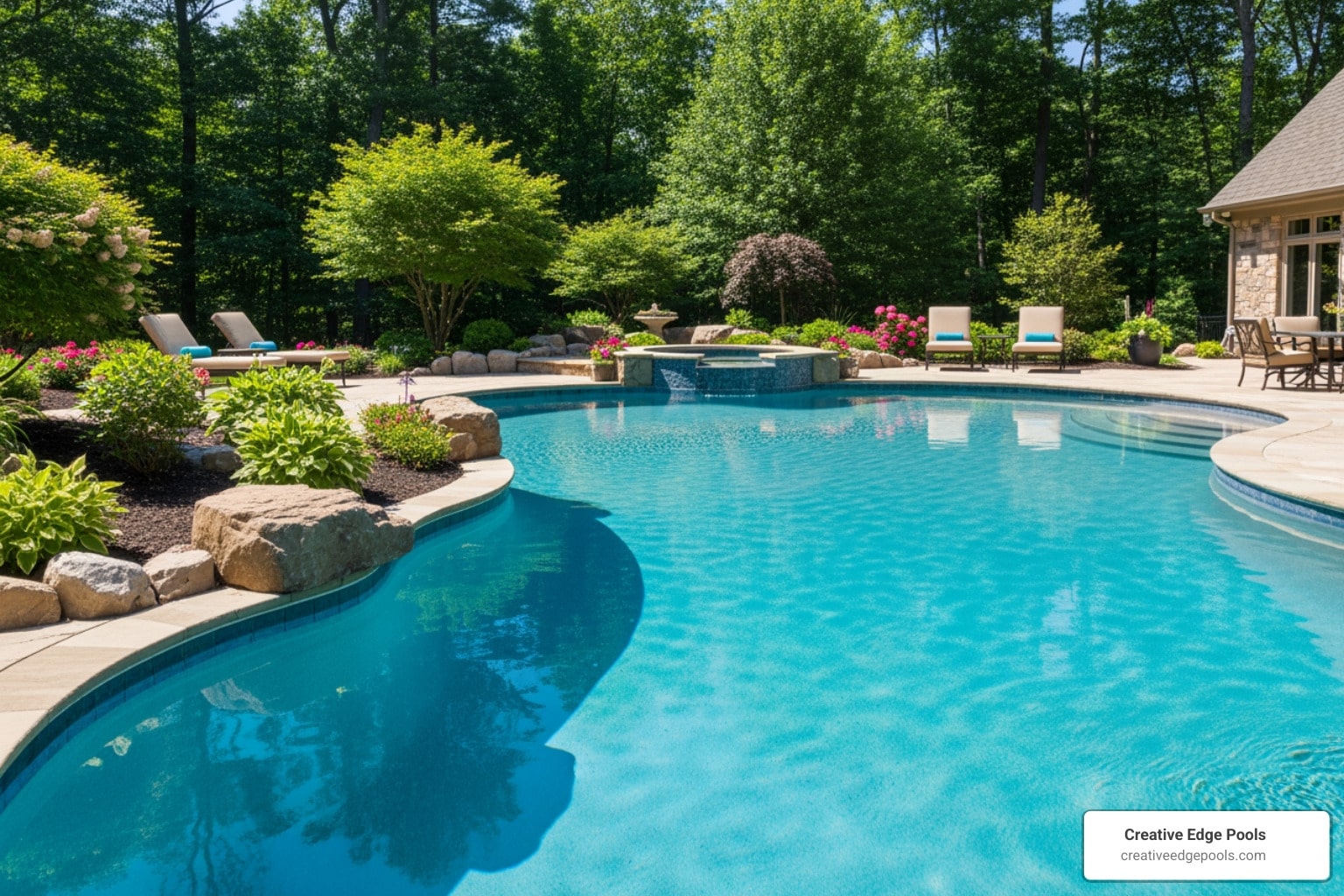
Why Pool Finish Selection Matters for Your Investment
A Quartz pool finish is a durable pool interior surface made from crushed quartz crystals blended with white Portland cement, polymers, and pigments. It costs $5-9 per square foot, lasts 12-18 years, and offers superior stain resistance and aesthetics compared to traditional plaster while remaining more affordable than pebble finishes.
Quick Comparison:
| Feature | Plaster | Quartz | Pebble |
|---|---|---|---|
| Lifespan | 5-10 years | 12-18 years | 15-20+ years |
| Cost/sq ft | $3-6 | $5-9 | $6-10 |
| Texture | Smooth | Smooth, slip-resistant | Textured |
| Durability | Basic | Strong | Strongest |
| Stain Resistance | Low | High | High |
The finish you choose for your pool is like icing on a cake—it’s the final touch that defines both appearance and longevity. But unlike icing, your pool finish needs to withstand decades of sun exposure, chemical treatments, and constant water contact.
Quartz finishes have become a favorite in the pool construction industry because they blend durability with beauty. They’re stronger than traditional marcite plaster, more comfortable than pebble, and cost 20-30% more upfront than basic plaster—but typically outlast it by 10-15 years.
For homeowners in Eastern Massachusetts and Southern New Hampshire planning a backyard change, understanding these differences matters. Your pool represents a significant investment, and the finish you select impacts maintenance costs, visual appeal, and how long you’ll enjoy your pool before needing to resurface.
This guide breaks down what quartz actually is, how it compares to pebble and plaster finishes, and what factors should influence your decision. We’ll look at real performance data, cost comparisons, and the practical considerations that matter most when you’re building or renovating a pool.
Understanding the Quartz Pool Finish
When we talk about a Quartz pool finish, we’re referring to a sophisticated blend that has revolutionized pool interiors. It’s often hailed as the “smartphone of pool surfaces” because it combines the best of both worlds: the enduring strength of natural quartz with a stunning aesthetic that traditional plaster simply can’t match. This modern finish is a blend of crushed quartz crystals, white Portland cement, specialized polymers, and often, vibrant pigments.
The raw quartz aggregates are carefully selected and often ceramic-coated, ensuring that the color remains stable and resists fading over time. This creates a non-porous surface that is inherently more resistant to stains and chemical imbalances than older plaster options. For a deeper dive into the technical specifications of these blends, you can explore resources like the QuartzScapes Product Specifications. This evolution from the traditional marcite plaster represents a significant leap in pool finish technology, offering homeowners a more resilient and visually appealing option.
The Material Science of a Quartz Pool Finish
At its core, a Quartz pool finish is a testament to clever material science. It typically starts with a base of white Portland cement, which acts as the binder. Into this, we introduce high-quality crushed quartz aggregates. These aren’t just any quartz; they are often small, rounded granules that have been mechanically tumbled and then permanently bonded with ceramic pigments. This ceramic coating is key, as it provides a durable, colorfast layer that won’t bleed or leach chemicals, much like glazed ceramic tile.
Beyond the quartz and cement, advanced formulations often include pozzolans and polymers. Pozzolans are siliceous and aluminous materials that react with calcium hydroxide in the cement to form compounds with cementitious properties, enhancing strength and density. Polymers improve flexibility, adhesion, and overall durability, making the finish more resistant to cracking and chemical attack. This precise composition creates a finish that is not only beautiful but also boasts superior chemical resilience and structural integrity, crucial for the fluctuating conditions of a pool in regions like Eastern MA and Southern NH.
Silica-Based vs. Marble-Based Aggregates
The type of aggregate used in a Quartz pool finish plays a critical role in its performance, particularly when comparing silica-based versus marble-based options. Traditional plaster and some older quartz blends often incorporate marble dust or marble-based aggregates. While these can offer a smooth finish, marble is a softer mineral, making it more susceptible to etching, staining, and chemical deterioration over time.
Silica-based quartz finishes, on the other hand, leverage the inherent hardness of quartz, which is one of the world’s hardest minerals. This makes them significantly more durable, offering superior etch resistance and structural integrity. For instance, products like PebbleQuartz Durability and Warranty highlight their silica-based composition as a key factor for greater durability compared to traditional marble-based quartz finishes. This translates into a longer lifespan and better resistance to the wear and tear of pool life, giving homeowners in our service areas a finish that truly stands the test of time.
Quartz vs. Pebble vs. Plaster: The Performance Comparison
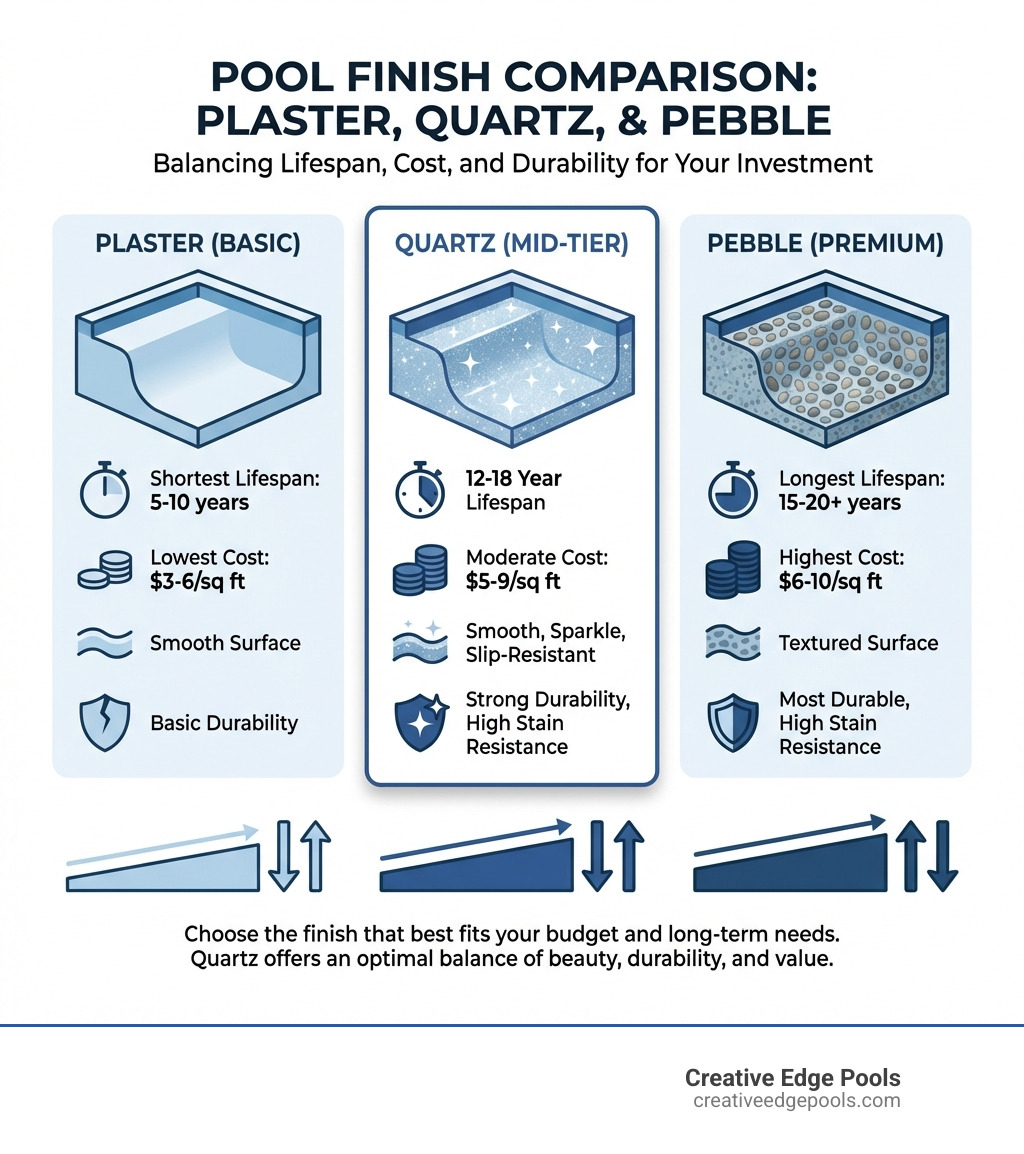
Choosing a pool finish is a big decision, and it’s helpful to compare the main contenders: traditional plaster, Quartz pool finish, and pebble finishes. Each offers a different balance of aesthetics, durability, and cost.
| Feature | Plaster | Quartz | Pebble |
|---|---|---|---|
| Lifespan | 5-10 years | 12-18 years | 15-20+ years |
| Cost/sq ft | $3-6 | $5-9 | $6-10 |
| Texture | Smooth | Smooth, slip-resistant | Textured |
| Durability | Basic | Strong | Strongest |
| Stain Resistance | Low | High | High |
Traditional marcite plaster has been the standard for decades, known for its smooth, classic white appearance and affordability. However, it’s also the least durable, often needing resurfacing every 7-10 years, and is highly susceptible to staining and etching from imbalanced water chemistry.
Quartz finishes represent a significant upgrade. They are considered a “high-tech hybrid,” offering a blend of durability and aesthetics. They are stronger than traditional plaster, provide superior color retention, and are much more stain-resistant. While costing roughly 20-30 percent more upfront than plaster, they offer a service life of 12-18 years, making them a wise long-term investment. They offer a smooth, yet slip-resistant surface, which is a great middle ground.
Pebble finishes sit at the top tier in terms of durability and natural aesthetic. Made from small, exposed pebbles embedded in cement, they are virtually impervious to chipping, mottling, staining, or fading. Pebble finishes can last 20+ years, but they are also the most expensive, costing 40-70% more than basic plaster and often having a rougher texture.
When we evaluate these options, quartz stands out as a fantastic choice for those seeking improved durability and beauty without reaching the premium price point of pebble. It’s less expensive than pebble but offers comparable durability, excellent stain resistance, and UV stability for vibrant, lasting color.
Durability and Lifespan Expectations
When we invest in a pool, we want it to last, and the finish plays a crucial role in that longevity. A Quartz pool finish is engineered for endurance, significantly outperforming traditional plaster. While plaster typically requires resurfacing every 7-10 years, quartz finishes typically provide 12-18 years of service life, and with proper maintenance, can easily last over a decade. This extended lifespan means less frequent, costly renovations for homeowners in our local New England climate.
The strength of quartz aggregates, which are among the hardest minerals on Earth, makes the finish highly resistant to common pool problems. It’s difficult to scratch, resists chipping and etching better than plaster, and creates a strong, non-porous, stain-resistant interior. This improved erosion resistance and resilience against mottling and hard water performance are especially beneficial in areas where water chemistry can be challenging.
Our experience shows that the durability of quartz is often backed by robust warranties. Many quality Quartz pool finish systems offer a 10-year standard manufacturer warranty, with some even providing a lifetime applicator warranty when installed by approved professionals. This commitment to longevity underscores the value and peace of mind a quartz finish brings to your backyard oasis.
Cost Analysis and ROI
Understanding the financial aspect of pool finishes involves looking beyond the initial price tag to consider the long-term return on investment (ROI). A Quartz pool finish typically costs between $5-9 per square foot. This makes it more expensive than traditional plaster, which ranges from $3-6 per square foot, but generally less expensive than pebble finishes, which can be $6-10 per square foot.
Specifically, quartz finishes cost roughly 20 to 30 percent more upfront than traditional plaster. While this represents a higher initial investment, the long-term value is undeniable. Given that quartz finishes typically last 12-18 years—often 10 to 15 years longer than plaster—you’ll likely defer the cost of resurfacing for a much longer period. This means fewer renovations over the life of your pool, saving you significant money and hassle in the long run.
When considering budget, weigh the upfront cost against the lifespan and maintenance requirements. While pebble finishes are highly durable, they come with the highest price tag. Quartz provides an excellent middle ground, offering a superior balance of durability, aesthetics, and cost-effectiveness. For many homeowners in Eastern MA and Southern NH, the slightly higher upfront cost of quartz is justified by its extended lifespan and reduced need for frequent maintenance and repairs, making it a smart investment for lasting enjoyment.
Aesthetic Qualities and Texture
One of the most compelling reasons homeowners choose a Quartz pool finish is its stunning aesthetic appeal. Unlike plain plaster, quartz finishes offer a lovely speckled pattern that helps disguise visual blemishes like mild stains or etching, keeping your pool looking pristine for longer. The quartz crystals embedded in the finish reflect light, creating a beautiful sparkle and shimmer that gives your pool a modern elegance and makes it truly eye-catching.
These finishes come in a wide array of color options, far more diverse than traditional plaster. This versatility allows us to achieve a rich spectrum of water tones, from vibrant blues to serene greens, perfectly complementing your backyard design.
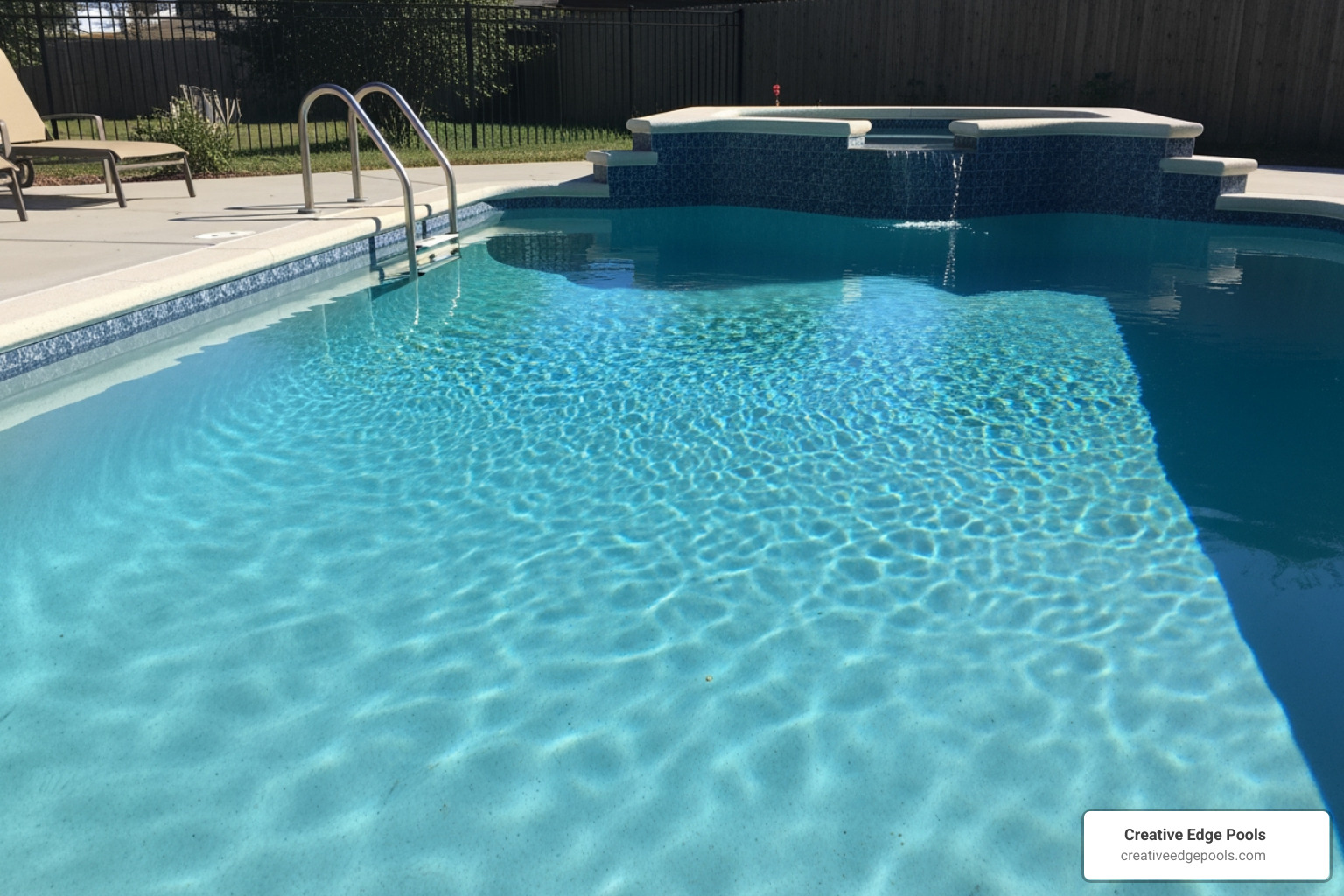
Imagine a pool with a “Tahoe Blue” quartz finish—it creates a medium blue water color that evokes a tranquil, inviting lagoon. The careful blend of pigmented cement, natural quartz aggregates, and often, specific colored quartz highlights (like Cobalt Blue and Black T-Grade) allows for incredible customization. This helps improve depth perception, adding to the overall visual appeal of your aquatic playground.
Customizing the Water Color of a Quartz Pool Finish
The ability to customize your pool’s water color is a major advantage of a Quartz pool finish. The final water appearance is a beautiful interplay between the finish color, the depth of the pool, and even the surrounding environment. For instance, a finish like “Tahoe Blue” in a QuartzScapes Regular Series, comprised of blue/gray pigmented white Portland cement, natural quartz aggregates, and specific colored quartz highlights, results in a captivating medium blue water color.
Beyond specific named colors, the embedded reflective crystals create a dynamic visual effect, shimmering in the sunlight and giving your pool an almost magical quality. Many systems also offer optional quartz accents, allowing us to deepen the water color slightly or add extra visual distinction without altering the surface texture. This means we can achieve rich and diverse water tones, making your pool a unique reflection of your personal style. Whether you envision a deep lagoon, a vibrant tropical paradise, or a serene oasis, a quartz finish provides the palette to bring that vision to life.
Texture and Slip Resistance
Beyond its dazzling looks, the texture of a Quartz pool finish offers a unique balance of comfort and safety. Many homeowners worry about the rough texture associated with some pebble finishes, which can sometimes feel abrasive on bare skin. Quartz finishes, however, are known for providing a smooth, yet remarkably slip-resistant pool surface.
This moderate slip resistance is a significant advantage, especially for families with children or anyone who values safety around the pool. The textured surface provides better grip than smooth plaster, helping to prevent slips and falls. For example, some quartz finishes have shown impressive Wet Dynamic Coefficient of Friction (DCOF) test results, such as 0.70 for Ivory QuartzScapes Natural Quartz, indicating excellent slip resistance.
This means you can enjoy a comfortable footing without sacrificing safety. The non-abrasive nature of a quartz finish ensures that while it provides crucial grip, it remains gentle on your feet, making it an ideal choice for sun shelves, steps, and the entire pool interior.
Maintenance, Installation, and Care
Proper maintenance and installation are crucial for maximizing the lifespan and beauty of any pool finish, and a Quartz pool finish is no exception. While quartz is highly durable and stain-resistant, consistent care is key to its longevity.
The most important aspect of maintenance is diligently balancing your pool’s water chemistry. Proper water chemistry is the “diet plan” for your pool, preventing issues like staining, scaling, and etching that can prematurely age any finish. We always recommend adhering to National Plasterers Council (NPC) guidelines for start-up and ongoing water chemistry. Regular brushing of the pool surface with a medium-bristle brush is also advised to prevent the buildup of scale and debris. Although quartz is stain-resistant, prompt treatment of any potential stains and regular cleaning will keep your finish looking pristine. Unlike plaster, quartz is less susceptible to damage from acid washing, but it should still be done carefully and only when necessary.
The Installation Process
The installation of a Quartz pool finish is a specialized process that differs significantly from simply applying plaster. It requires precision and expertise to ensure a beautiful, long-lasting result. Here’s a general overview of the steps involved:
- Surface Preparation: The pool shell must be thoroughly cleaned, free of oil, dirt, algae, and any foreign substances. Old paints or sealers may need to be removed by acid washing or sandblasting, followed by neutralization and thorough rinsing. Undercutting around tiles, returns, and lights, and repairing any leaks, are also critical preparatory steps.
- Mixing: The quartz aggregate blend is mixed with white Portland cement, water, and specialized admixtures like pozzolans and polymers. Achieving the correct water-to-cement ratio is vital for strength and crack prevention.
- Application: The mixture is applied evenly to the pool shell, typically at a thickness of 3/8” to 1/2”. The shell is often misted prior to and during application to keep it moist.
- Hard Troweling: This is a critical step where the material is compacted and smoothed. Hard troweling helps to drive larger aggregates down, bring smaller aggregates up, reduce surface water, and ensure the finish is dense and durable.
- Exposure Steps: To reveal the vibrant quartz crystals, a multi-step exposure process is often employed. This can involve:
- Removing excess cement paste (“cement fat”).
- Buffing the surface with a dry rag.
- Acid washing (usually after at least 4 hours of hardening) to etch away a thin layer of cement and expose the quartz.
- Pressure washing to thoroughly rinse the surface.
- Rapid Filling: Once the finish is exposed and rinsed, the pool must be filled rapidly and without interruption. Using a sock or floating device for the fill hose helps prevent marks and streaking on the new surface.
- Curing and Initial Water Chemistry: The new finish needs to cure properly. During this time, constant monitoring and adjustment of water chemistry are mandatory, following NPC guidelines, to prevent staining, scaling, and discoloration.
While the process is intricate, the result is a superior pool finish. For those of us working in Eastern MA and Southern NH, we also pay close attention to cold weather installation considerations, ensuring ambient temperatures are suitable and the new finish is protected from freezing for the first 48 hours.
Factors for Homeowner Decision Making
Choosing the right pool finish is a deeply personal decision, influenced by several key factors that we discuss with our clients in Eastern MA and Southern NH. When considering a Quartz pool finish, we encourage homeowners to think about:
- Regional Climate: Our New England climate experiences significant temperature fluctuations, including freezing winters. Quartz finishes, with their improved durability and proper installation techniques, are well-suited to withstand freeze-thaw cycles, unlike less resilient finishes. In hot climates, their UV stability ensures color retention.
- Usage Patterns: How will your family use the pool? If you have young children or frequently entertain, the smooth yet slip-resistant texture of quartz offers a safe and comfortable surface. Its durability also stands up well to high-traffic areas.
- Aesthetic Goals: Do you envision a modern, sparkling pool with vibrant water tones? Quartz excels here, offering a wide array of colors and a luminous quality that can transform your backyard.
- Budget vs. Long-Term Value: While quartz has a higher upfront cost than plaster, its extended lifespan and reduced maintenance needs often make it a more cost-effective choice over the life of the pool.
- Maintenance Willingness: While quartz is stain-resistant and easier to maintain than plaster, it still requires proper water chemistry management and regular cleaning.
- Professional Certification: The quality of installation significantly impacts the finish’s longevity. Opting for a company like Creative Edge Pools, with over 100 years of combined experience and a focus on expert craftsmanship, ensures your quartz finish is installed to the highest standards, sometimes even qualifying for extended warranties with certified applicators.
By carefully considering these factors, we can help you determine if a quartz finish is the ideal choice to bring your pool vision to life.
Frequently Asked Questions about Pool Finishes
How long does a quartz finish typically last?
A Quartz pool finish is designed for impressive longevity. With proper installation and consistent water chemistry maintenance, it typically lasts between 12 to 18 years. This is significantly longer than traditional plaster, which usually requires resurfacing every 5-10 years. Our experience confirms that a well-maintained quartz finish can easily exceed a decade of beautiful service.
Is quartz smoother than a pebble pool finish?
Yes, generally, a Quartz pool finish is smoother than a pebble pool finish. While pebble finishes offer excellent durability and a natural aesthetic, their exposed aggregate can feel quite textured or even rough on bare skin for some swimmers. Quartz finishes, on the other hand, provide a surface that is smooth to the touch yet still offers good slip resistance, making them a comfortable and safe option for many homeowners.
Does quartz resist staining better than traditional plaster?
Absolutely. A Quartz pool finish offers superior stain resistance compared to traditional plaster. The quartz aggregates are typically ceramic-coated and non-porous, meaning they are much less likely to absorb stains from metals, organic materials, or chemical imbalances in the water. Traditional plaster, being more porous, is highly susceptible to staining and etching, requiring more diligent and frequent maintenance to prevent discoloration. Quartz’s inherent properties make it a much more resilient choice against common pool stains.
Conclusion
Choosing the right finish for your pool is a pivotal decision that impacts its beauty, durability, and your long-term enjoyment. A Quartz pool finish stands out as an exceptional option, offering a compelling blend of strength, aesthetic versatility, and cost-effectiveness that positions it as a superior choice over traditional plaster and a competitive alternative to pebble finishes. With its extended lifespan, vibrant color options, and comfortable yet slip-resistant texture, quartz transforms your pool into a truly luxurious and lasting oasis.
As a family-owned business with over 100 years of combined experience, Creative Edge Pools specializes in designing, installing, and renovating gunite pools and spas throughout Eastern MA and Southern NH. We are dedicated to bringing homeowner visions to life, ensuring that every detail, including your chosen pool finish, reflects our commitment to quality and craftsmanship. If you’re considering a pool renovation or a new build, we invite you to explore the lasting beauty and performance of a quartz finish.
Ready to dive into the possibilities for your backyard? Let us help you select the perfect finish for your pool. Find More info about gunite pool renovations or contact us today to discuss how we can create the pool of your dreams.