Remove Phosphates from Swimming Pool: Top Guide 2024
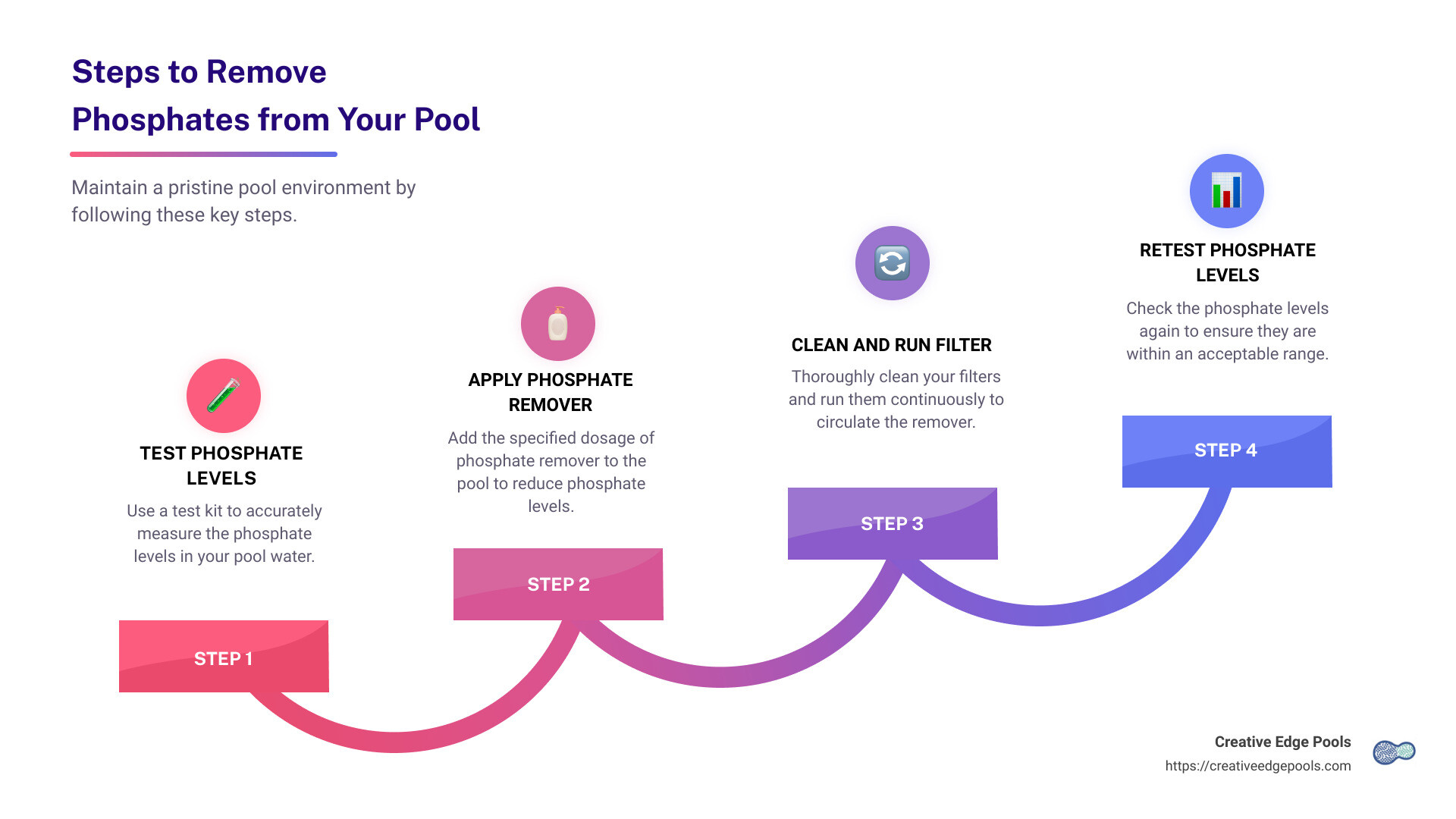
To remove phosphates from swimming pool, focus on these crucial steps: test the phosphate levels, apply a phosphate remover, keep your pool clean, and ensure your filters are running smoothly. By taking these actions, you can maintain a pristine pool environment, free from the pesky algae that thrive on phosphates. Removing phosphates isn’t just a one-time task, but a key practice in your regular pool maintenance routine.
Phosphtes in pool water can be a hidden nuisance causing algae blooms and making maintenance challenging. As tiny particles, phosphates enter through rainwater, plant debris, and even dead skin cells, feeding algae and clouding the water. But fear not! With the right approach, you can keep your pool crystal clear and prevent algae from taking over. A clean pool is more than just removing phosphates—it’s about consistent, vigilant care.
I’m David Brabant, with 30 years in pool installation and maintenance, and I’m here to guide you through how to remove phosphates from swimming pool effectively. This process not only protects your pool from algae but ensures an inviting oasis for you and your family.
What Are Phosphates and Why Are They in Your Pool?
Phosphates are chemical compounds containing phosphorus, a naturally occurring element. In your pool, phosphates act as a nutrient source for algae, making it vital to manage their levels to prevent algae growth. But how do these phosphates end up in your pool?
Sources of Phosphates
Phosphates can sneak into your pool from various sources, often without you even realizing it. Here’s a quick rundown of common phosphate sources:
- Garden Products: Fertilizers and other garden products often contain phosphorus. When these products are used near your pool, they can easily be washed in by rain or sprinkler runoff.
- Plant Debris: Leaves, twigs, and bark from surrounding trees and shrubs can introduce phosphates as they decompose in your pool. Regular skimming and cleaning can help reduce this source.
- Rain and Wind: Rainwater can carry phosphates from the air and nearby surfaces into your pool. Wind can also blow in dust and debris, which may contain phosphates.
- Human Contributions: Dead skin cells, body fats, oils, soaps, and hair treatments from swimmers can all add phosphates to your pool water. Encouraging swimmers to rinse off before entering can help minimize this.
- Sprinkler Runoff: Water from your garden sprinklers can carry phosphates from fertilizers and other sources directly into your pool.
By understanding these sources, you can take proactive steps to remove phosphates from your swimming pool and maintain a healthier, algae-free environment. Regular pool maintenance and cleaning are crucial to managing phosphate levels and ensuring your pool remains a sparkling oasis.
The Impact of Phosphates on Pool Water
Phosphates may seem harmless, but they can have a significant impact on your pool water. When phosphates are present, they act as a nutrient source that helps algae thrive. This can lead to a series of issues that affect the quality and enjoyment of your pool.
How Phosphates Affect Algae Growth
Algae Blooms: Algae love phosphates. When these compounds are abundant, algae can grow rapidly, leading to what is known as an algae bloom. This is not just an aesthetic issue; it can turn your pool water green and murky, making it uninviting and unpleasant to swim in.
Chlorine Demand: High phosphate levels increase the demand for chlorine. Chlorine is your primary defense against algae, but when phosphates are present, algae consume more of this chemical. This means you’ll need to use more chlorine to maintain the same level of sanitation, which can be costly and time-consuming.
Cloudy Water: When algae start to take over, they can make the water cloudy. This is not just unsightly but also a sign that your pool’s chemistry is out of balance. Cloudy water can indicate that your pool is struggling to cope with the algae growth fueled by phosphates.
Chlorine Levels and Algae Control: To control algae, maintaining proper chlorine levels is crucial. However, with high phosphate levels, your chlorine has to work overtime. This can lead to fluctuating chlorine levels, making it harder to keep your pool clear and safe for swimming.
Algae Growth: Phosphates provide the nutrients that algae need to grow. By removing phosphates, you cut off this nutrient supply, making it much harder for algae to thrive. This is why removing phosphates is an essential part of algae control and prevention.
Understanding the impact of phosphates on your pool water is crucial for maintaining a clean and healthy swimming environment. By managing phosphate levels, you can reduce algae growth, keep your chlorine usage efficient, and ensure your pool remains a sparkling oasis.
How to Remove Phosphates from Swimming Pool
Step-by-Step Guide to Phosphate Removal
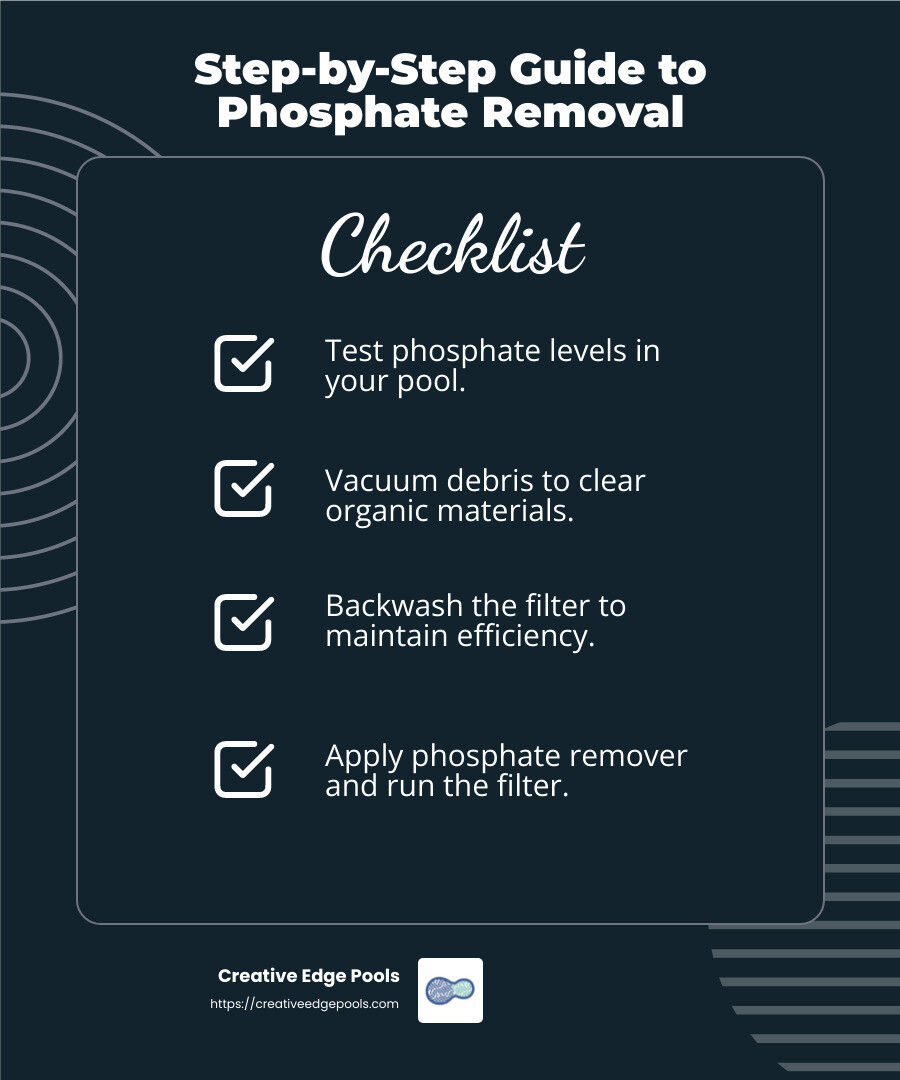
Removing phosphates from your swimming pool is a straightforward process, but it requires attention to detail. Here’s a simple step-by-step guide to help you keep your pool crystal clear:
- Test Phosphate Levels
Start by testing your pool’s phosphate levels. Use a test kit specifically designed for this purpose. This will give you a baseline to understand how much phosphate is present.
- Vacuum Debris
Before applying any chemicals, vacuum your pool to remove leaves, dirt, and other debris. This helps prevent additional phosphates from entering the water and ensures the pool is clean before treatment.
- Backwash Filter
Backwashing your pool filter is essential to remove any trapped debris and ensure it operates efficiently. If you have a cartridge filter, make sure to clean it thoroughly.
- Apply Phosphate Remover
Follow the dosage rate specified on the phosphate remover product. Typically, you’ll need to add the remover to the skimmer or directly into the pool. This product will bind with the phosphates, allowing them to be filtered out.
- Run Filter
Keep your pool’s filter running for at least 48 hours after applying the phosphate remover. This continuous filtration helps to capture and remove the phosphates from the water.
- Retest Phosphate Levels
After the filter has run for the recommended time, retest the phosphate levels. If they are still high, you may need to repeat the process or adjust the dosage.
By following these steps, you can effectively remove phosphates from your swimming pool water, ensuring a healthier and more inviting swimming environment. Regular monitoring and maintenance are key to keeping phosphates at bay and preventing algae growth.
Phosphate Removers vs. Algaecides
When it comes to maintaining a clean and algae-free pool, understanding the difference between phosphate removers and algaecides is crucial. Both serve unique purposes in pool care, and knowing when to use each can make a significant difference in your pool’s health.
When to Use Phosphate Removers
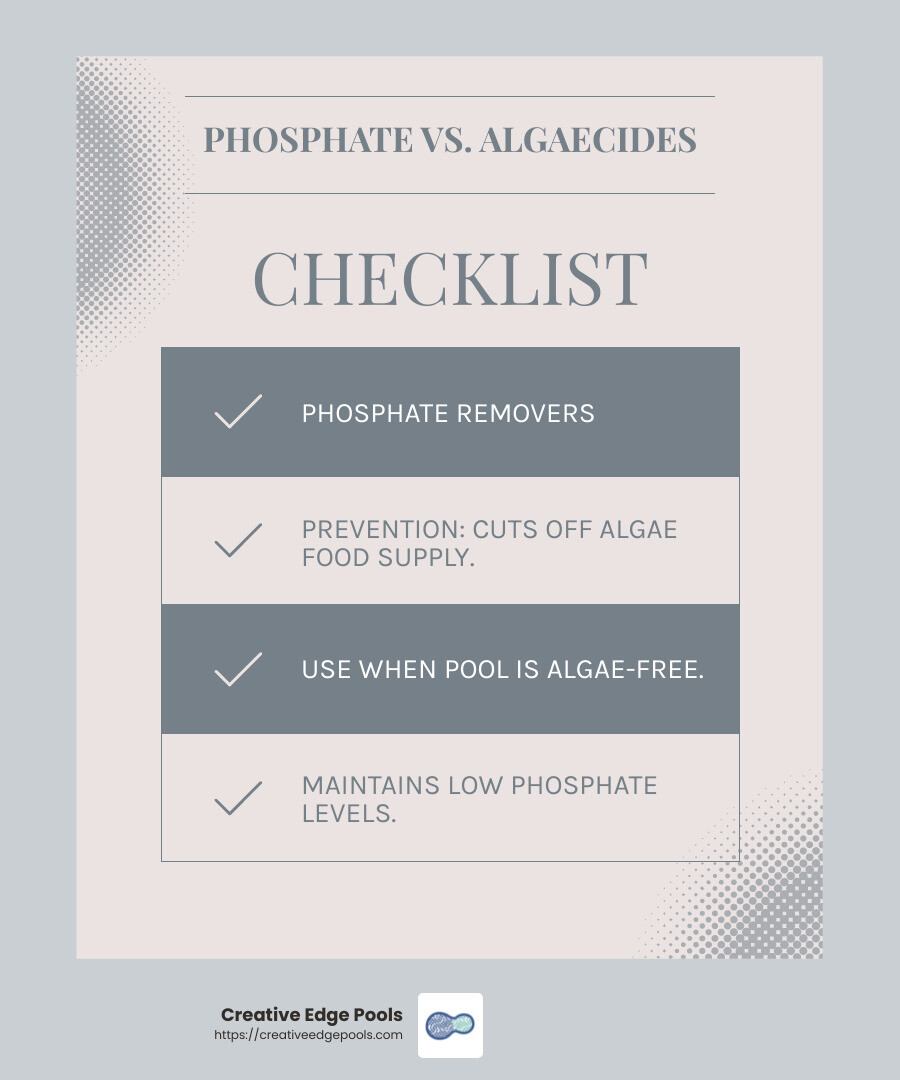
Phosphate removers are primarily used for prevention. They help keep your pool algae-free by eliminating phosphates, which are a key nutrient source for algae. If your pool water tests show high phosphate levels but no visible algae, it’s a good time to use a phosphate remover.
Here’s why:
- Prevention: By removing phosphates, you cut off the food supply for algae, making it harder for them to grow.
- Algae-Free Pools: Regular use of phosphate removers can maintain low phosphate levels, reducing the need for frequent algae treatments.
- Correct Usage: It’s important to apply phosphate removers when your pool is already algae-free. This ensures accurate phosphate readings and effective treatment.
When to Use Algaecides
Algaecides, on the other hand, are used for algae treatment. If you notice a green pool or black spot algae, it’s time to reach for an algaecide.
- Algae Treatment: Algaecides are designed to kill existing algae. They work by disrupting algae cells, preventing them from multiplying.
- Green Pool: If your pool turns green, it indicates an active algae bloom. An algaecide will help clear this up quickly.
- Black Spot Algae: Tougher algae strains, like black spot algae, require targeted algaecides for effective removal.
In summary, use phosphate removers to prevent algae growth by eliminating their nutrient source, and turn to algaecides when you need to treat visible algae in your pool. Balancing both methods will help maintain a healthy pool environment and ensure clear waters ahead.
Best Practices for Maintaining a Phosphate-Free Pool
Keeping your pool free of phosphates is a cornerstone of maintaining a sparkling, algae-free oasis. Regular maintenance and proper sanitation are key to achieving this goal. Let’s dive into some best practices.
Regular Pool Maintenance Tips
- Balanced Water Chemistry
Regularly test your pool water to ensure it remains balanced. Aim for a pH level between 7.2 and 7.6, and keep chlorine levels adequate to prevent algae growth. Balanced water chemistry helps reduce the risk of high phosphate levels and keeps your pool healthy. - Consistent Cleaning Routine
Remove leaves, twigs, and other organic material from your pool as soon as possible. Organic debris can break down and introduce phosphates into the water, fueling algae growth. Skim the surface daily and vacuum the pool floor regularly to keep it debris-free. - Effective Filtration
Run your pool filter for at least 8-12 hours a day, especially during the swimming season. This helps circulate and clean the water, reducing the chance of phosphate accumulation. Backwash your filter regularly to ensure it operates efficiently. - Proper Sanitation
Ensure your pool’s sanitizer levels are maintained. Chlorine is essential for killing bacteria and controlling algae. Regularly shock your pool to break down contaminants that can lead to phosphate buildup. - Chemical Monitoring
Keep an eye on the chemical levels in your pool. Use a reliable test kit to measure phosphate levels and other important parameters. Adjust as necessary to maintain optimal conditions. - Filter and Equipment Maintenance
Clean your pool filters and pump baskets regularly. Clogged filters can reduce circulation and filtration efficiency, leading to phosphate buildup. If your filter is small or ineffective, consider using a clarifier to improve its performance.
By following these simple practices, you can effectively remove phosphates from your swimming pool and prevent algae blooms. Regular maintenance not only saves you time and money in the long run but also ensures your pool remains a safe and inviting place for family and friends.
Next, we’ll address some frequently asked questions about removing phosphates from your pool.
Frequently Asked Questions about Removing Phosphates from Swimming Pool
Is high phosphate in pool dangerous?
High phosphate levels in your pool aren’t directly harmful to swimmers. However, they can lead to problems like algae blooms and increased chlorine demand. Phosphates serve as a nutrient source for algae, which can quickly turn your pool water green and cloudy. While phosphates themselves aren’t a health risk, the algae they promote can make your pool less inviting and more challenging to maintain.
How to use phosphate remover in pool?
Using a phosphate remover is straightforward. Here’s a simple guide:
- Test Phosphate Levels
Start by using a test kit to determine the current phosphate levels in your pool. - Clean the Pool
Vacuum any debris and backwash your filter to ensure it’s clean before treatment. - Apply Phosphate Remover
Follow the dosage instructions on the product label. Typically, you’ll add the phosphate remover to your pool’s skimmer or directly into the pool water. - Run the Filter
Allow the pool filter to run continuously for at least 48 hours to circulate the remover and effectively reduce phosphate levels. - Retest Phosphate Levels
After treatment, retest the phosphate levels to ensure they have decreased. If necessary, repeat the process.
By following these steps, you can effectively remove phosphates from your swimming pool and maintain a healthier, clearer pool environment.
How soon can you swim after adding phosphate remover?
Most phosphate removers are safe for swimming shortly after application. However, it’s a good practice to wait until the product has circulated through the pool for a few hours. Always check the manufacturer’s instructions for specific guidance on swimming safety after treatment. Typically, once the pool water is clear and the filtration process is complete, it’s safe to enjoy a swim.
Conclusion
At Creative Edge Pools, we know that maintaining a pristine swimming pool is as much about prevention as it is about design. We specialize in creating custom gunite swimming pools that not only lift your backyard’s aesthetic but are also easier to maintain. Our comprehensive backyard development service ensures that every aspect of your outdoor space, from landscaping to masonry, complements your vision and lifestyle.
Why Choose Creative Edge Pools?
Our family-owned business is rooted in Eastern Massachusetts and Southern New Hampshire, where we bring over a hundred years of combined experience to every project. We focus on crafting outdoor environments that you and your family will cherish for years. From the initial design to the final touches, we handle everything to transform your backyard into a personal oasis.
Whether you’re looking to install a new pool or need help with ongoing maintenance, our team is here to support you. We offer solutions that make pool care straightforward, like effective methods to remove phosphates from swimming pools. By integrating features such as landscaping and masonry, we ensure your pool not only looks good but also remains functional and easy to maintain.
If you’re considering enhancing your outdoor space, don’t hesitate to reach out. We invite you to learn more about our swimming pool removal services and find how we can help bring your backyard dreams to life.
Transform your outdoor space with Creative Edge Pools—where your vision becomes reality.