
Pool Plaster Finish Options: 4 Perfect Styles
Your Pool’s Interior is More Than Just a Surface
Pool plaster finish options range from classic white plaster to dazzling aggregate and polished finishes, each offering different benefits for durability, aesthetics, and cost. The finish you choose determines your pool’s water color, texture, and how long it will last.
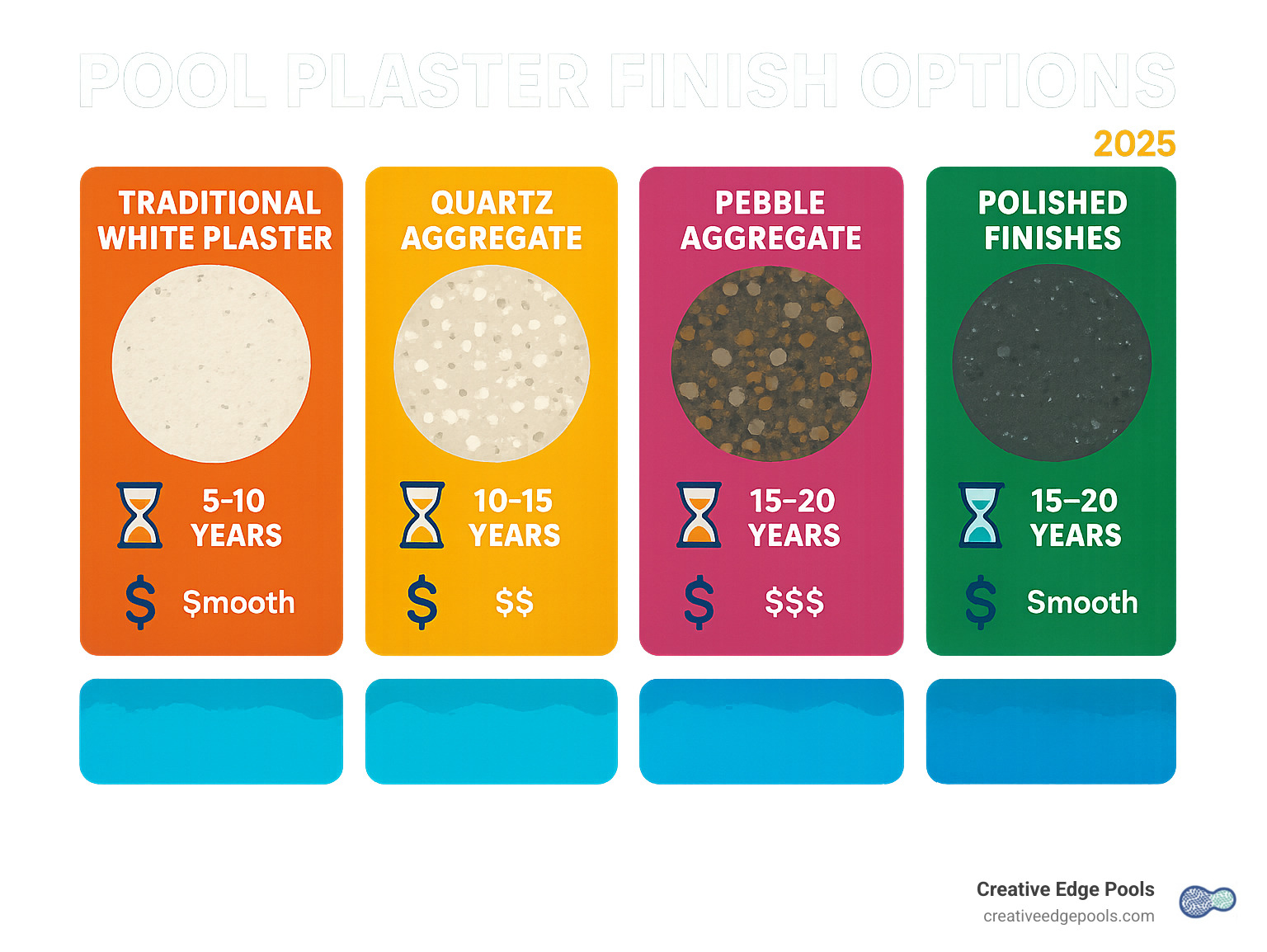
The main pool plaster finish options include:
- Traditional White Plaster – Classic, smooth, most affordable (5-15 year lifespan)
- Quartz Aggregate – Durable with sparkle, mid-range cost (10-15+ years)
- Pebble Aggregate – Natural look, most durable cement finish (15+ years)
- Polished Finishes – Ultra-smooth marble blend, premium option (10+ years)
Your pool’s plaster is the waterproof barrier protecting the concrete shell, but it also creates the water’s color and the surface’s texture. This choice impacts your initial investment and long-term maintenance. While white plaster is cheaper upfront, it may need replacement sooner than aggregate finishes, which can last for decades with proper care.
I’m David Brabant, owner of Creative Edge Pools. With thirty years in the industry, I’ve seen how the right pool plaster finish options can transform a backyard. Choosing the perfect plaster is one of the most critical decisions in your pool project.
A Deep Dive into Pool Plaster Finish Options
Let’s dive deeper into what makes each of these pool plaster finish options unique. Understanding their composition and installation process can make your decision much clearer. The installation process varies for each type. Traditional plaster is troweled smooth. For aggregate finishes, materials like quartz or pebbles are mixed into the plaster, then exposed after application to reveal their texture and color. Polished finishes involve applying a marble-based mix and then polishing the surface to a high shine, which removes the reactive top layer and increases durability.
Your finish choice dramatically affects your water color. White plaster creates a classic sky-blue, but darker aggregate finishes open up a world of possibilities, from deep Caribbean blues to natural lagoon greens. The interplay between sunlight, water depth, and your chosen finish creates a unique look.
| Finish Type | Lifespan (Avg.) | Cost (Relative) | Texture | Durability | Water Color Impact |
|---|---|---|---|---|---|
| White Plaster | 5-15 years | Most Affordable | Smooth, Silky | Weakest | Sky blue, classic look |
| Quartz Aggregate | 10-15+ years | Mid-Range | Slightly Textured | Stronger | Vibrant blues, greens, custom hues, sparkles |
| Pebble Aggregate | 15+ years | Premium | Textured (tumbled) | Most Durable | Natural lagoon, ocean hues, variegated |
| Polished Finishes | 10+ years | Premium | Ultra-Smooth | Very Durable | Rich, consistent, often deep or iridescent |
Aggregate finishes combine beauty with durability. The hard quartz or pebbles protect the underlying plaster, making these finishes more forgiving if your water chemistry isn’t always perfect.
Traditional Plaster: The Timeless Classic
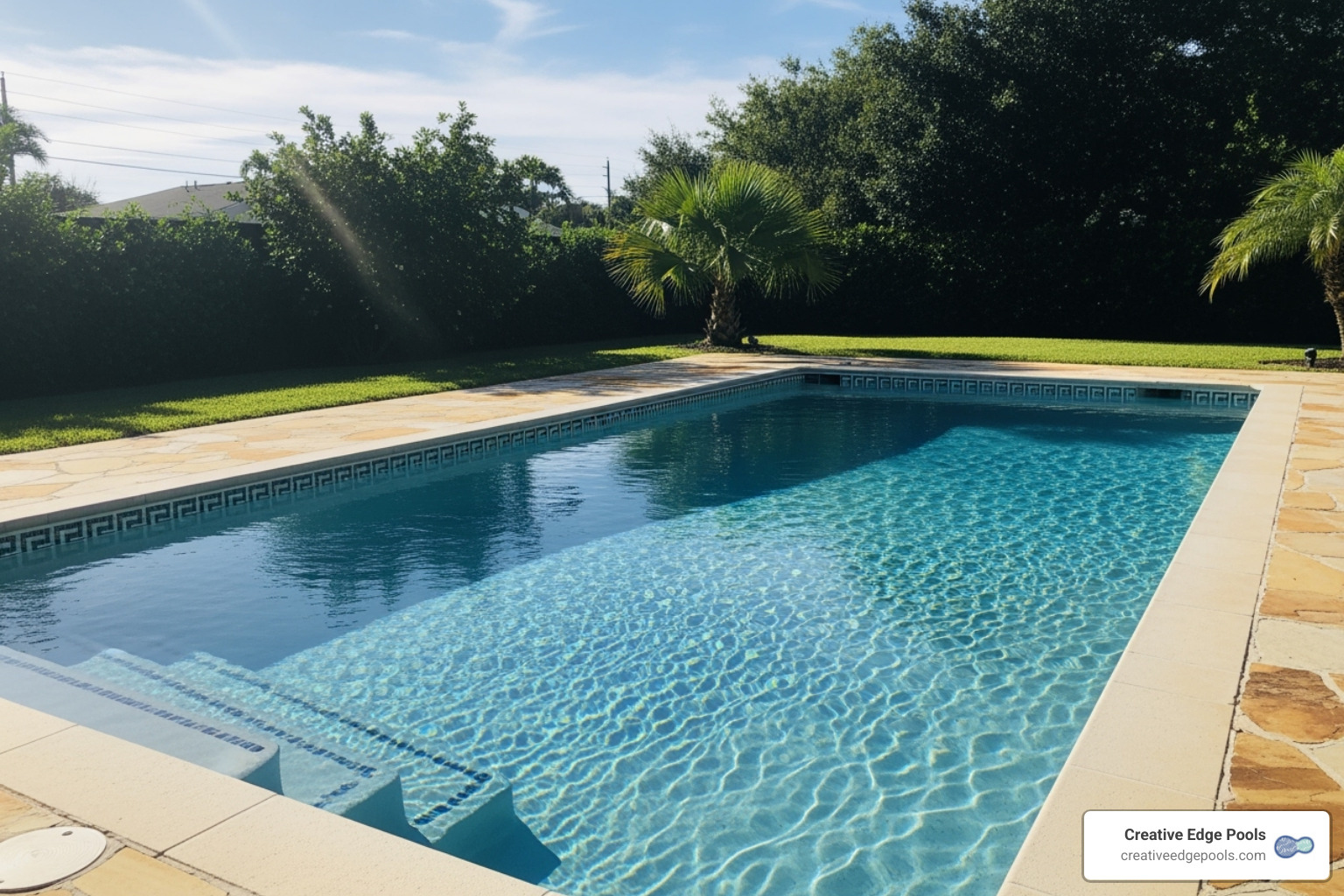
Traditional white plaster offers a classic, nostalgic look. It’s a simple mix of white Portland cement mixed with marble dust and water, troweled onto the gunite shell for a silky-smooth surface. Among all pool plaster finish options, it’s the most budget-friendly choice.
While beautiful, white plaster requires diligent care. It typically lasts 5 to 15 years, the shortest lifespan of the common finishes. The marble dust in the mix makes it the most susceptible to staining and chemical damage. Unbalanced water chemistry can cause etching, staining, and blotchiness. Therefore, maintaining proper water chemistry is crucial. Consistent monitoring of pH, alkalinity, and sanitizer levels is necessary to keep it looking pristine.
For any signs of wear or issues with your gunite pool, timely attention can prevent bigger problems. You can find More info about Gunite Pool Repair on our site.
Aggregate Finishes: Durability Meets Design
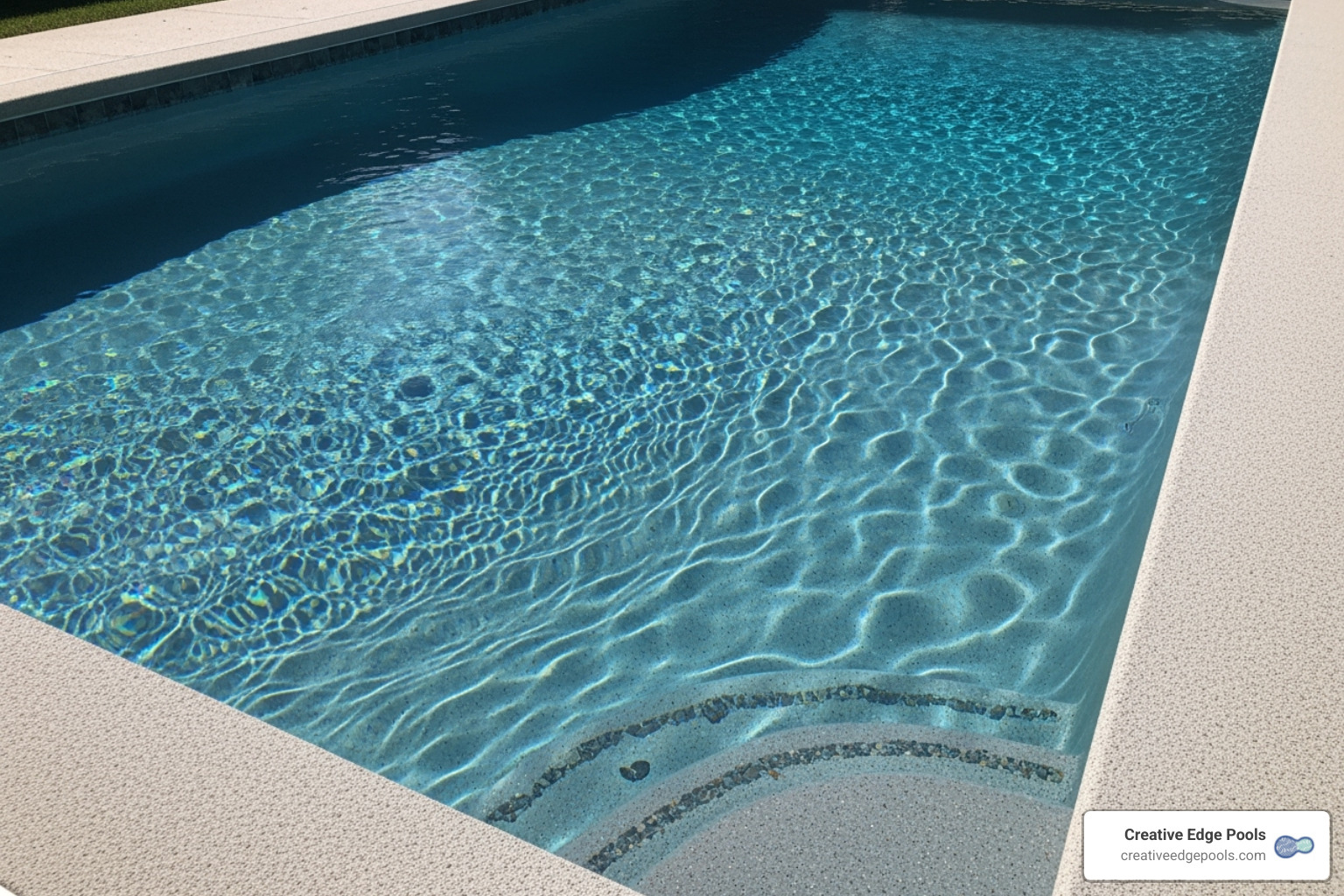
Aggregate finishes blend cement with hard materials like quartz crystals, natural pebbles, or glass beads. This combination creates a surface that is both stunning and durable. These finishes are known for their longevity, lasting 10 to 15+ years, with pebble options often lasting even longer. While the upfront cost is higher, their extended lifespan and improved stain resistance offer great long-term value.
- Quartz aggregate finishes offer a balance of durability and sparkle. The hard quartz is highly resistant to staining and etching, and it creates a shimmering effect in the water.
- Pebble aggregate finishes use small, tumbled river stones for a natural, resort-like feel. The texture provides excellent slip resistance, and these finishes are incredibly durable, often lasting over 20 years. They create deep, natural water colors.
- Glass bead aggregates are a premium option, incorporating tiny, smooth glass beads for a mesmerizing shimmer and a unique “wow factor.”
The hard aggregates create a protective barrier that’s much more forgiving than traditional plaster if pool maintenance isn’t always perfect.
To see how these options can transform your pool, and for more details on resurfacing, you can Explore Pool Resurfacing Options on our website.
Polished Finishes: The Ultimate in Smoothness
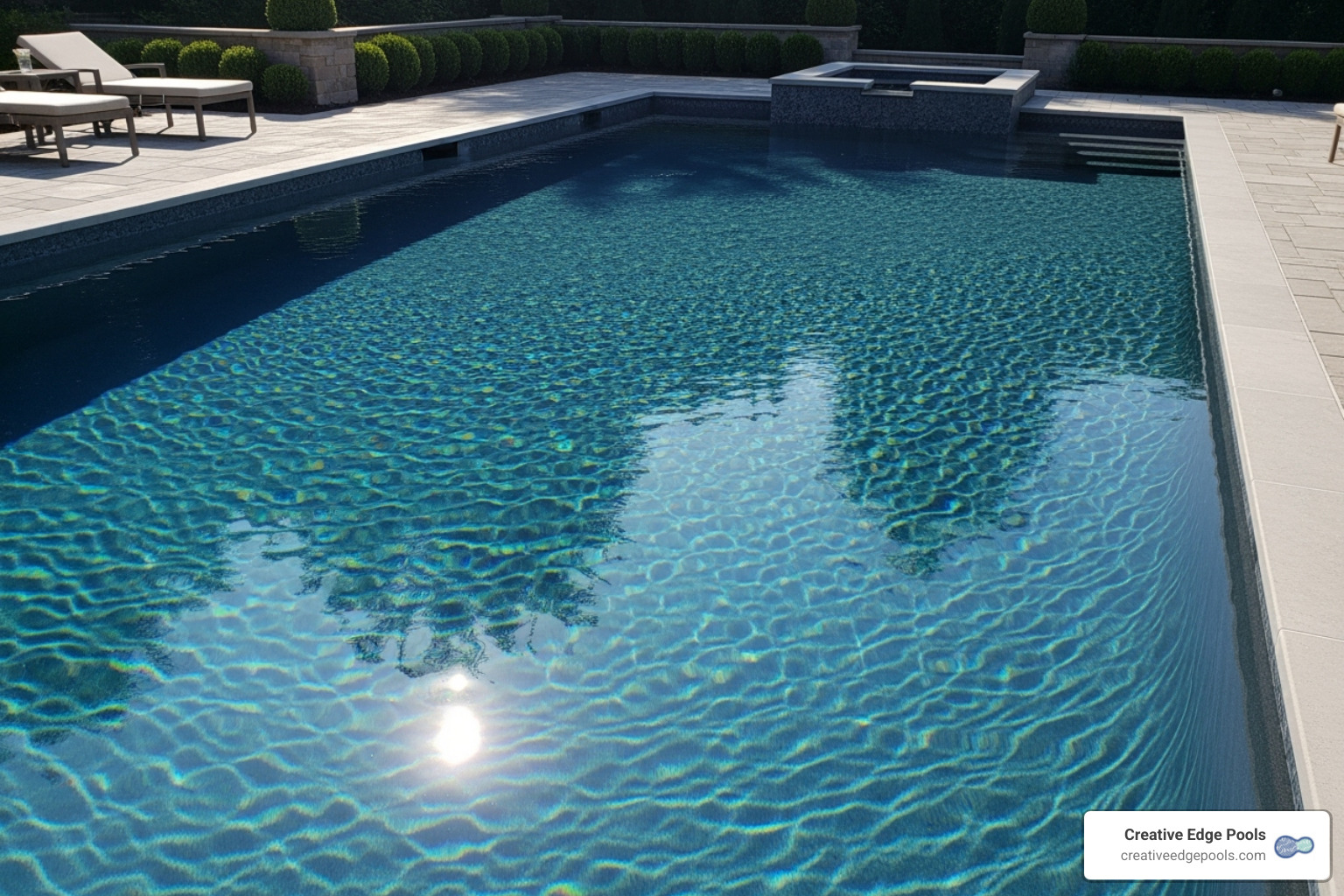
For the ultimate in luxury among pool plaster finish options, polished finishes are in a class of their own. These finishes use a marble-based composition with polymers. After application, the surface is mechanically polished to an ultra-smooth texture that feels like silk.
This polishing process removes the reactive top layer found on other finishes, resulting in an incredibly dense, non-porous surface that’s highly resistant to chemical imbalances and wear. The aesthetic is breathtaking, with a rich, variegated appearance that creates depth and movement in the water. Color palettes range from deep blues and grays to dramatic blacks.
Polished finishes are very durable, typically lasting 10+ years. Many can also be re-polished in the future to restore their smooth surface without a full replastering. While they are a premium investment, the luxurious feel and stunning look transform a backyard into a resort-like retreat.
If you’re considering a complete change or simply want to understand the process, you can Learn about resurfacing a gunite pool in detail with us.
Your Complete Guide to Selecting and Maintaining Your Finish
Choosing the right pool plaster finish options will impact your daily enjoyment for years. The right choice can create a backyard sanctuary, while the wrong one can lead to frustration. Here’s how to make the best decision and maintain your finish.
Key Factors for Choosing Your Pool Plaster Finish Options
When narrowing down your pool plaster finish options, consider these key factors:
- Budget vs. Longevity: Think beyond the initial price. White plaster is cheaper upfront but may require replastering sooner than more durable, costlier aggregate finishes, which often provide better long-term value.
- Desired Water Color: White plaster creates a classic sky-blue. For more dramatic or natural hues like deep blues or greens, you’ll need to explore aggregate or polished options. Darker finishes can also create a mirror-like effect.
- Texture Preference: Do you prefer a silky-smooth feel? Choose white plaster or polished finishes. For better grip, the slight texture of quartz is ideal. Pebble finishes offer the most texture for a natural, river-rock feel.
- Durability: For pools with heavy use, aggregate and polished finishes handle wear and tear better than traditional plaster. They are also more forgiving of occasional water chemistry imbalances.
- Modern Additives: Additives like pozzolans and polymers create denser, stronger plaster that resists etching and cracking. This translates to a longer-lasting finish that requires less maintenance.
Maintenance, Longevity, and Your Pool Plaster Finish Options
Even the highest-quality finish will fail prematurely without proper care. Meticulous maintenance is key to longevity, regardless of the material.
- Water Chemistry is Everything: Think of your finish like your skin; harsh chemicals cause damage. Imbalances in pH, calcium, and sanitizer can lead to irreversible etching, scaling, and staining. All finishes require consistent water testing, but white plaster is particularly sensitive.
- Brushing New Plaster: Brushing a new finish for the first few weeks is critical. This removes plaster dust that occurs during curing and prevents it from settling into a permanent haze on your surface.
- Preventing Stains and Scale: Remove leaves and organic debris quickly to prevent them from staining the surface. Address metal stains or calcium scale immediately to avoid permanent damage.
- Sunlight’s Effect: UV rays, combined with chemical interactions, can alter a finish’s appearance over time. Darker finishes also absorb more heat, potentially warming your water by 8-10 degrees.
If you’re dealing with more serious issues like structural concerns, our guide on gunite pool repair underwater covers specialized repair techniques.
When Is It Time to Replaster Your Pool?
Gradual deterioration can make it hard to know when to replaster, but these clear warning signs shouldn’t be ignored:
- Roughness or “Pool Toe”: If the surface feels like sandpaper, the protective layer is wearing away.
- Persistent Stains: Stains that don’t respond to cleaning indicate the plaster has become too porous and is absorbing the stains.
- Cracks and Delamination: While small hairline cracks can be normal, larger cracks or areas where plaster is flaking or bubbling away are serious. This means water may be getting behind the finish and damaging the pool’s shell.
- Gunite Showing Through: If you can see the gray concrete shell beneath the plaster, your waterproof barrier has failed. This requires immediate attention to prevent structural damage.
As specialists in gunite pool renovations, Creative Edge Pools can help you evaluate your current finish and choose the perfect replacement. Replastering isn’t just about beauty—it’s about protecting the substantial investment you’ve made in your backyard oasis. For ongoing tips and seasonal maintenance reminders, follow us on Facebook where we share practical advice.
