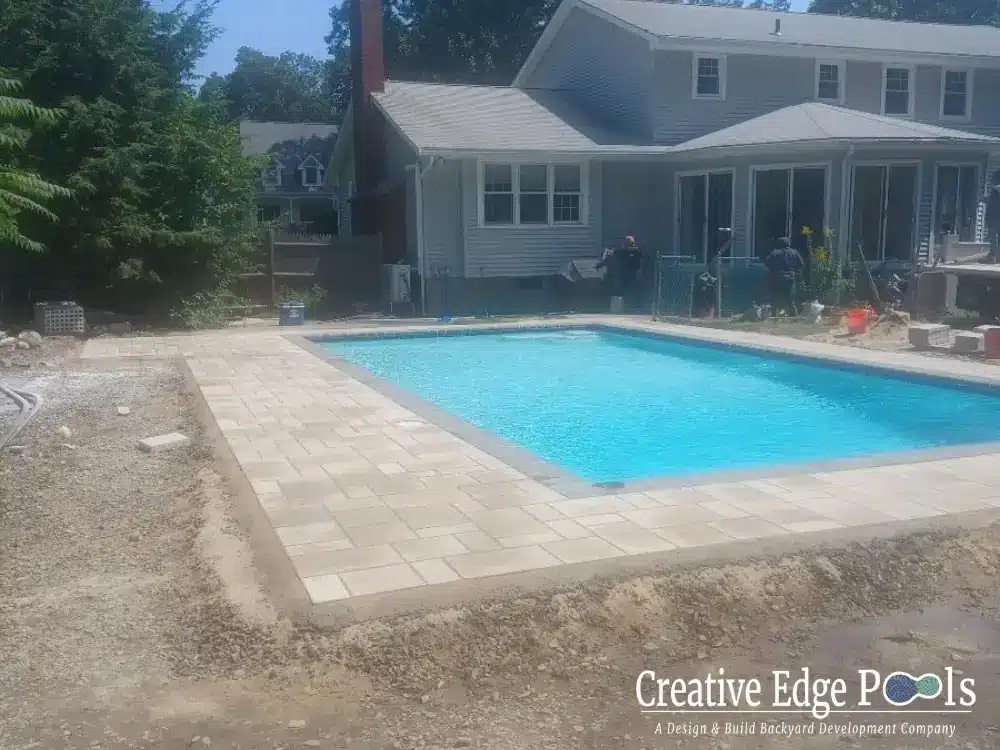
What Does a New Pool Cost in 2026? Here’s What to Expect
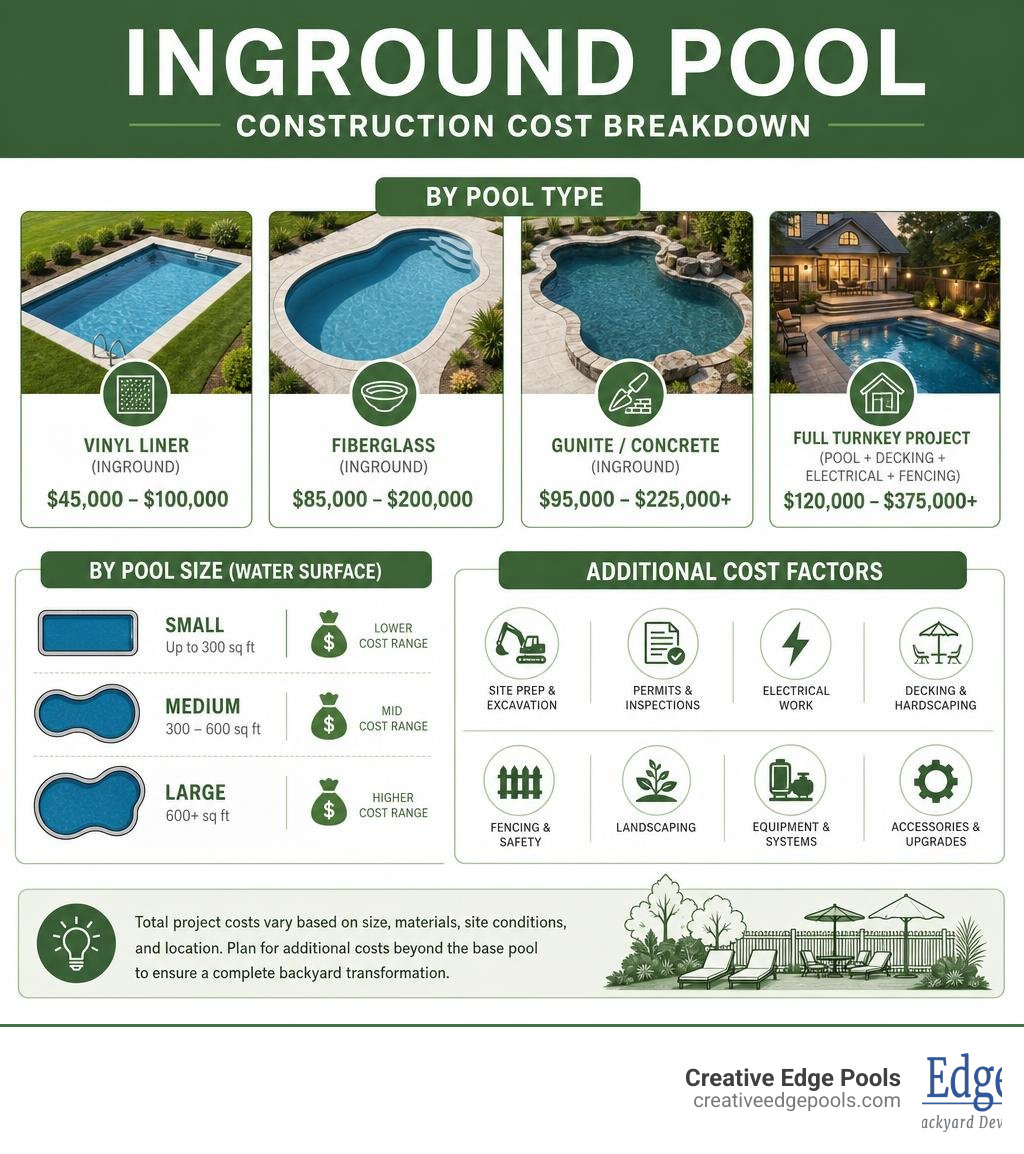
New pool construction cost in 2026 ranges widely depending on size, material, site conditions, and location. Here is a quick snapshot based on industry averages from publicly available data:
| Pool Type | Typical Installed Cost Range (2026) |
|---|---|
| Vinyl Liner (inground) | $45,000 – $100,000 |
| Fiberglass (inground) | $85,000 – $200,000 |
| Gunite / Concrete (inground) | $95,000 – $225,000+ |
| Full Turnkey Project (pool + decking + electrical + fencing) | $120,000 – $375,000+ |
Note: All prices above are industry averages sourced from publicly available online data. They are not the actual prices of Creative Edge Pools. Your project cost will depend on your specific site, design, and local conditions.
Building a backyard pool is one of the biggest investments a homeowner can make — and one of the most misunderstood when it comes to total project cost.
Most homeowners in areas like Portsmouth, NH, Wilmington, MA, and surrounding towns start by getting a base quote from a builder. That number looks reasonable. Then reality sets in.
Permits. Electrical. Decking. Fencing. Landscaping. These extras can add $25,000 to $50,000 or more on top of the base pool price — and they are rarely included in the first quote you receive.
That gap between the initial quote and the final bill is where most budget surprises live.
This guide breaks down everything you need to know — from base construction costs and site prep to long-term maintenance and financing — so you can plan your project with confidence and avoid the most common mistakes.
Quick New pool construction cost definitions:
- average cost of inground pool with hot tub
- Concrete pool installation cost
- Pool and spa installation
Average New Pool Construction Cost
When evaluating the overall budget for your backyard oasis, it is important to look beyond basic online quotes. For a premium, highly durable option like a custom gunite (pneumatically applied concrete) pool, the final price tag reflects the intensive on-site craftsmanship required.
To help you understand the market landscape, we have compiled a breakdown of average public pricing for custom gunite pool construction.
| Project Scope | National Public Average Cost | Wide Public Cost Range (Industry Variability) |
|---|---|---|
| Basic Gunite Shell & Equipment | $90,000 | $180,000 – $450,000 |
| Standard Gunite Pool & Patio | $120,000 | $240,000 – $600,000 |
| Luxury Gunite Pool, Spa & Hardscape | $180,000 | $360,000 – $900,000+ |
Pricing Disclaimer: All prices mentioned in this article are average costs sourced from publicly available internet data and are not the actual prices or rates of Creative Edge Pools. We provide these wide ranges to account for extreme industry variability, local labor rates, and unique site-specific conditions.
If you are trying to budget realistically, you can read dont get soaked understanding the average cost of a concrete inground pool to see how these numbers shake out. While prefabricated options like vinyl or fiberglass might seem simpler upfront, they lack the structural longevity and complete design freedom of concrete. For a deeper dive into these figures, check out our guide on More info about concrete pool costs and learn how to navigate various builder quotes.
When you weigh your options, you will find that a concrete shell offers unmatched customization. To see how these materials stack up over time, read our comparison on comparing the cost of gunite inground pools to other types of pools.
How Size and Shape Affect New Pool Construction Cost
It is a simple rule of thumb: larger pools require more materials, more excavation time, and more labor. However, pool volume is not the only pricing driver. The complexity of the pool’s shape plays a massive role in the final construction invoice.
A standard rectangular pool is the most cost-effective shape to build. It keeps excavation straightforward, simplifies the steel-reinforcement grid, and minimizes material waste. When you shift to freeform, lagoon, or Grecian designs, the labor hours spike. Curving steel rebars and hand-shaping pneumatically applied concrete requires highly skilled masonry work.
Additionally, depth impacts your structural engineering requirements. Digging deeper than the standard 5 feet requires reinforced pool walls to withstand the surrounding soil pressure, especially in areas with high water tables. To play around with different dimensions and see how they scale, you can use the Pool Cost Calculator 2026 — Estimate by Type, Size & State to estimate your baseline shell expenses.
Essential Site Preparation and Construction Cost Drivers
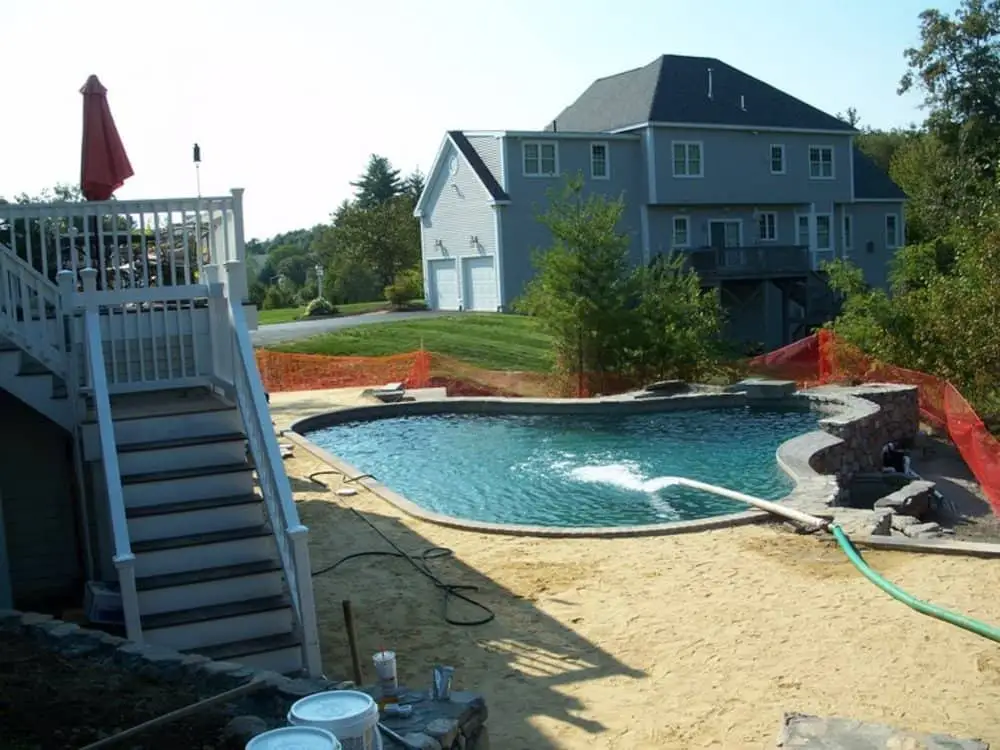
Before a single drop of concrete is sprayed, your backyard must undergo a major transformation. Site preparation is often where the most significant “hidden” costs emerge.
The primary factors that drive up excavation and site prep costs include:
- Soil Conditions: Rock, heavy clay, or loose sand can complicate the digging process. In many parts of New England, hitting solid ledge rock requires heavy equipment rentals, such as hydraulic hammers, which can add thousands to your budget.
- The New England Frost Line: In places like Andover, MA and Hampton, NH, our cold winters mean the ground freezes deep. Pools must be engineered to withstand freeze-thaw cycles. This requires robust gravel backfilling, proper drainage systems, and thicker steel reinforcement to prevent the shell from shifting or cracking.
- Access Constraints: If heavy machinery cannot easily drive into your backyard, builders may need to use smaller equipment (which takes longer) or crane-lift materials over your home, driving up labor costs.
To understand how these site variables impact your overall contract, read our detailed breakdown in More info about pool installation costs. You can also explore beyond the blogs the real average cost of inground pool installation to prepare yourself for the physical realities of backyard excavation.
Regional Pricing: New Pool Construction Cost in Massachusetts and New Hampshire
Where you live heavily dictates your New pool construction cost. In the Northeast, a combination of strict local building codes, high labor rates, and short building seasons makes pool construction more expensive than in southern states.
For example, homeowners in Portsmouth, NH, Exeter, NH, and Reading, MA must navigate complex local permitting processes. These often require land surveys, engineered runoff plans, and conservation committee approvals if your property is near wetlands.
- Permits and Engineering: Depending on your municipality, permits can range from $200 to over $2,000.
- Labor Rates: Skilled masonry, plumbing, and electrical labor in Eastern MA and Southern NH carry a premium, reflecting the high cost of living in these regions.
- Environmental Protections: Colder climates require specialized winterization equipment, freeze-protection plumbing, and rugged structural engineering.
To compare regional variables across the country and see why our local market carries these rates, check out the Pool Cost by State 2026 — All 50 States Compared | PriceAPool. For state-specific insights, you can also review swimming pools massachusetts – ecopool and swimming pools new hampshire – ecopool.
To get a clearer picture of regional pricing trends closer to home, read our localized guides on gunite pool cost massachusetts, inground pool cost mass, and how much is an inground pool in massachusetts.
Additional Backyard Development Costs Beyond the Pool Shell
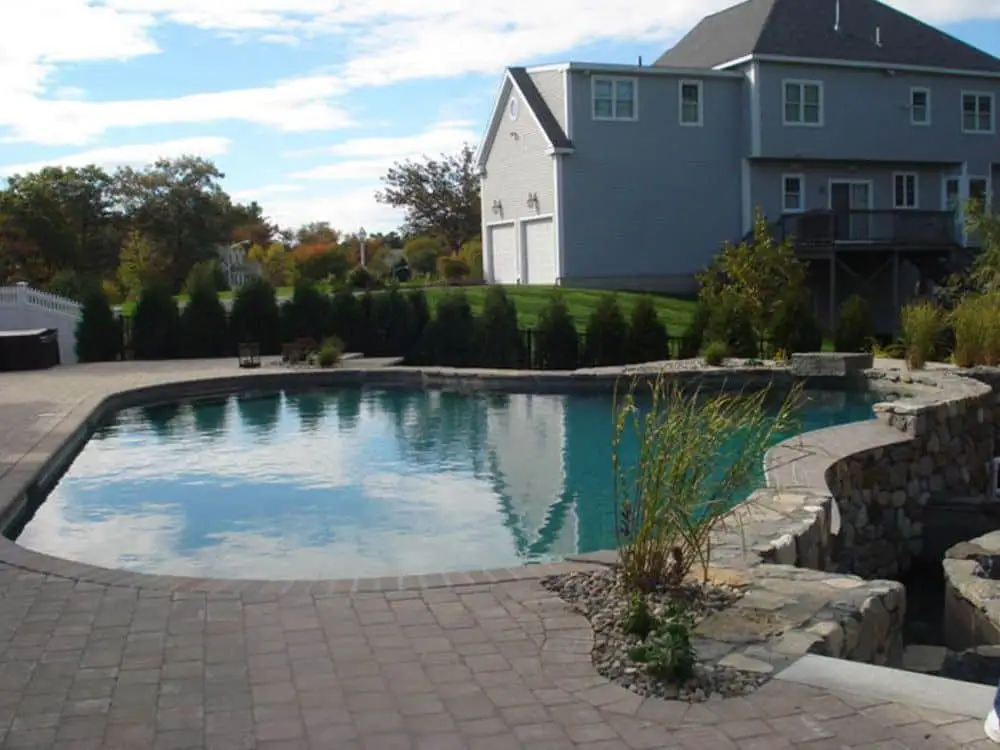
When budgeting, the pool shell is just one piece of a much larger puzzle. To create a functional, safe, and beautiful space, you must budget for the surrounding elements.
- Pool Decking and Patios: Your pool needs a surround. Whether you choose stamped concrete, natural stone pavers, or luxury travertine, decking typically costs between $10,000 and $25,000+ depending on the square footage.
- Safety Fencing: In both Massachusetts and New Hampshire, local building codes mandate secure, self-closing safety fences around pool perimeters. Depending on the material (aluminum, wood, or vinyl), fencing can add $2,000 to $10,000 to your project.
- Electrical Hookups: Running dedicated electrical lines from your home’s main panel to the pool pump, heater, and lighting systems requires a licensed electrician. This crucial step usually costs between $2,000 and $10,000.
- Landscaping and Masonry: Excavation will destroy your existing lawn. Rebuilding your yard with sod, retaining walls, planting beds, and custom stone steps is essential to complete the look.
If you are planning a comprehensive backyard renovation in towns like Wilmington, MA, working with an experienced full service pool contractor | amesbury ma ensures all these moving parts are coordinated seamlessly. To explore how adding custom masonry and premium features changes your bottom line, read More info about gunite pool pricing and browse our analysis of the average price for gunite pool.
Long-Term Ownership and Maintenance Costs Over 10 Years
A pool is an ongoing commitment. While gunite pools offer the greatest durability and design flexibility, they do require consistent maintenance to protect your investment.
Over a 10-year period, your main operational costs will include:
- Chemicals and Sanitation: Keeping your water balanced requires chlorine, shock, and pH balancers. Saltwater systems can reduce chemical costs but require cell replacements every 3 to 7 years.
- Utilities: Running your filtration pump and pool heater will increase your monthly electricity and gas/propane bills. Investing in a variable-speed pump can cut your filtration energy use by up to 50%.
- Resurfacing and Repairs: Unlike vinyl liners that must be replaced every 5 to 9 years, a gunite pool’s plaster finish can last 10 to 15+ years. However, eventually, the concrete shell will need to be acid-washed or replastered to maintain its smooth texture and watertight seal.
To see how these long-term operational costs compare across different pool styles, read our guide on Comparing the cost of gunite pools to other types. You can also read about the structural tradeoffs in concrete vs fiberglass pools to determine which material makes the most sense for your family’s long-term budget.
Financing Options for Inground Pool Construction
Because a pool is a significant home improvement project, many homeowners choose to finance the construction rather than paying entirely in cash.
The most common financing routes include:
- Home Equity Line of Credit (HELOC): A popular choice because it typically offers lower interest rates. A HELOC allows you to borrow against the built-up equity in your home and draw funds as construction milestones are met.
- Personal Pool Loans: Unsecured personal loans designed specifically for home improvements. These do not require your home as collateral, making the approval process faster, though they often carry slightly higher interest rates.
- Cash-Out Refinancing: This option replaces your existing mortgage with a new, larger loan, allowing you to take the difference in cash to fund your backyard construction.
Choosing the right financing structure can make your dream backyard much more accessible. To learn more about your options, read More info about gunite pool financing and discover the role of financing options in making gunite inground pools more affordable.
Frequently Asked Questions About Inground Pool Costs
Does building an inground pool increase home value?
Yes, but the return on investment (ROI) depends on your local climate. In warm-weather states, a pool can recoup a large percentage of its cost. In northern climates like Massachusetts and New Hampshire, a custom gunite pool typically adds about 5% to 10% to your home’s appraised value. More importantly, it serves as a major selling point for families seeking an outdoor lifestyle, making your property stand out in a competitive real estate market.
What is the most durable type of inground pool?
Gunite (concrete) is widely recognized as the most durable pool type. Built with a heavy-duty steel-reinforced cage and pneumatically applied concrete, a gunite pool is a permanent backyard structure designed to last 50 to 100 years. Unlike vinyl liner pools, which are susceptible to tears from dog claws or storm debris, gunite has exceptional structural integrity that easily handles New England’s harsh winter freeze-thaw cycles.
What hidden costs should homeowners avoid when budgeting?
The most common hidden costs are:
- Retaining Walls: If your backyard has a slope, you may need engineered retaining walls to level the site, which can add substantial masonry costs.
- Utility Relocation: Underground gas, electric, or sewer lines running through the dig zone must be professionally relocated.
- Dirt Hauling: Excavating a pool generates tons of soil. If your yard cannot accommodate the extra dirt, you must pay for hauling and disposal fees.
Conclusion
At Creative Edge Pools, we understand that building an inground pool is a major milestone for your family. As a family-owned business with over 100 years of combined experience, we specialize in designing, installing, and renovating custom gunite pools and spas throughout Eastern MA and Southern NH.
Whether you want to build a stunning new retreat in Andover, MA, or a custom entertainment space in Exeter, NH, our team is dedicated to bringing your unique vision to life with expert craftsmanship, transparent communication, and unparalleled attention to detail.
Are you ready to take the first step toward your dream backyard?
Fill out our online contact form to schedule your personalized site consultation. To explore our design philosophy and learn more about our building process, visit our comprehensive page on Get a custom quote on inground pool cost.