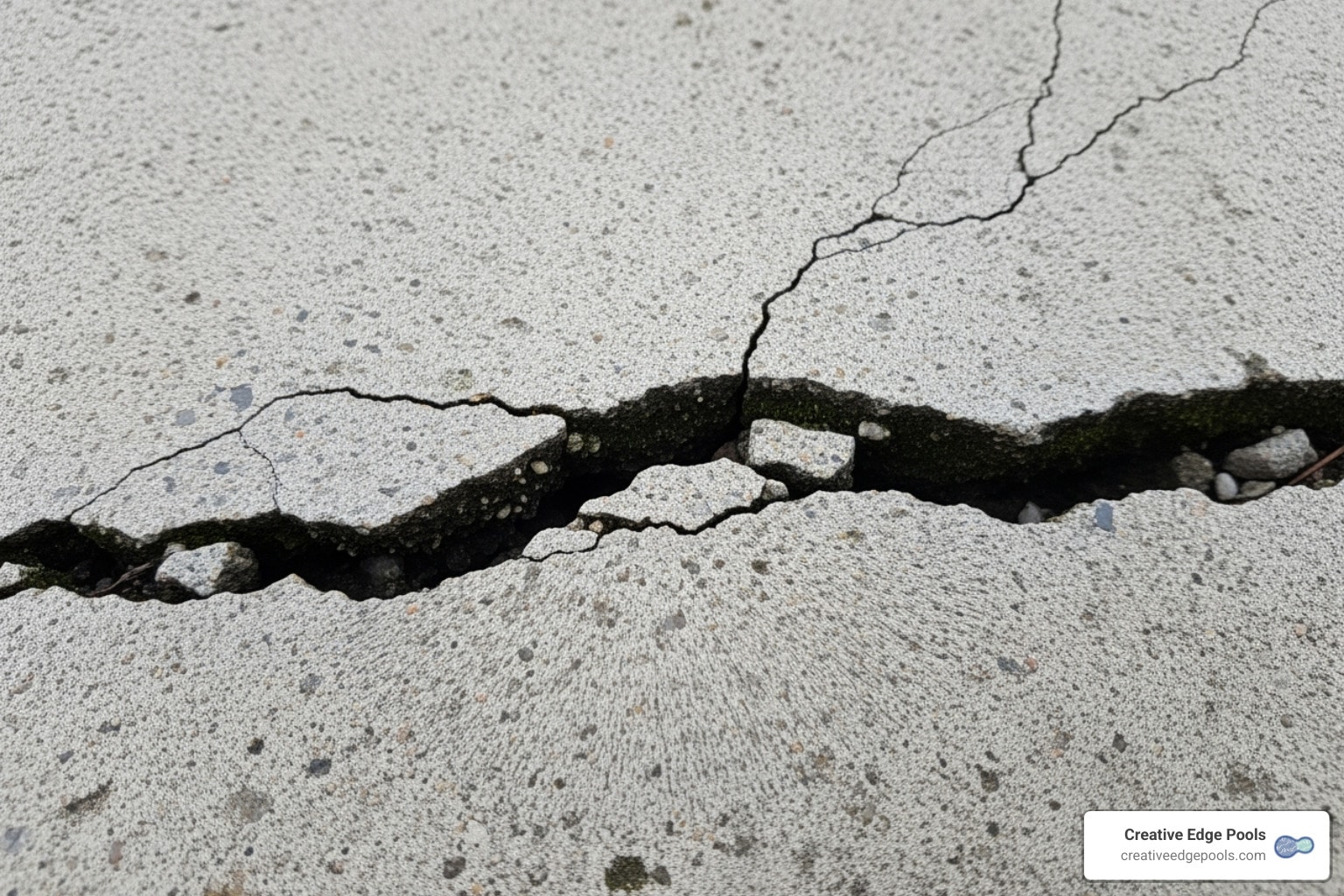
Fix cracked concrete patio: Top 3 Simple Steps
Understanding and Preparing for Your Patio Repair
A cracked concrete patio is more than just an eyesore; it’s a safety hazard that can worsen over time. Fortunately, most cracks can be repaired with the right approach and materials. Here’s a quick overview of the process:
- Clean the crack: Remove all debris and loose concrete.
- Choose your repair material: Use a concrete patch compound for wide cracks and a self-leveling sealant for narrow ones.
- Apply the fix: Fill the crack completely and smooth the surface.
- Allow proper curing: Wait 24-48 hours before use.
- Seal if needed: Protect the repair from future damage.
I’m David Brabant, owner of Creative Edge Pools, and with over thirty years of pool and site development experience, I’ve repaired countless concrete surfaces. Understanding how to fix cracked concrete patio problems properly will save you money and prevent bigger issues down the road.
Why Concrete Patios Crack and How to Assess the Damage
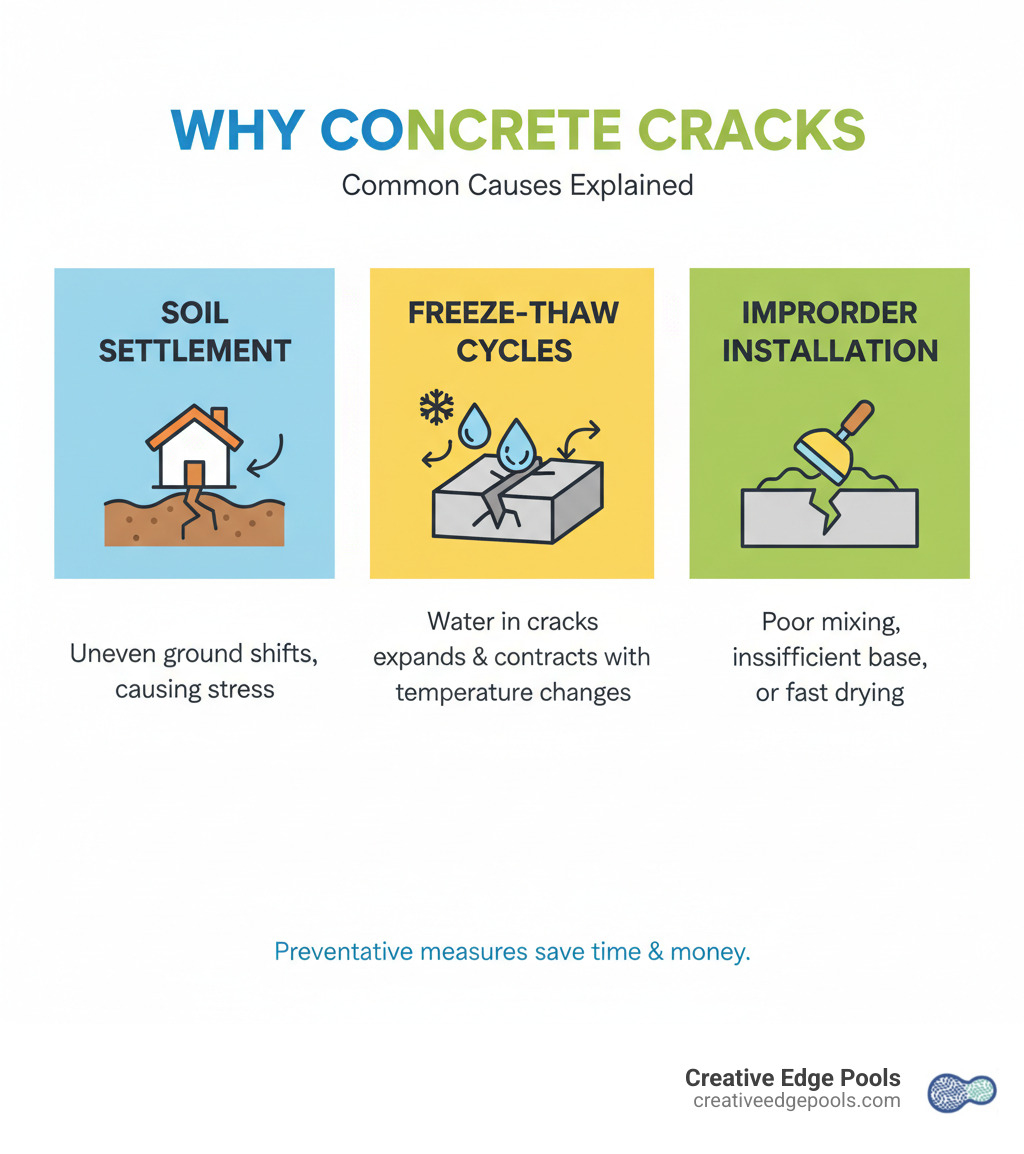
Concrete is durable, but not invincible. Cracks often appear due to:
- Soil Settlement: The ground beneath the slab shifts or erodes, causing the concrete to crack under its own weight.
- Freeze-Thaw Cycles: Water seeps into pores, freezes, expands, and breaks the concrete apart. This is a common issue in New England.
- Heavy Loads: Placing excessively heavy objects on the patio can cause stress fractures.
- Shrinkage: Concrete naturally shrinks as it cures. Improper mixing or rapid drying can lead to random cracking.
- Poor Installation: An inadequate base, lack of reinforcement, or improper curing can weaken the slab from the start.
Assessing the Damage:
Before you can fix a cracked concrete patio, you need to identify the type of crack:
- Hairline Cracks (Crazing): Fine surface cracks, often cosmetic but can worsen over time.
- Narrow Cracks (under 1/4 inch): Common cracks that allow water in, leading to further deterioration.
- Wide or Deep Cracks (over 1/4 inch): Indicate more significant movement or stress.
- Uneven Slabs: If one side of a crack is higher or lower than the other, it points to soil settlement issues.
Gathering Your Tools and Choosing the Right Repair Material
Successfully tackling a cracked concrete patio project begins with having the right arsenal of tools and the perfect repair material. Here’s a list of essential tools we recommend:
- Safety Gear: Always wear gloves, safety glasses, and a dust mask.
- Cleaning Tools: A wire brush and a pressure washer.
- Application Tools: A caulking gun, trowel, and putty knife.
- Repair Materials: Ready-mixed concrete patch, self-leveling sealant, and backer rod for deep cracks.
- Finishing Tools: A paintbrush and an orbital sander with 60-grit sandpaper.
- For larger cracks: A hammer and masonry chisel.
Choosing the Right Repair Material: A Head-to-Head Comparison
The best choice depends on the type of crack. Here’s a quick guide:
| Material Type | Best For | Pros | Cons |
|---|---|---|---|
| Concrete Patch Compound | Hairline to medium cracks (up to 1/2 inch). | Blends well with existing concrete, strong bond, can be textured. | Less flexible, can re-crack if there’s significant movement. |
| Concrete/Masonry Sealant | Narrow, non-structural cracks and control joints. | Very flexible, waterproof, easy to apply with a caulk gun. | Can have a shiny finish, may not match concrete color perfectly. |
| Epoxy/Resin Fillers | Structural repairs, deep cracks. | Extremely strong bond, waterproof, fast-curing. | More expensive, can be difficult to work with, may not match color. |
The Crucial First Step: Surface Preparation
Proper preparation is the key to a lasting repair. Don’t skip these steps.
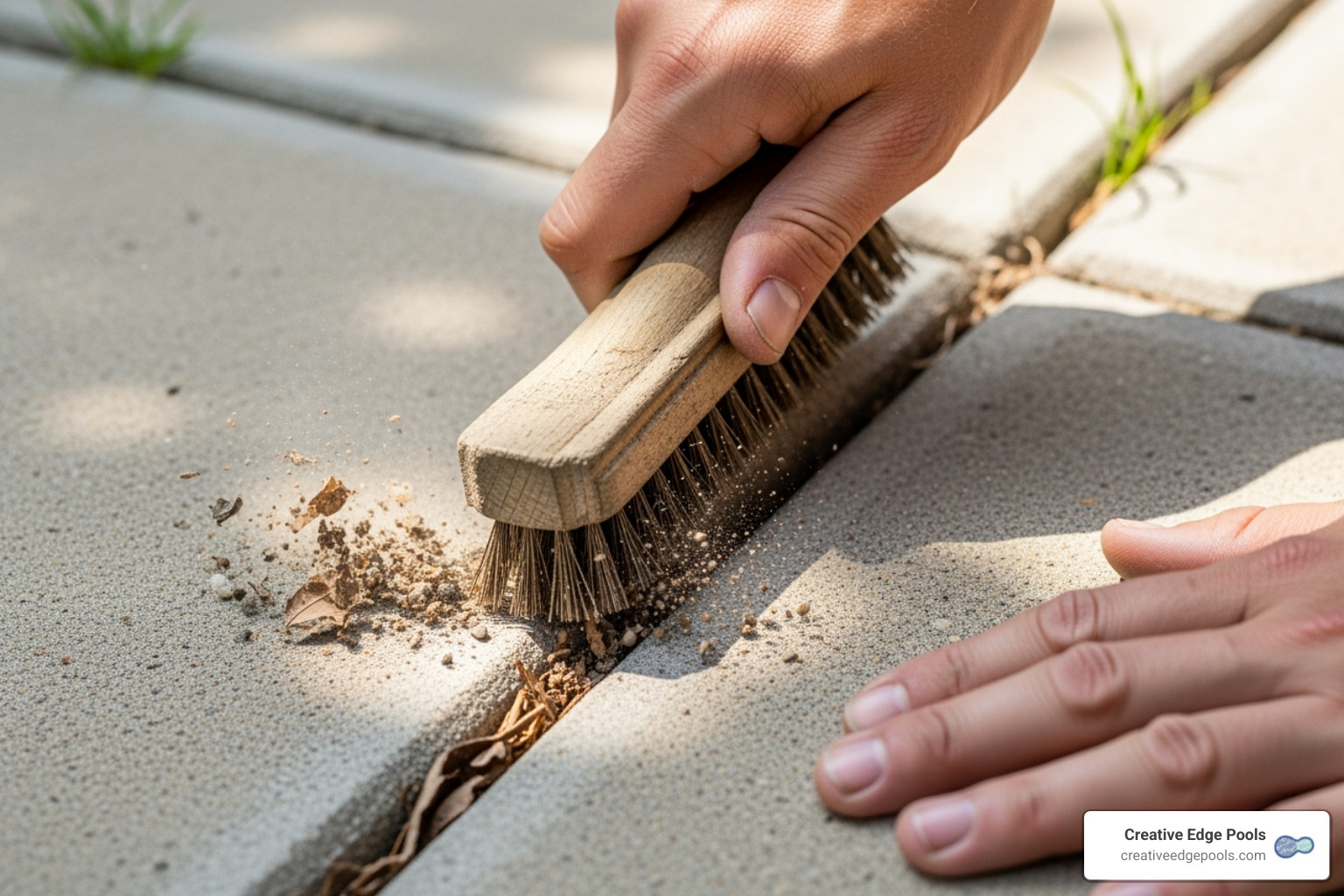
- Clean the Crack: Use a wire brush and a pressure washer to remove all loose debris, dirt, and old repair material from inside and around the crack.
- Undercut Wide Cracks: For cracks wider than 1/4 inch, use a hammer and chisel to make the bottom of the crack slightly wider than the top. This creates a ‘key’ that locks the patch in place.
- Ensure a Dry Surface: Let the area dry completely before applying any repair material. Moisture will prevent a strong bond. Aim for a dry day with temperatures above 50°F (10°C).
A Homeowner’s Guide to Fixing Concrete Patio Cracks
With your surface prepped and materials ready, it’s time to make the repair. The method you choose will depend on the size of the crack.
How to fix cracked concrete patio: Patching Hairline and Minor Cracks (Under 1/4-inch)
These smaller cracks are often cosmetic but can let water in, leading to bigger problems. A flexible sealant is usually the best choice here.
- Prepare the Crack: Ensure the crack is clean and completely dry.
- Apply Sealant: Use a caulking gun to apply a bead of self-leveling sealant directly into the crack. Aim for a smooth, consistent flow.
- Smooth the Surface: Use a putty knife or your finger to smooth the sealant flush with the concrete surface. You can sprinkle a little sand on the wet sealant to help it blend with the texture of the surrounding concrete.
- Cure: Allow the sealant to cure according to the manufacturer’s instructions, typically 24-48 hours, before allowing foot traffic.
How to fix cracked concrete patio: Tackling Wider and Deeper Cracks (Over 1/4-inch)
Larger cracks require a more robust approach to ensure a durable, long-lasting repair. For these, a cement-based patching compound is ideal.
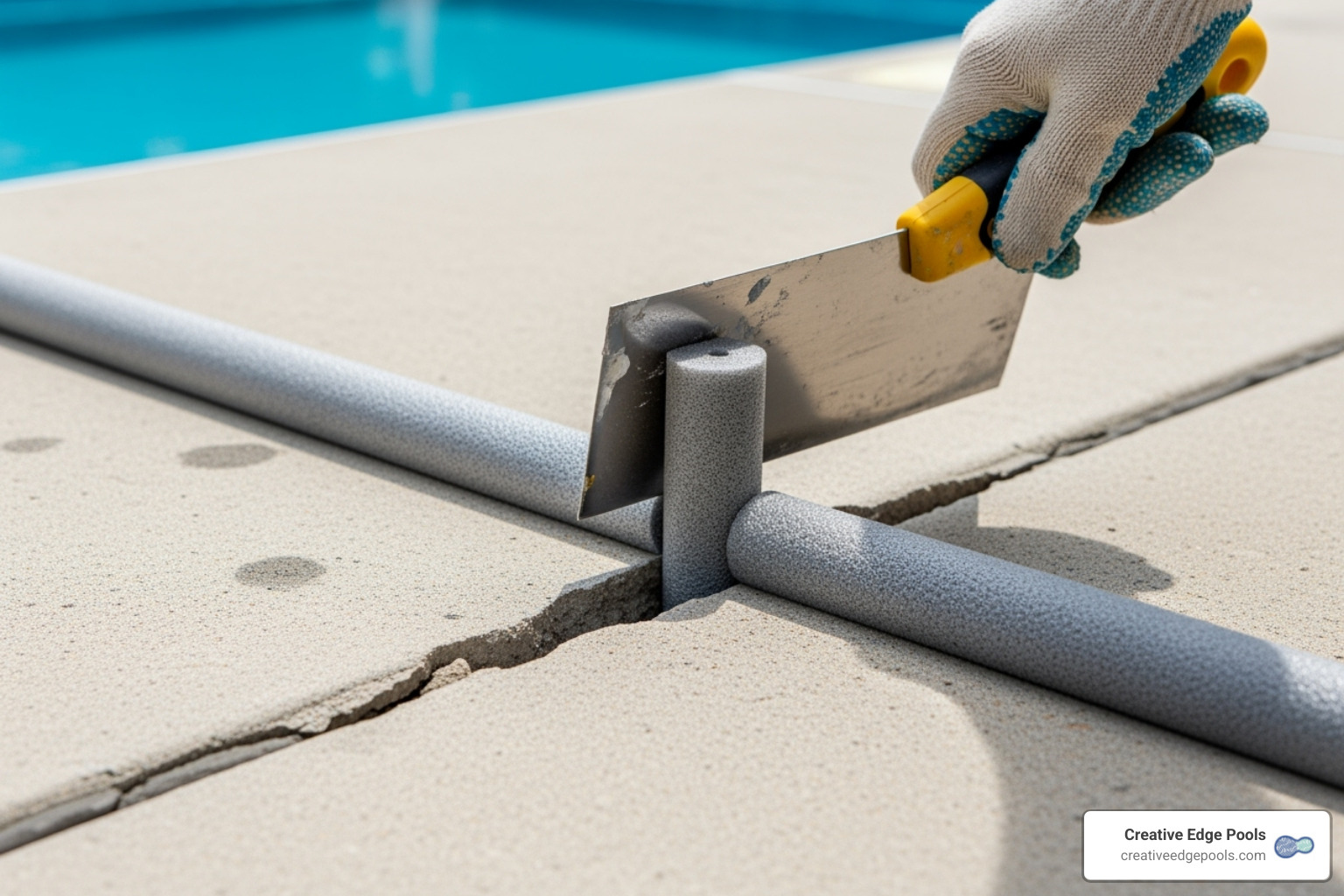
- Prepare the Crack: After cleaning and undercutting the crack (as described in the preparation step), dampen the inside of the crack with a little water. This prevents the old concrete from sucking moisture out of the new patch too quickly.
- Insert Backer Rod: For deep cracks, push a backer rod into the crack, leaving about 1/2 inch of space to the surface. This saves material and allows for slight movement.
- Mix and Apply Patch: Prepare your ready-mixed concrete patch according to the directions. Press the mixture firmly into the crack with a trowel, ensuring there are no air pockets. Overfill it slightly.
- Finish and Texture: Smooth the patch with your trowel so it’s level with the surrounding concrete. If your patio has a broom-finished texture, you can lightly drag a stiff brush over the wet patch to mimic the pattern.
- Cure Properly: Proper curing is vital for strength. Lightly mist the patch with water and cover it with a plastic sheet for 3-5 days. This slows the drying process and prevents the patch from cracking. Refer to the product’s instructions for specific curing of concrete times.
Ensuring a Lasting Repair and When to Call the Pros
Repairing cracks is one thing, but preventing them is even better. A little maintenance goes a long way in preserving your patio’s integrity.
Preventative Maintenance Tips:
- Ensure Proper Drainage: Make sure water flows away from your patio and home foundation. Keep gutters clean and extend downspouts if necessary.
- Seal Your Concrete: Apply a quality concrete sealer every 2-3 years. This protects against water damage, stains, and UV rays.
- Avoid Harsh Chemicals: De-icing salts can damage concrete. Use sand or a concrete-safe de-icer in the winter.
- Manage Tree Roots: If you notice roots lifting your patio, it’s best to address the issue before it causes major structural damage.
When to Call a Professional
While DIY repairs are great for minor issues, some problems require an expert. Call a professional if you see:
- Large or Growing Cracks: Cracks wider than 1/2 inch or that are actively getting bigger often signal a deeper problem.
- Uneven Slabs: If one side of a crack is higher than the other, it indicates a problem with the foundation or soil beneath the slab.
- Widespread Cracking: If your patio has numerous, interconnected cracks (often called “alligator cracking”), it may be a sign of a failing sub-base.
In these cases, a simple patch won’t solve the underlying issue. A professional can assess whether you need concrete lifting (also known as slab-jacking or foam injection) to raise sunken sections or if a full replacement is necessary. While replacement is a larger investment, it’s sometimes the only way to address severe structural problems and ensure a safe, long-lasting patio.
At Creative Edge Pools, we understand that your patio is a key part of your outdoor living space. Our expertise extends beyond pools to include the entire backyard environment, ensuring all elements work together harmoniously. If you’re facing concrete issues that seem beyond a simple DIY fix, or if you’re dreaming of a complete backyard change, we’re here to help.
For more tips and inspiration, follow us on Facebook or learn more about our hardscaping and masonry services.