
Pool Removal Newton MA: Top 5 Easy Steps in 2025
Pool removal Newton MA involves several important steps to ensure compliance with local regulations while changing your backyard into a more functional space. Whether you’re removing an inground, above-ground, or inflatable pool, understanding the legal requirements and the necessary permits is crucial. Here’s a quick glimpse of what you need to know for pool removal Newton MA:
- Permits: Necessary for legal pool removal.
- Zoning laws: Ensure compliance with local directives.
- Environmental impact: Consider eco-friendly disposal options.
My name is David Brabant, and with over thirty years in the swimming pool and site development industry, I have experience in pool removal Newton MA. I prioritize quality customer service and am dedicated to assisting homeowners in navigating the regulations and process of pool removal in Newton.
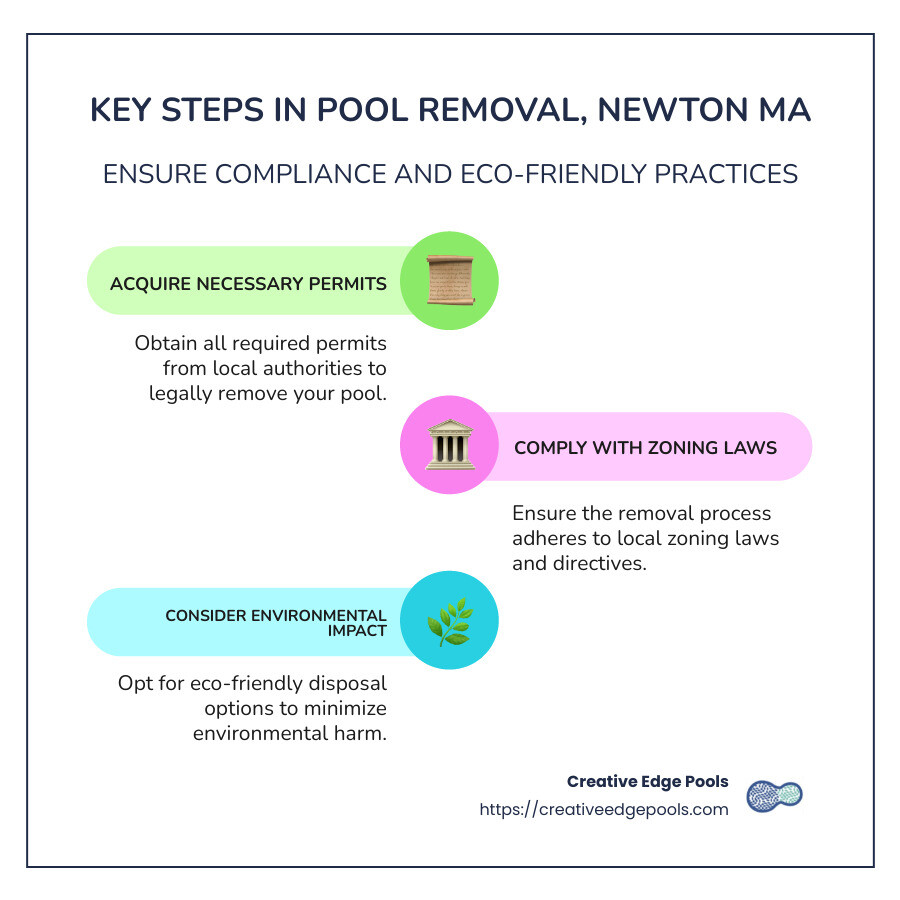
Simple guide to pool removal newton ma:
Understanding Local Regulations
When it comes to pool removal in Newton, MA, understanding local regulations is essential. This includes permits, zoning laws, and considering the environmental impact. Let’s explore each of these aspects to ensure a smooth and compliant removal process.
Permits
Removing a pool in Newton requires specific permits. These permits are necessary to ensure that the demolition is conducted safely and legally. Generally, you will need a building permit, which you can obtain from the local city or town hall. This permit guarantees that the removal process meets local safety and construction standards.
The type of pool (inground, above-ground, or inflatable) can affect the permit requirements. Therefore, consulting with a professional who understands local regulations can be beneficial.
Zoning Laws
Zoning laws in Newton dictate how land can be used and what structures can be built or removed. Before starting the pool removal process, check with the local zoning department to ensure compliance with these laws.
Zoning laws can influence:
- The hours during which demolition can occur.
- Noise levels allowed during the removal process.
- Disposal methods for debris.
Understanding these laws helps avoid potential fines or legal issues.
Environmental Impact
Pool removal isn’t just about tearing down structures; it’s also about considering the environment. Newton, like many communities, encourages eco-friendly disposal methods to minimize environmental impact.
Here are some eco-friendly options:
- Recycling: Many pool materials, such as metal and concrete, can be recycled. This reduces waste and helps preserve natural resources.
- Landfill Alternatives: Instead of sending debris to a landfill, consider donating usable materials or recycling them. This approach is not only environmentally friendly but can also be more cost-effective.
By understanding and adhering to these local regulations, you ensure a safe, legal, and environmentally responsible pool removal process in Newton, MA. Next, let’s explore the different types of pool removal methods available.
Types of Pool Removal
When considering pool removal in Newton, MA, it’s crucial to understand the different types of pools and the specific methods for removing each. Let’s break down the three main types: inground pools, above ground pools, and inflatable pools.
Inground Pool Removal
Inground pools are permanent structures built into the ground. Removing them is a more complex process compared to other types of pools. Here’s a quick overview of the steps involved:
- Draining the Pool: Before removal, the pool must be completely drained. This is often done by connecting a pump to the main drain line.
- Demolition: The pool structure, typically made of concrete or gunite, is broken down using heavy machinery. This can involve breaking up the pool shell and removing it piece by piece.
- Filling: Once the pool is demolished, the hole is filled with clean fill dirt. It’s essential to compact the fill dirt properly to prevent future settling.
- Landscaping: Finally, the area is graded and landscaped to blend with the surrounding yard.
Inground pool removal is a major project that usually requires professional help due to its complexity and the heavy equipment involved.
Above Ground Pool Removal
Above ground pools are less permanent and easier to remove. Here’s how the process typically unfolds:
- Draining: Like inground pools, above ground pools need to be drained completely. You can use a garden hose or a pump for this task.
- Disassembly: The pool structure, often made of metal or resin, is disassembled. This includes removing the liner, walls, and any decking.
- Disposal: The materials are then disposed of. Many components, such as metal walls, can be recycled.
- Site Restoration: The site is cleaned up, and any remaining debris is removed. You may choose to landscape the area to restore it to its original state or repurpose it for another use.
Above ground pool removal is generally quicker and less costly than inground pool removal.
Inflatable Pool Removal
Inflatable pools are the simplest to remove. Here’s a straightforward guide:
- Deflating: Start by deflating the pool. This can be done by opening the air valves and letting the air escape.
- Draining: Ensure all the water is drained. You can tip the pool to help with this.
- Cleaning and Storage: Clean the pool thoroughly to remove any dirt or algae. Once dry, fold it neatly for storage or disposal.
- Disposal: If the pool is no longer usable, consider recycling the material if possible.
Inflatable pools offer the most flexibility and ease when it comes to removal, often requiring just a few hours to complete.
Understanding the type of pool you have is key to planning its removal effectively. Each type has its own set of requirements and challenges, so knowing what to expect can make the process smoother.
Next, we’ll dive into the step-by-step pool removal process, detailing each stage from start to finish.
Step-by-Step Pool Removal Process
Removing a pool, whether it’s inground, above ground, or inflatable, involves several key steps. Let’s walk through the step-by-step pool removal process to ensure everything goes smoothly.
Disassembly
Inground Pools: The disassembly of inground pools is a complex task. It begins with the removal of the pool deck and coping, followed by breaking up the concrete or gunite pool shell. Heavy machinery like jackhammers or excavators are typically used for this purpose. This step requires professional expertise to ensure safety and efficiency.
Above Ground Pools: This process is more straightforward. Start by removing any attachments like ladders or pumps. Next, disassemble the pool walls by unscrewing or unbolting them. The pool liner should be cut into manageable pieces for easier disposal.
Inflatable Pools: Simply deflate the pool by opening the air valves. Once deflated, fold the pool for storage or disposal.
Drainage
Proper drainage is crucial to avoid flooding and environmental damage.
Inground Pools: Use a submersible pump to remove all water from the pool. This water should be directed to a sanitary sewer line, not storm drains, to comply with local regulations.
Above Ground Pools: Drain water using a garden hose or pump. Make sure to release the water slowly to prevent soil erosion.
Inflatable Pools: Tip the pool to drain any remaining water after deflation. Ensure the area is dry before proceeding.
Debris Disposal
Disposing of debris is the final step in the pool removal process.
Inground Pools: Concrete and other materials from the pool shell are collected and transported to a designated landfill. Some materials can be recycled, so check with local facilities for options.
Above Ground Pools: Metal parts can often be recycled. Contact a local recycling center to see if they accept pool materials. Non-recyclable items should be taken to a landfill.
Inflatable Pools: If the pool is beyond repair, consider recycling it if the material is accepted by local facilities. Otherwise, dispose of it as regular waste.
Throughout the pool removal in Newton, MA, it’s important to follow local regulations to ensure compliance and avoid fines. Proper planning and execution of these steps will lead to a successful and hassle-free pool removal.
Next, we’ll explore eco-friendly disposal options to minimize environmental impact.
Eco-Friendly Disposal Options
When it comes to pool removal in Newton, MA, considering eco-friendly disposal options is crucial. It helps reduce waste and minimize environmental impact. Let’s explore some sustainable methods to dispose of pool materials.
Recycling
Metal Parts: Many above ground pools have metal components that can be recycled. Check with local recycling centers to see if they accept these materials. Recycling metal not only saves energy but also reduces the need for raw materials.
Concrete and Gunite: For inground pools, the concrete or gunite shell can often be crushed and reused as base material for new construction projects. This process conserves natural resources and reduces landfill use.
Vinyl Liners: While recycling vinyl liners can be more challenging, some specialized facilities may accept them. Always call ahead to confirm.
Landfill Alternatives
Donation: If your pool is still in good condition, consider donating it. Organizations or individuals might be interested in repurposing pool parts. This keeps materials out of landfills and benefits the community.
Repurposing: Some pool materials, like ladders or pumps, can be repurposed for other uses around your home or garden. Get creative and think about how these items might serve a new purpose.
Environmental Impact
Reducing the environmental impact of pool removal is vital. By opting for recycling and landfill alternatives, you contribute to a more sustainable future. Here’s how these efforts make a difference:
- Less Waste: Recycling and repurposing reduce the volume of waste ending up in landfills.
- Resource Conservation: Reusing materials conserves natural resources and reduces the need for new raw materials.
- Energy Savings: Recycling often requires less energy compared to producing new materials from scratch.
By considering these eco-friendly options during your pool removal in Newton, MA, you can make a positive environmental impact. Next, we’ll address some common questions about the pool removal process.
Frequently Asked Questions about Pool Removal in Newton, MA
What permits are needed for pool removal?
When planning for pool removal in Newton, MA, obtaining the right permits is crucial. Local regulations require you to secure a demolition permit from the Newton Building Department. This ensures that the removal process complies with safety standards and zoning laws.
Steps to Acquire a Permit:
- Application: Fill out the demolition permit application form available on the Newton Building Department’s website.
- Documentation: Provide necessary documents, such as a site plan and proof of property ownership.
- Review: The application will be reviewed for compliance with local zoning laws and environmental impact considerations.
- Approval: Once approved, you will receive the permit, allowing you to proceed with the pool removal.
It’s always a good idea to check with local authorities for any updates or changes in the permitting process.
How long does the pool removal process take?
The timeline for removing a pool can vary based on several factors, including the type of pool and any local regulations that must be followed.
Typical Duration:
- Above Ground Pools: These are usually quicker to remove, often taking just a few days. Disassembly and disposal are straightforward.
- Inground Pools: The process is more complex, often requiring 1-2 weeks. This includes draining the pool, breaking up the concrete or gunite, and disposing of materials.
- Permit and Inspection: Obtaining permits and scheduling inspections can add additional time, typically a few days to a week.
Overall, planning ahead and securing necessary permits early can help streamline the process.
Can pool materials be recycled?
Yes, many materials from pool removal can be recycled, contributing to eco-friendly disposal efforts.
Recyclable Materials:
- Metal Components: Parts like ladders and frames from above ground pools can be recycled at local metal recycling centers.
- Concrete and Gunite: These materials can be crushed and reused as aggregate in construction, reducing the need for new raw materials.
- Vinyl Liners: While more challenging, some specialized facilities may accept vinyl liners for recycling. Always contact the facility first to confirm.
By choosing to recycle, you help conserve resources and minimize the environmental impact of your pool removal project.
These FAQs aim to guide you through the pool removal process in Newton, MA, with a focus on compliance and sustainability. In the next section, we’ll wrap up our comprehensive guide on pool removal and discuss how Creative Edge Pools can assist you in changing your backyard.
Conclusion
Removing a pool can feel overwhelming, but with the right guidance and support, it can be a smooth process. At Creative Edge Pools, we pride ourselves on providing a comprehensive service custom to your needs. From obtaining necessary permits to eco-friendly disposal, we handle every aspect of pool removal in Newton, MA with precision and care.
Our team specializes in changing your backyard into a space that aligns with your vision. Whether you’re looking to replace your pool with a new landscape design, add a patio, or create an outdoor entertainment area, we have the expertise to make it happen. Our family-owned business combines years of experience with a personal touch, ensuring that your project is completed to the highest standards.
By choosing Creative Edge Pools, you not only benefit from our extensive knowledge and skills, but you also become part of our family. We are committed to delivering results that exceed your expectations and create lasting value for your home.
Ready to start your pool removal project? Contact us today to schedule a consultation and find how we can help you achieve the backyard of your dreams.
