
How much does an 18×36 pool liner cost? True 2025 Guide
Understanding the True Cost of an 18×36 Pool Liner
Thinking about updating your backyard oasis and wondering how much does a 18×36 pool liner cost? It’s a common question, and getting a clear answer can feel tricky. While the liner itself has a price, the total cost for a full replacement involves much more than just the liner.
For an 18×36 inground pool, a complete liner replacement, including professional installation, typically falls within this range:
| Pool Size | Average Cost Range (Installed) |
|---|---|
| 18×36 Inground Pool | $5,200 – $6,500+ |
This range can change based on many things. Factors like the liner’s thickness, its pattern, and what repairs your pool might need all play a part. You also need to consider labor, water, and other small items that add to the final price tag.
Over thirty years of hands-on experience in the swimming pool and site development business provides unique insights into all aspects of pool expenses, including how much a 18×36 pool liner costs.
To better understand the key elements that make up this cost, take a look at our detailed infographic:
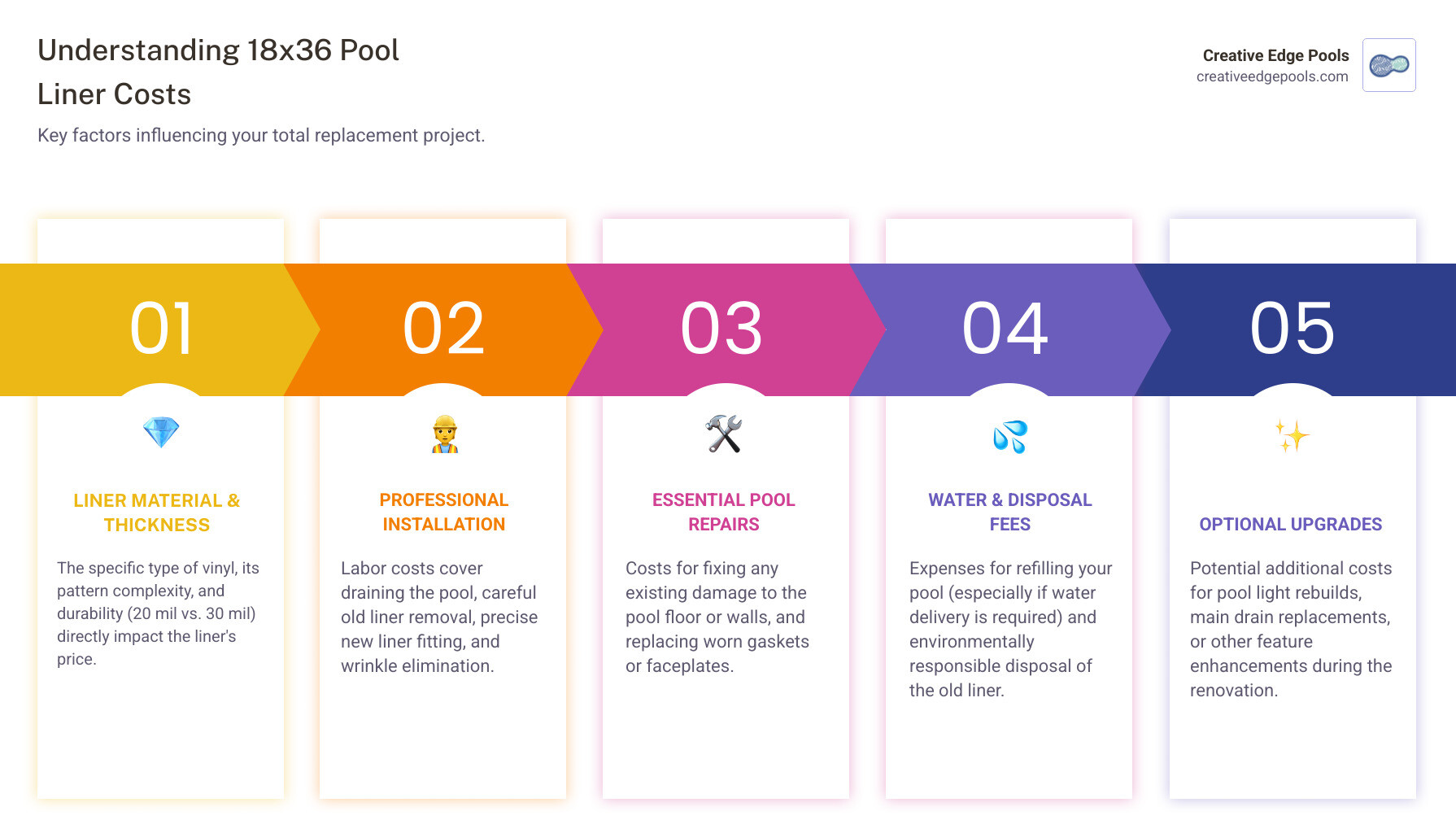
How Much Does a 18×36 Pool Liner Cost? A Complete Breakdown
When homeowners ask “how much does a 18×36 pool liner cost?”, they’re often surprised to learn it’s not just about the liner itself. Think of it like renovating your kitchen – the cabinets are important, but you also need installation, potential repairs, and all those little extras that add up quickly.
The total cost comes from three main areas: the liner material, professional installation, and those unexpected extras that can pop up once the old liner comes out. Let’s break down each piece so you know exactly what you’re looking at.
The Liner Itself: How Material and Thickness Affect Your 18×36 Pool Liner Cost
Your liner is basically the heart of your pool – it holds all that water and gives your backyard oasis its personality. The choices you make here directly impact both your upfront cost and how long you’ll enjoy your investment.
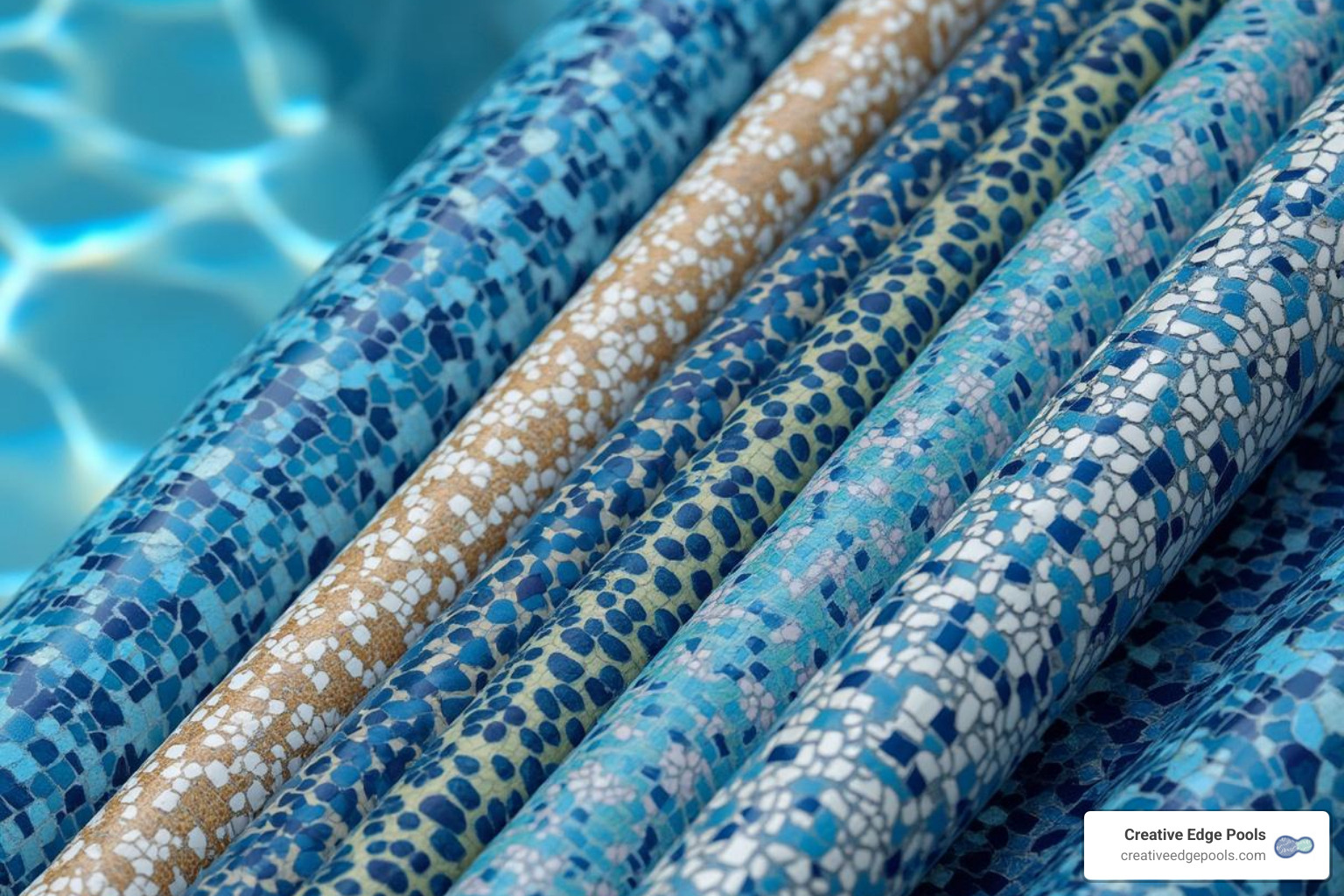
Vinyl liners dominate the market for good reason. They’re affordable, durable, and come in dozens of gorgeous patterns that can make your pool look like anything from a tropical lagoon to an neat spa. These custom-fit vinyl “bags” are precisely manufactured to fit your pool’s exact dimensions.
Thickness makes all the difference. Liner thickness gets measured in “mil” – and yes, that’s one-thousandth of an inch. While above-ground pools might use 20-gauge liners, inground pools typically start at 27 or 28 mil for good reason.
Here’s where it gets interesting: a 20 mil liner costs less upfront, but upgrading to 27-30 mil often pays for itself over time. Thicker liners resist tears, punctures, and general wear much better. For your 18×36 pool, jumping from standard thickness to a premium 30-mil liner might add $700 to $1,000 to your material cost, but you’re looking at potentially years of extra life.
Material quality goes beyond just thickness. Higher-grade virgin vinyl resists fading from UV rays and stays flexible longer. It’s the difference between a liner that looks tired after five years versus one that still looks great after eight.
Pattern complexity rarely breaks the bank. Whether you choose a simple blue or an intricate stone pattern, the price difference is usually minimal. The real cost driver is thickness, not design. You can browse hundreds of stunning options to find your perfect match.
For an 18×36 pool, expect the liner material alone to run $700 to $1,500. But remember – this is just the beginning of your investment.
Professional Installation and Labor Fees
Here’s where many homeowners get sticker shock, but there’s good reason professional installation costs what it does. Installing a pool liner isn’t like hanging wallpaper – it requires specialized equipment, years of experience, and absolute precision.
Labor typically runs $1,000 to $2,500 for most inground pools, with 18×36 pools usually landing around $1,750 or more depending on your pool’s complexity and local rates.
What exactly are you paying for? A complete change service. Your installer will drain your entire pool using specialized pumps – we’re talking about removing 30,000+ gallons efficiently. Then comes the careful removal of your old liner, which sometimes reveals surprises underneath.
Digital measurement ensures a perfect fit. Your pool gets measured with precision equipment because even small errors can create costly problems. These measurements go to the manufacturer who creates your custom liner – a process that can take up to six weeks during busy season.
Surface preparation is crucial. Before your new liner goes in, any rough spots, small cracks, or uneven areas get smoothed out. Steel walls might need grinding, seams get fresh tape, and everything gets prepped for that perfect installation.
The installation itself is an art form. Your new liner gets carefully positioned, then a vacuum system pulls it snugly against every curve and corner of your pool. Skilled installers work methodically to eliminate wrinkles as water begins filling the pool. The whole process usually happens in a single day, minimizing your pool’s downtime.
Beyond the Sticker Price: Hidden Fees and Your Total 18×36 Pool Liner Cost
This is where “how much does a 18×36 pool liner cost” gets complicated. Until that old liner comes out, nobody knows exactly what’s hiding underneath. It’s like opening up a wall during a home renovation – sometimes everything looks great, sometimes you find issues that need attention.
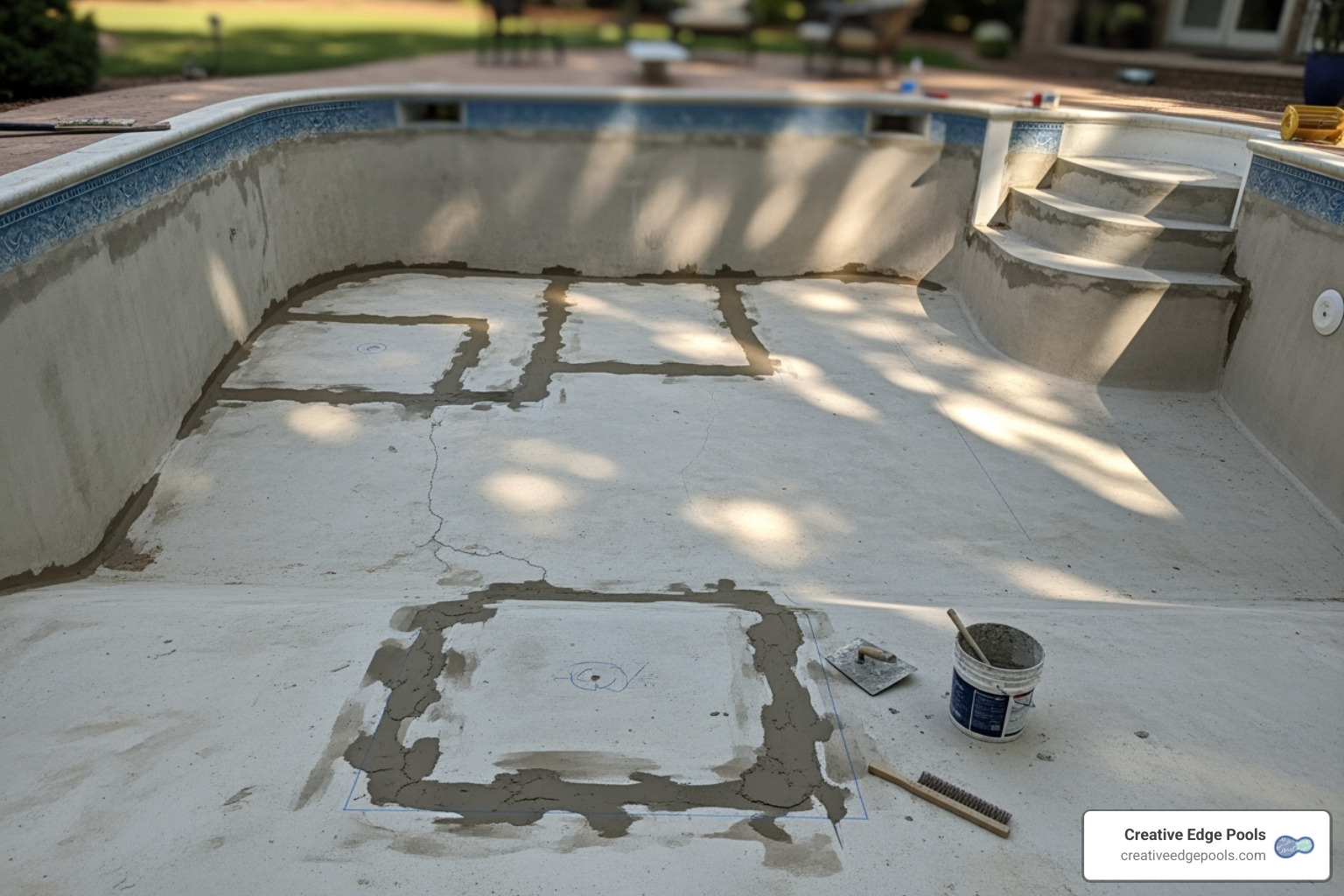
Pool floor and wall repairs represent the biggest potential surprise. Cracks, uneven surfaces, or damaged walls aren’t visible until the old liner is gone. Minor fixes might add $200-$500, but major repairs can push costs up $1,500 or more. These repairs aren’t optional – they’re essential for your new liner to install properly and last its full lifespan.
Small parts add up quickly. Gaskets and faceplates around your skimmers, returns, and main drain create watertight seals with your new liner. While they don’t always need replacing, it’s smart preventive maintenance during a liner replacement. Budget around $150 for gaskets and faceplates, though flanges can add $250-$1,000 if they need attention.
Pool lights deserve attention too. If you have underwater lighting, liner replacement is the perfect time for a rebuild. New seals prevent future leaks and ensure years of trouble-free operation. Pool light rebuilds typically run around $300.
Water delivery often surprises homeowners. Many quotes don’t include refilling your pool. While you can use your garden hose, filling 30,000+ gallons takes forever and can strain your water system. Water trucking services typically charge $500-$600 to efficiently refill your 18×36 pool.
Don’t forget the extras. Old liner disposal runs $75-$150, start-up chemicals cost around $100, and some municipalities require permits ranging from $100-$300. These small costs add up quickly.
When you factor in all these potential additions, your total investment can easily reach the higher end of our initial estimate – or beyond if significant structural work is needed. The key is working with experienced professionals who can spot potential issues early and give you realistic expectations.
Budgeting for the Full Project & Making Smart Choices
Understanding the full scope of costs is the first step in smart budgeting. Now, let’s look at how to ensure your investment lasts and make smart choices for your backyard oasis.
Lifespan, Warranty, and Long-Term Value
Investing in a new pool liner is a significant expense, so naturally, you want it to last as long as possible! The typical lifespan of an inground vinyl pool liner is generally between 8 to 12 years. But with excellent maintenance and quality materials, some can even last 15 years or more!
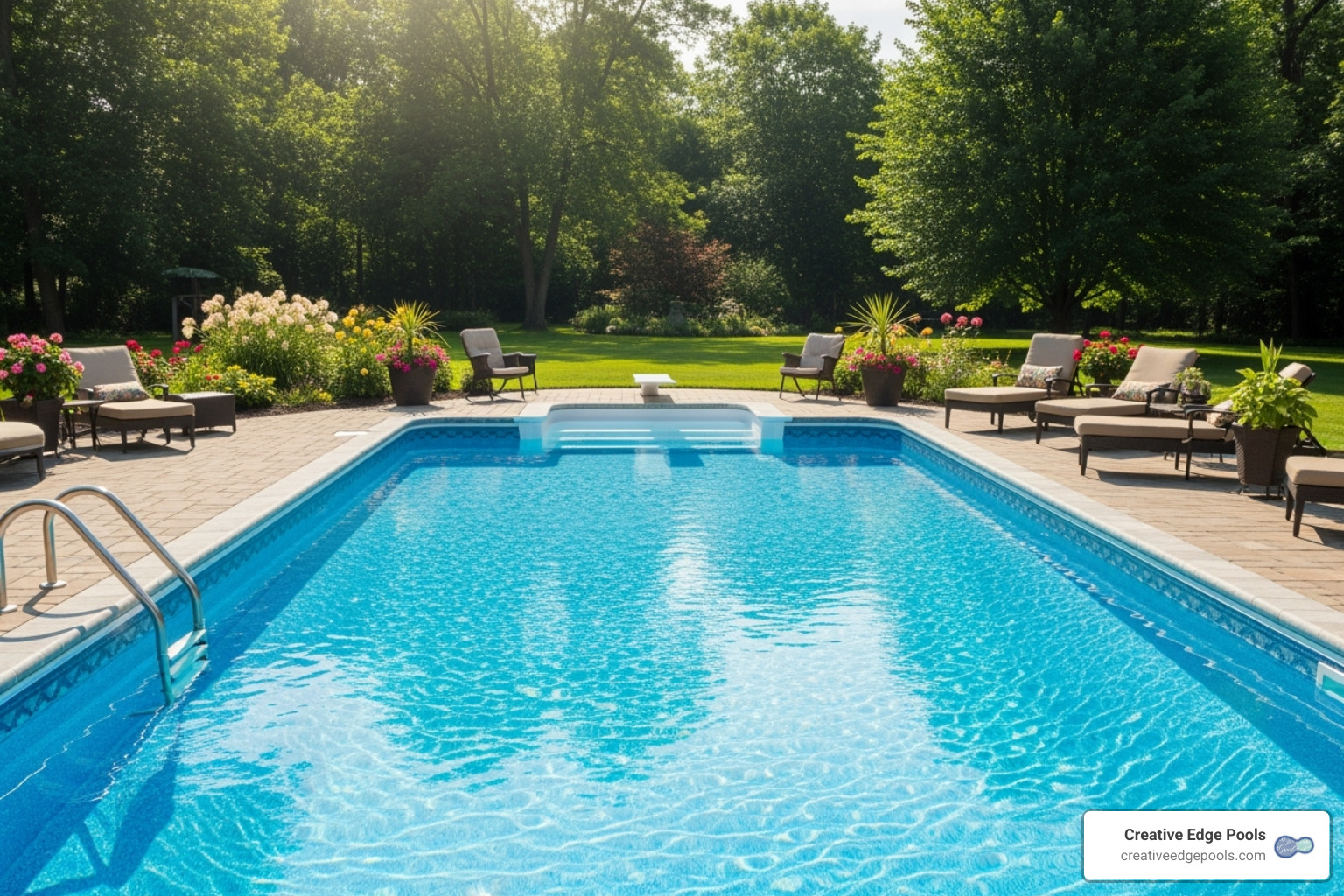
Several factors play a big role in how long your liner will serve you well:
- Liner Thickness and Quality: This is a big one! Thicker, higher-quality liners naturally last longer. While a 30 mil liner might cost more upfront, it’s much tougher against punctures, tears, and stretching. This means you might replace it less often, saving you money in the long run.
- Water Chemistry: Keeping your pool water balanced is super important. If your pH, alkalinity, or chlorine levels are off, it can make the liner break down faster. This can lead to fading, brittleness, and even wrinkles. Regular testing and balancing are key!
- UV Exposure: The sun’s strong UV rays can really take a toll on your liner over time. Using a good pool cover when you’re not swimming can protect it from the sun and help it last much longer.
- Maintenance Practices: Being gentle with your pool goes a long way. Use soft brushes for cleaning and always be careful not to drop sharp objects in. Also, keep an eye on your water level to avoid putting stress on the liner.
While a cheaper, thinner liner might seem like a good deal at first, it often leads to more frequent replacements. This can actually cost you more over the lifetime of your pool. Investing in a quality liner and taking good care of it is truly the most cost-effective approach.
Most pool liners come with a manufacturer’s limited warranty, typically covering 10 to 25 years. It’s important to know that these warranties are often pro-rated. This means the coverage decreases over time. For example, a 20-year pro-rated warranty might cover 100% for the first few years, but only a small percentage as it gets older. Always ask for and review the warranty details before you buy. A typical manufacturer’s warranty usually covers defects in materials or workmanship, but generally won’t cover damage from bad water chemistry, misuse, or acts of nature.
When to Replace: Key Signs of Wear and Tear
Knowing when to replace your 18×36 pool liner is crucial. Ignoring the warning signs can lead to bigger problems and more expensive repairs down the road. We recommend thinking about a replacement if you spot any of these issues:
You might see visible tears or cracks. These are clear signs of damage, and even small ones can lead to a lot of water loss, which can then hurt your pool’s structure. Another common sign is fading and staining. Over time, especially with a lot of sun and unbalanced chemicals, your liner’s bright color can dull, and ugly stains might pop up. This often means the material is breaking down.
Keep an eye out for wrinkles and sagging. If your liner starts to get a lot of wrinkles that don’t go away, or if it looks like it’s pulling away from the walls, it could mean the material is losing its flexibility or there are structural issues. A mysterious, ongoing drop in your pool’s water level, more than just normal evaporation, is a big red flag for water loss. While some small leaks can be patched, widespread tiny holes or general porosity means it’s time for a new liner.
You might also notice brittleness. If the liner feels stiff, hard, or crunchy to the touch, especially near the waterline, it means the vinyl has lost its stretchiness and is more likely to crack. Finally, watch for the liner pulling away from the track. If it starts to detach from the coping or track, it indicates the material has lost its give and is either shrinking or stretching improperly.
Ignoring these signs can lead to much more serious issues, like damage to your pool’s foundation or the areas around it from leaks. And trust us, those repairs will definitely add to your overall costs!
Planning Your Perfect Pool Renovation
Pool professionals get it – replacing a pool liner isn’t just about fixing a problem; it’s a fantastic chance to give your entire backyard a fresh new look! Many companies offer comprehensive backyard development services, helping you integrate your new liner with a complete vision for your entire outdoor living space.
When you’re planning your liner replacement, think about all the exciting possibilities:
- Upgrading Pool Features: This is the perfect moment to add or upgrade things like new steps, shiny handrails, or even a different main drain cover to perfectly complement your beautiful new liner.
- Hardscaping and Masonry: A fresh liner can be the dazzling centerpiece of a much bigger renovation. Consider designing and building stunning surrounding patios, inviting walkways, sturdy retaining walls, and even a fantastic outdoor kitchen to create a cohesive and stunning backyard.
- Scheduling Replacement: While we can replace liners year-round, the best time is often during milder weather in the spring or fall. Installers are usually less busy during these “off-seasons,” which can mean more flexible scheduling for you and sometimes even some cost savings compared to the busy summer rush.
- Getting a Professional Quote: The very best way to get an accurate estimate for how much does a 18×36 pool liner cost for your specific situation is to reach out to experienced professionals. They can provide detailed assessments, discuss all potential costs upfront, and help you choose the very best liner for your needs and budget. Ask for clear, itemized quotes so you understand every single part of your investment.
Replacing your pool liner is a big decision and a significant investment. But with careful planning and the right partners, it can seamlessly fit into your vision for a beautiful, functional, and long-lasting backyard oasis. This is a great opportunity to transform your pool and outdoor space into the haven you’ve always dreamed of! You can also explore other renovations, like converting to gunite, if you’re thinking about an even bigger change.
For more, check out Creative Edge Pools via website or Facebook!
