Why Your Pool Interior Finish Matters More Than You Think
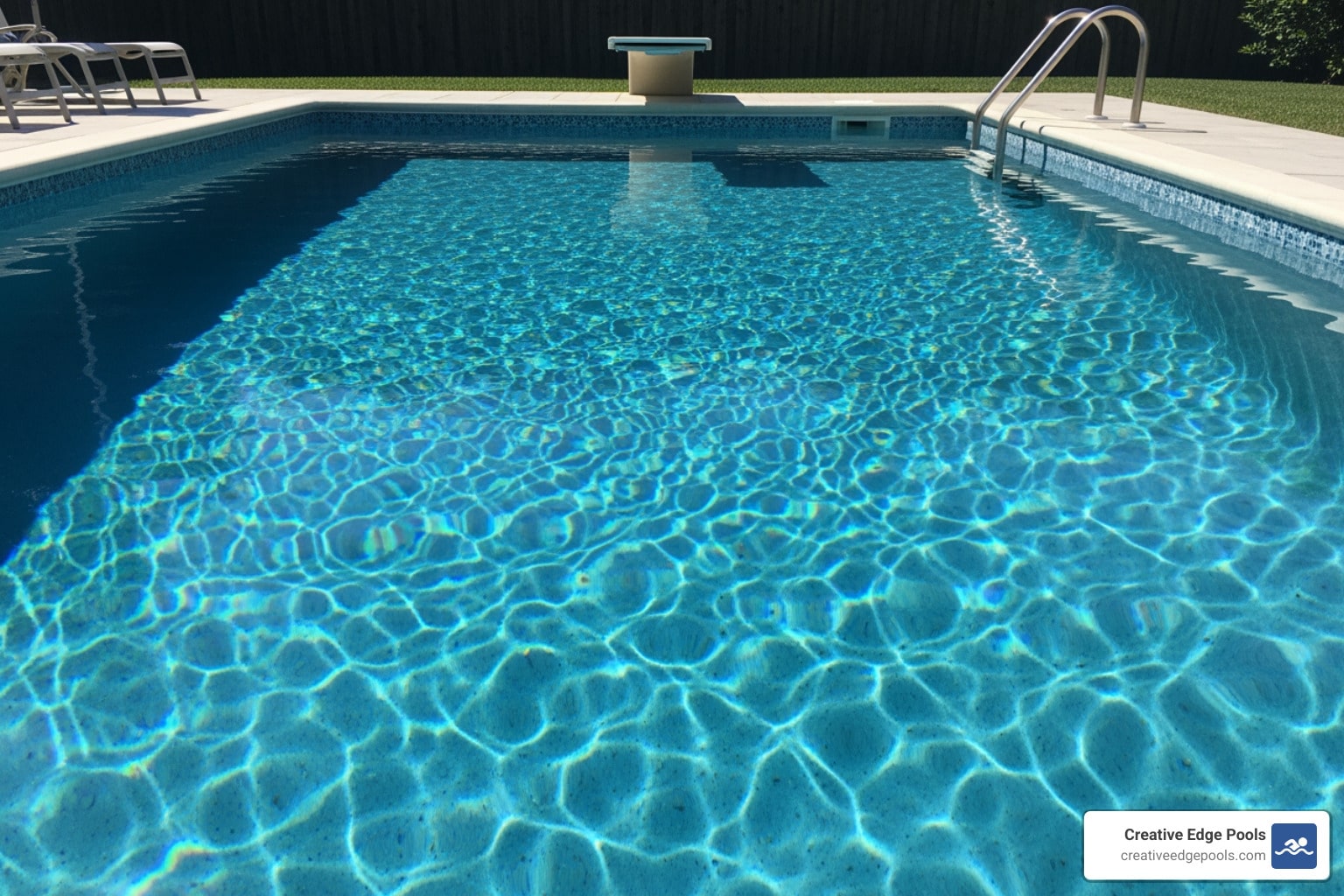
Pool interior finish is the waterproof coating applied to your pool’s concrete shell that determines how your water looks, feels, and how long your pool will last. It’s more than just decoration—it’s the protective barrier between your pool structure and thousands of gallons of chemically treated water.
Quick Answer: Types of Pool Interior Finishes
| Finish Type | Lifespan | Key Benefit | Price Range |
|---|---|---|---|
| Plaster | 7-12 years | Most affordable, classic look | $ |
| Quartz | 10-15 years | Improved durability, color options | $$ |
| Pebble | 15-20 years | Maximum durability, natural texture | $$$ |
| Glass Beads | 10-15 years | Sparkling appearance, smooth feel | $$$ |
| Tile | 20-50+ years | Longest-lasting, unlimited design | $$$$ |
The interior finish of your pool is comparable to the icing on a cake—it’s the finishing touch that covers the entire structure and helps define its overall aesthetic. But unlike cake icing, your pool finish must withstand constant water exposure, chemical treatments, UV rays, and daily use.
Most homeowners focus on pool shape and size during planning, but the finish you choose affects everything from water color and comfort to maintenance routines and long-term costs. A white plaster finish creates that classic bright blue pool glow. Dark pebbles create a natural, lake-like appearance. Glass beads catch sunlight for a sparkling, dimensional effect.
Your choice also impacts durability. Traditional plaster might need resurfacing every 7-10 years, while premium pebble finishes can last 15-20 years with proper care. That’s why understanding your options matters—it affects both your immediate experience and your investment over decades.
Exploring the Different Types of Pool Interior Finish
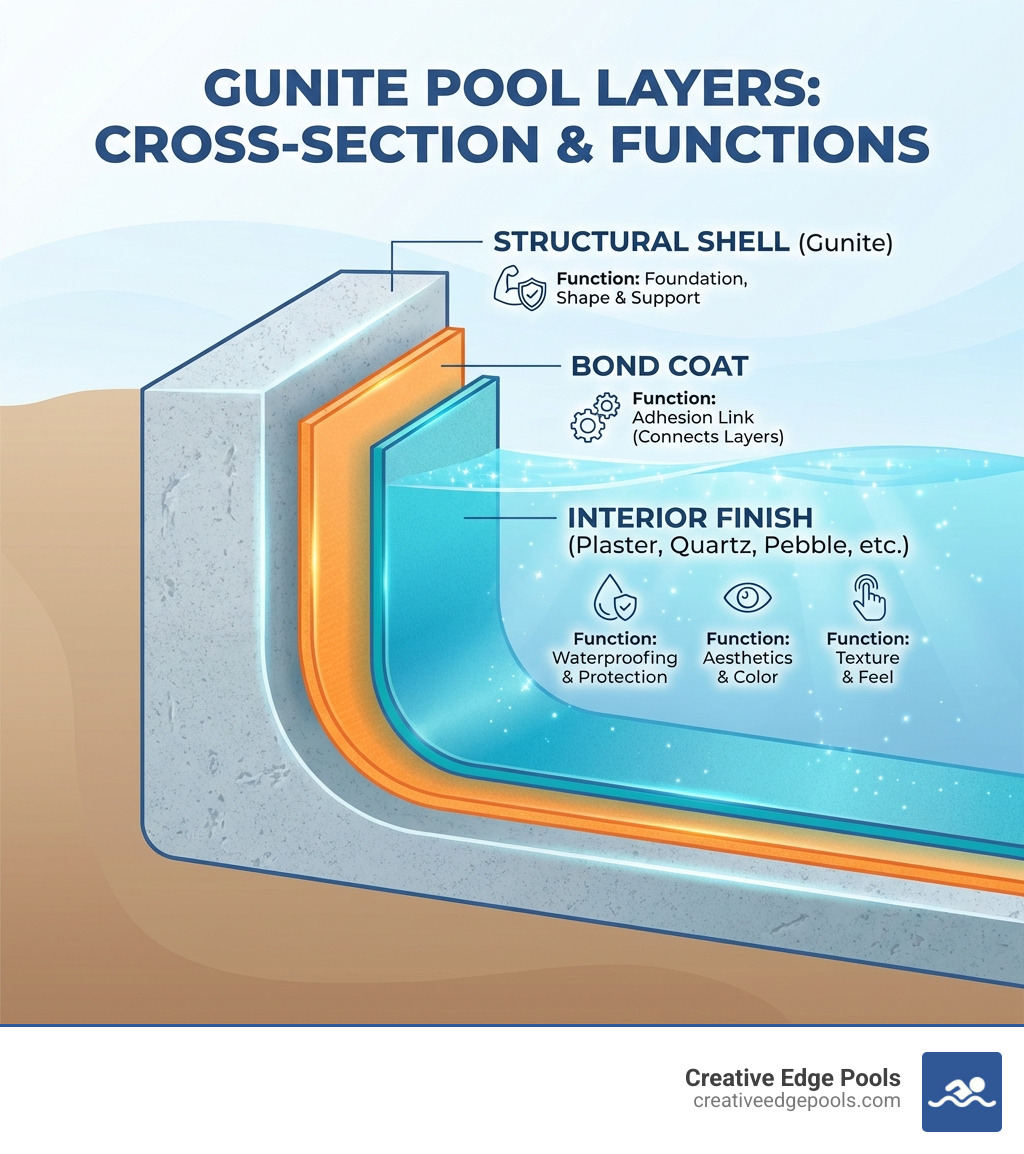
When we design and build gunite pools, we know that the pool interior finish is where beauty meets resilience. Choosing the right finish is one of the most exciting, and sometimes daunting, decisions you’ll make. Each type offers a unique blend of aesthetics, tactile feel, durability, and maintenance requirements. Let’s explore the options available for your dream pool here in Eastern MA and Southern NH.
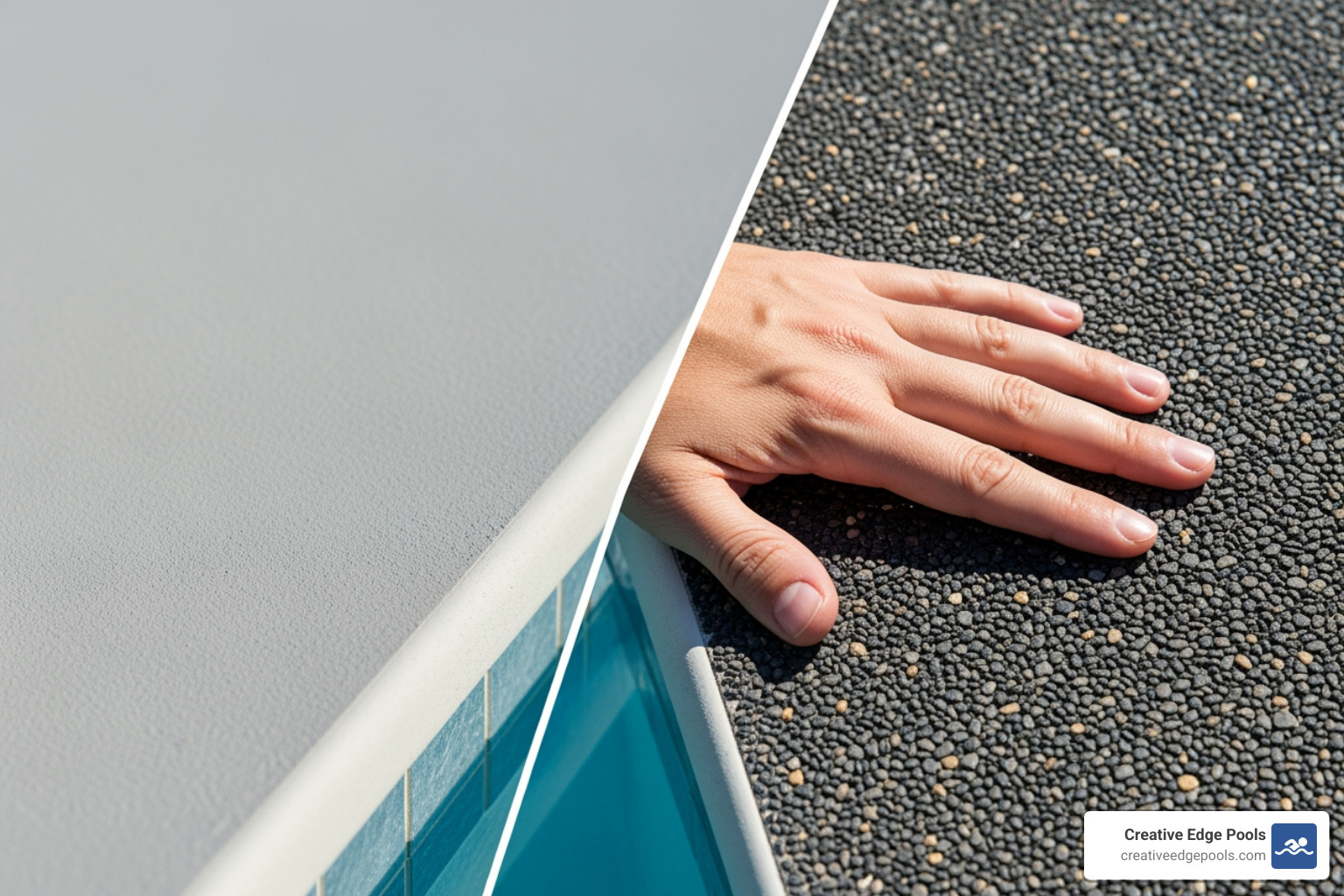
The primary types of pool interior finish we work with generally fall into categories like plaster, aggregate (including quartz and pebble), and tile. The choice impacts not only the visual appeal of your pool but also how it feels underfoot, its resistance to wear and tear, and how much care it will require.
Here’s a quick look at the textures and tactile feels you can expect:
- Smooth: Traditional plaster, polished aggregate, and some fine quartz finishes offer a silky, smooth surface that’s gentle on bare feet. This is often preferred for comfort and ease of cleaning.
- Slightly Textured: Fine quartz and smaller pebble finishes provide a subtle texture that offers good grip without being rough. This can be a great balance between comfort and slip resistance.
- Naturally Textured: Exposed aggregate and larger pebble finishes mimic natural riverbeds, providing excellent slip resistance and a distinctive, earthy feel. While some larger pebbles can be a bit rougher, many find the natural sensation appealing.
- Glassy Smooth: Finishes with glass beads or full glass tile offer an incredibly smooth, often luxurious feel, while also providing a unique shimmer.
Traditional Plaster: The Classic Pool Interior Finish
Plaster, often referred to by its brand name Marbelite in some contexts, is the grandaddy of pool interior finish options. It’s a timeless choice that has graced countless pools with its simple elegance.
What is it made of? Traditional plaster is typically a mix of white cement, finely ground marble dust (or white sand), and water. This combination creates a solid, smooth surface that is applied to the concrete shell of your gunite pool.
The affordability of plaster makes it a popular choice, especially for those looking to achieve a classic pool aesthetic without a premium price tag. When filled with water, white plaster famously creates that brilliant, light blue glow we often associate with swimming pools. However, colored plaster is also an option, offering a range of tints from enticing blues to darker hues that can create the illusion of a natural lake or pond. It’s worth noting that colored plaster can sometimes show streaks, mottling, or lose its dye over time, and some builders may even be reluctant to use it as it can magnify minor blemishes.
While plaster offers a smooth texture that’s comfortable for swimmers, it does have its drawbacks. Traditional plaster typically lasts between 5 and 10 years, depending heavily on proper water chemistry and consistent maintenance. It’s more susceptible to chemical imbalances, which can lead to etching, staining, and scaling. Over time, you might also notice check cracks or hairline cracks, known as crazing, which are normal for cementitious products but can be more pronounced with colored finishes.
Despite these considerations, for many, the classic look and initial affordability of plaster remain a compelling choice. To explore the range of colors and options, you can always View the NPT Pool Finish Catalog.
Aggregate and Pebble: The Modern Pool Interior Finish
Moving into the “new generation” of pool interior finish options, we find aggregate and pebble finishes. These have grown immensely in popularity over the last few decades, and for good reason—they offer improved durability, extended lifespans, and a stunning array of aesthetic possibilities.
Aggregate finishes combine plaster or cement with small, natural elements like river stones, quartz crystals, or glass beads. These materials are much harder than marble dust, providing a more resilient surface.
- Exposed Aggregate: This type of finish is created by power washing the top layer of cement away after application, revealing the colorful pebbles or glass beads underneath. This gives the pool a textured, natural feel, often mimicking a riverbed or a mountain stream. The texture also provides excellent slip resistance. Exposed aggregate pool finishes have been shown to have a lifespan of between 15 and 20 years.
- Polished Aggregate: For those who love the look of aggregate but prefer a smoother feel, polished aggregate finishes are an excellent choice. These surfaces are smoothed with diamond abrasives after application, resulting in a luxurious, silky-smooth finish that retains the dimensional beauty of the aggregates.
Let’s look at some popular aggregate options from leading manufacturers:
- Quartz: NPT’s QuartzScapes, for instance, are made of crushed quartz blended with white cement and mineral-based pigments. Natural and colored quartz is ten times harder than marble, making these finishes incredibly durable and resistant to scratching, chipping, and etching. A quartz pool interior finish will typically last between 7 and 12 years, offering best color integrity as the quartz crystals do not degrade over time.
- Pebble: Finishes like NPT’s StoneScapes are composed of cement blended with polished pebbles. These finishes are virtually impervious to chipping, mottling, staining, or fading, and are a favorite for pool owners craving a look that mimics a lakebed or a mountain stream. Pebble finishes offer the greatest beauty and highest durability, typically lasting 15+ years. While some larger pebbles can feel a bit rough, smaller pebble blends offer a more comfortable experience.
- Glass Beads: For a truly dazzling effect, options like NPT’s JewelScapes incorporate tiny glass beads into the plaster mix. These glass beads sparkle brilliantly in the sunlight, creating a glamorous, luxurious look. JewelScapes combine durability with a unique shimmer. PolishedScapes, another NPT offering, blends polished marble and glass aggregates for a smooth yet sparkling finish.
Aggregate finishes, in general, are more resistant to pool chemical imbalances than traditional plaster and last much longer. This makes them a superior investment for many homeowners. They also offer a vast range of color options, from earthy tones to vibrant blues and greens, allowing us to customize your pool’s aesthetic to perfection.
For a deeper dive into visual inspiration and the latest trends in aggregate finishes, check out NPT Instagram for visual inspiration. You’ll see how these finishes can truly transform a pool into a backyard oasis.
Finally, while not an aggregate, tile is the ultimate premium pool interior finish. Made of porcelain, stone, or glass, tile is the longest-lasting option, potentially never needing replacement. It’s incredibly durable, non-porous, and offers unlimited design possibilities, though it comes at a significantly higher cost. We often use tile for waterlines, steps, or as accents to complement other finishes.
Comparing Performance: Durability, Lifespan, and Cost
When investing in a gunite pool, understanding the performance of different pool interior finish options is crucial. We want you to make an informed decision that balances your budget, aesthetic desires, and long-term maintenance expectations.
Here’s a comparison of the key finishes we discussed, focusing on their typical lifespan, general cost, and maintenance levels. Please note that costs can vary significantly based on region (these are general estimates, and local costs in Eastern MA and Southern NH may differ), pool size, and specific product choices.
| Finish Type | Typical Lifespan | Estimated Cost (per sq ft)* | Maintenance Level | Chemical Resistance | Comfort/Slip Resistance |
|---|---|---|---|---|---|
| Plaster | 5-10 years | $3.60 – $4.00 | Moderate to High | Low | Smooth / Moderate |
| Quartz | 7-12 years | $4.75 – $5.00 | Moderate | Moderate | Smooth to Slightly Textured / Good |
| Pebble | 15-20 years | $4.75 – $5.00+ | Low to Moderate | High | Textured / Excellent |
| Glass Beads | 10-15 years | $4.75 – $5.00+ | Low to Moderate | Moderate to High | Smooth / Good |
| Tile | 20-50+ years | $20.00 – $50.00+ | Low | Very High | Smooth to Textured / Variable |
*Cost estimates are general and derived from various sources. Actual costs in Eastern MA and Southern NH will vary. Tile costs are significantly higher due to material and labor for individual tile installation.
As you can see, the choice of pool interior finish directly impacts durability, slip resistance, and comfort. Plaster, while smooth and affordable, is the least durable and most prone to issues like etching and scaling when water chemistry isn’t perfectly balanced. Aggregate finishes, particularly pebble, offer superior chemical resistance and longevity due to the inert nature of the materials used. The textured surface of exposed aggregate also provides excellent slip resistance, a key safety factor for any pool. Polished aggregates and glass bead finishes offer a smoother feel while retaining much of the improved durability.
For a comprehensive understanding of what constitutes normal wear and tear versus a defect, and the importance of proper water chemistry, we recommend reviewing the Pool Interior Finish Disclosure and standards. This document, often referenced by industry professionals, helps manage expectations regarding the inherent characteristics of these materials.
Longevity Factors for Your Pool Interior Finish
The lifespan of your pool interior finish isn’t solely determined by the material you choose; it’s also heavily influenced by how the pool is treated and maintained. We always emphasize that proper care is paramount, especially here in Eastern MA and Southern NH where seasonal changes can impact your pool.
Key factors influencing longevity include:
- Water Chemistry: This is perhaps the most critical factor. Pool finishes are constantly submerged in chemically treated water, and an imbalance can wreak havoc. Maintaining the Langlier Saturation Index (LSI) at 0 to +/- 0.5 is vital. The LSI measures the saturation balance of calcium carbonate in your water, indicating whether your water is corrosive or scale-forming. Consistent monitoring of pH, alkalinity, and calcium hardness prevents issues like etching (if water is too corrosive) or scaling (if water is too saturated). For instance, “hard water” (high alkalinity and calcium) can significantly reduce the endurance of plaster finishes.
- UV Resistance: Our pools in MA and NH are exposed to strong sunlight, and UV rays can cause pigments to fade over time, particularly with colored plaster. Aggregate finishes with ceramic-coated crystals or natural stones tend to be more UV-resistant.
- Freeze-Thaw Cycles: While gunite pools themselves are built to withstand our cold winters, the pool interior finish can be affected if water is not properly managed during winterization. Ensuring the pool is correctly closed and drained according to best practices helps protect the finish from ice damage.
- Brushing and Filtration: Regular brushing helps prevent algae growth and keeps the surface clean, reducing the need for harsh chemical treatments. A well-maintained filtration system ensures clean water, which in turn reduces the strain on your finish.
- Start-up Procedures: For freshly plastered pools, a proper start-up procedure is highly recommended. This controlled process helps the finish cure correctly, promoting a longer-lasting surface.
By understanding and diligently managing these factors, we can significantly extend the life and beauty of your chosen pool interior finish.
Aesthetic Impact: Water Color and Texture
The pool interior finish you select has a profound impact on the overall aesthetic of your pool, most notably influencing the perceived color of the water and the tactile experience. It’s truly where your personal style comes to life.
- Water Color: This is one of the most striking effects. A white plaster finish reflects light beautifully, creating that iconic bright blue water. As we move to darker finishes, the water takes on deeper, richer hues. Medium grey plasters or light-colored aggregates can give the water an enticing blue-green tint, reminiscent of a Caribbean lagoon. Darker aggregates or black finishes create a stunning mirror effect, reflecting the surrounding landscape or evoking the mystery of a deep lake. Pigments in colored finishes can fade over time, and mottling (uniform cloudy appearance) is a normal characteristic of cementitious products, but the underlying color of the finish will always dictate the water’s perceived shade.
- Light Refraction and Reflectivity: Finishes incorporating glass beads or highly polished aggregates manipulate light in fascinating ways. These materials catch the sunlight, creating a shimmering, dimensional effect that can make your pool truly sparkle.
- Comfort and Traction (Slip Resistance): The texture of your pool interior finish plays a dual role in comfort and safety. A smooth plaster or polished aggregate finish is soft underfoot, which many find highly desirable. However, for areas like steps or shallow entries, a slightly more textured finish can provide better traction, reducing the risk of slips. Exposed aggregate and pebble finishes, with their naturally textured surfaces, offer excellent slip resistance, making them a great choice for families or those prioritizing safety. While some larger pebbles might feel a bit rough initially, many homeowners appreciate the natural, grounding feel.
- Sun Exposure and Depth Perception: The way sunlight hits your pool can alter how the finish color appears, making it look lighter or darker throughout the day. Darker finishes also tend to give the illusion of greater depth, even in shallower areas.
Choosing a pool interior finish allows us to craft a specific water mood – whether you envision a vibrant, inviting blue, a tranquil lagoon green, or a sophisticated, reflective dark expanse.
Maintenance and Care for Lasting Beauty
Ensuring the longevity and pristine appearance of your pool interior finish requires consistent and thoughtful maintenance. It’s not just about keeping the water clean; it’s about protecting the very surface that defines your pool’s beauty and integrity.
- Filtration: A properly operating filtration system is your first line of defense. It continuously removes debris and contaminants, reducing the workload on your chemicals and preventing organic matter from staining the finish. We always ensure our gunite pool installations include robust filtration systems suitable for the pool’s size and usage.
- Start-up Procedures: For new or newly resurfaced gunite pools, a careful start-up process is crucial. This involves a controlled filling, brushing, and chemical balancing regimen that helps the finish cure properly and prevents initial staining or damage. It sets the stage for a long and healthy life for your pool interior finish.
- Brushing: Regular brushing is simple but highly effective. It helps prevent algae from attaching to the surface, especially in the micro-crevices of textured finishes, and dislodges any fine dirt that the filtration system can then remove. This is particularly important for plaster, which is more prone to algae growth.
- Chemical Balance: This is the cornerstone of pool finish maintenance. As we discussed, an imbalanced Langlier Saturation Index (LSI) can lead to etching, scaling, and premature deterioration. Key parameters to consistently monitor include:
- pH Levels: Ideal range is typically 7.4-7.6. Imbalances can affect sanitizer effectiveness and comfort, and contribute to finish degradation.
- Total Alkalinity: Helps buffer pH, preventing drastic swings.
- Calcium Hardness: Crucial for cement-based finishes. Too low, and water will seek calcium from your finish; too high, and you risk scaling.
- Chlorine: Essential for sanitation, but extreme levels can also impact finishes over time.
- Cyanuric Acid (CYA): Stabilizes chlorine, but high levels can reduce chlorine effectiveness.
- Total Dissolved Solids (TDS): High TDS can make water chemistry harder to manage.
We emphasize that chemical treatment alone will not produce sanitary pool water or protect your finish. It’s the combination of proper chemistry, filtration, and physical care that yields optimal results. For more details on industry standards and best practices for pool care, including responsible maintenance, you can refer to the PoolCorp Responsibility and Accessibility Statement.
Frequently Asked Questions about Pool Finishes
Here are some of the most common questions we hear from homeowners in Eastern MA and Southern NH when they’re considering their pool interior finish options.
Which pool finish is the most durable?
When it comes to sheer durability and longevity, pebble finishes generally take the crown. These finishes, like NPT’s StoneScapes, are composed of natural river pebbles embedded in a cementitious base. The pebbles themselves are chemically inert, meaning they are highly resistant to the corrosive effects of pool chemicals and water imbalances.
Pebble finishes typically boast an impressive lifespan of between 15 and 20 years, often outlasting quartz (7-12 years) and significantly surpassing traditional plaster (5-10 years). Their robust composition makes them virtually impervious to chipping, mottling, staining, and fading. While the upfront cost for a pebble finish is higher than plaster or quartz, their extended lifespan and lower maintenance requirements often make them a superior long-term investment. They offer excellent chemical resistance and maintain their aesthetic appeal for years, giving you more time to enjoy your pool and less time worrying about resurfacing.
How does finish color affect water temperature?
Yes, the color of your pool interior finish can indeed affect the water temperature, especially here in our New England climate where we appreciate every degree of warmth!
Darker pigments, much like dark clothing, tend to absorb more sunlight. A dark blue, grey, or black pool interior finish will absorb more solar radiation than a lighter white or light blue finish. This absorption translates into greater thermal retention for the pool water.
While this effect might not completely eliminate the need for a pool heater on cooler days, it can contribute to a naturally warmer pool, potentially extending your swimming season slightly and reducing energy costs associated with heating. Darker finishes also create a specific “water mood,” often resembling a natural lake or a dramatic, reflective surface, which can be a key design choice for many of our clients.
Can I use pool finishes above the waterline?
This is an excellent question and an important distinction. Most cement-based pool interior finish materials, such as plaster and aggregate products, are specifically engineered to be continuously submerged in water. The NPT Pool Finish Collection, for example, explicitly states that “finishes are not to be used above the water line.”
This is because these materials rely on constant hydration to maintain their integrity and appearance. When exposed to air and fluctuating moisture levels, they can be prone to premature drying, cracking, discoloration, and rapid deterioration.
For areas above the waterline, such as the bond beam, spillways, or raised walls, tile is the preferred and recommended material. Tile, especially ceramic, porcelain, or glass tile, is specifically designed for such applications. Key characteristics of tile that make it suitable for above the waterline use include:
- Frost-Proof: Essential for our MA and NH winters, frost-proof tile can withstand freezing and thawing cycles without cracking or delaminating.
- UV-Resistance: Tile colors are generally much more stable and resistant to fading from sunlight exposure.
- Non-Porous: Many types of tile, particularly glass and porcelain, are non-porous, making them impervious to moisture absorption and staining from splashes or environmental factors.
Waterline tile not only protects the structural integrity of your pool’s edge but also offers immense design flexibility, allowing us to add decorative accents, patterns, or contrasting colors that complement your chosen pool interior finish. While tile is more expensive ($20-$50 per square foot for material and installation), its durability (20-50+ years) and suitability for above-waterline exposure make it the correct choice for these areas.
Conclusion
Choosing the perfect pool interior finish is a pivotal decision that shapes your pool’s aesthetic, comfort, and longevity. From the classic simplicity of plaster to the rugged elegance of pebble and the shimmering luxury of glass beads, each option offers a unique set of benefits and characteristics. We’ve explored how these finishes impact water color, texture, durability, and cost, as well as the crucial role of proper water chemistry and maintenance in preserving your investment.
At Creative Edge Pools, we understand that your pool is more than just a place to swim—it’s a centerpiece for relaxation, entertainment, and creating lasting memories. As a family-owned business with over 100 years of combined experience, we take immense pride in designing, installing, and renovating gunite pools and spas throughout Eastern MA and Southern NH. Our expertise ensures that we bring your unique vision to life, crafting a backyard oasis that perfectly suits your lifestyle.
Ready to transform your backyard with a stunning gunite pool? Let us help you steer the choices and create a pool that reflects your dreams.