
Concrete Inground Pool Cost: Top 3 Shocking Insights 2024
When considering concrete inground pool cost, homeowners often face a dizzying array of figures. Let’s break this down:
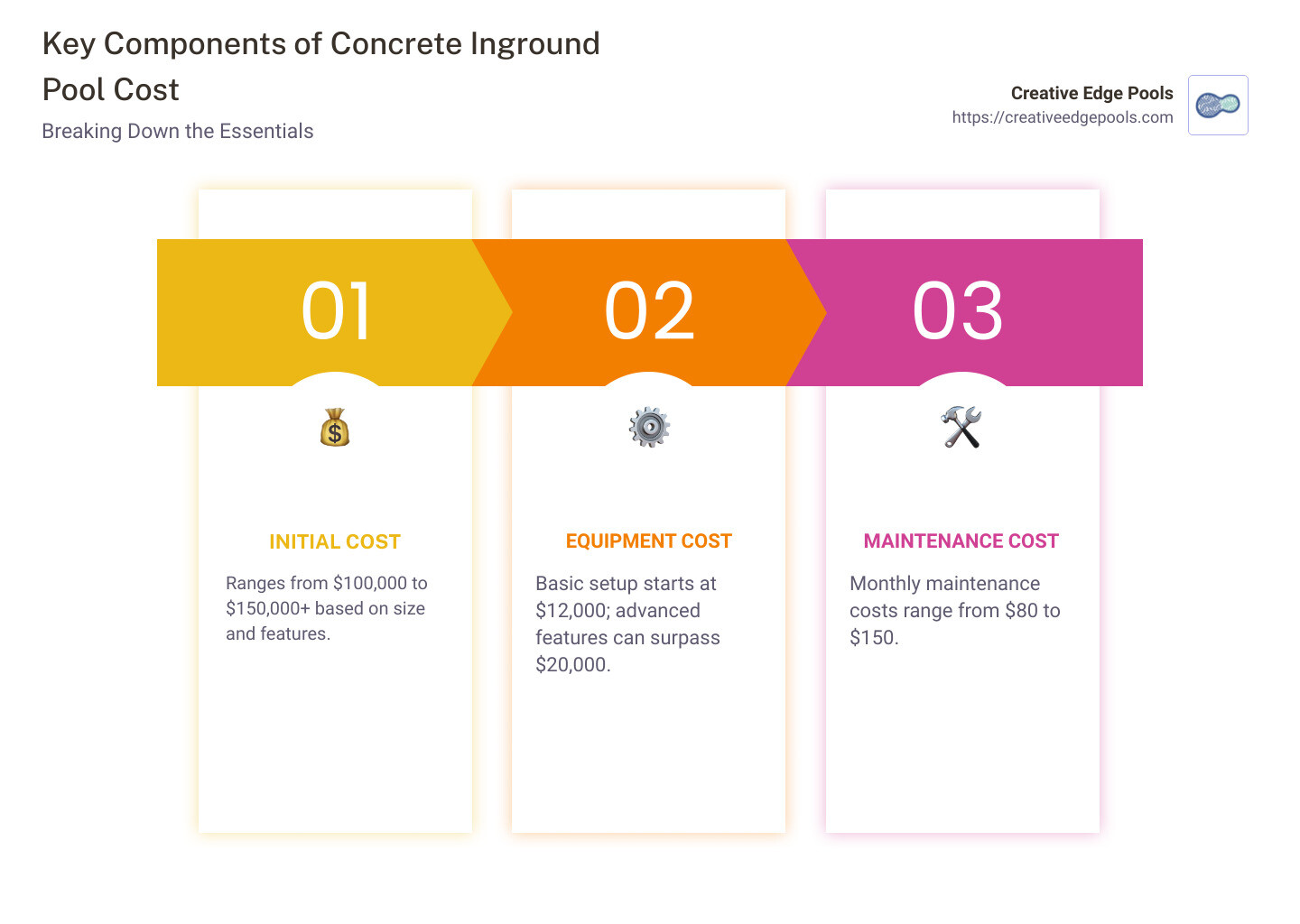
- Initial Cost: Ranging from $100,000 to over $150,000, depending on the size and features.
- Equipment: A basic setup starts at $12,000 but can exceed $20,000 with advanced features.
- Maintenance: Expect costs around $80 to $150 monthly.
- Additional Features: Extras like waterfalls can add $10,000 to $15,000.
Building a concrete inground pool involves several factors, from choosing the right pool type to understanding the installation process. Whether you’re dreaming of a simple retreat or a luxurious oasis, knowing these cost components helps you plan effectively.
I’m David Brabant, owner of Creative Edge Pools, deeply experienced in all aspects of concrete inground pool cost. With over thirty years in the industry, I’ve overseen countless projects, ensuring quality and satisfaction at every step.
Understanding Concrete Inground Pool Costs
When it comes to concrete inground pool cost, it’s important to grasp the full picture, from the initial outlay to ongoing expenses. Here’s a breakdown:
Initial Costs of Concrete Pools
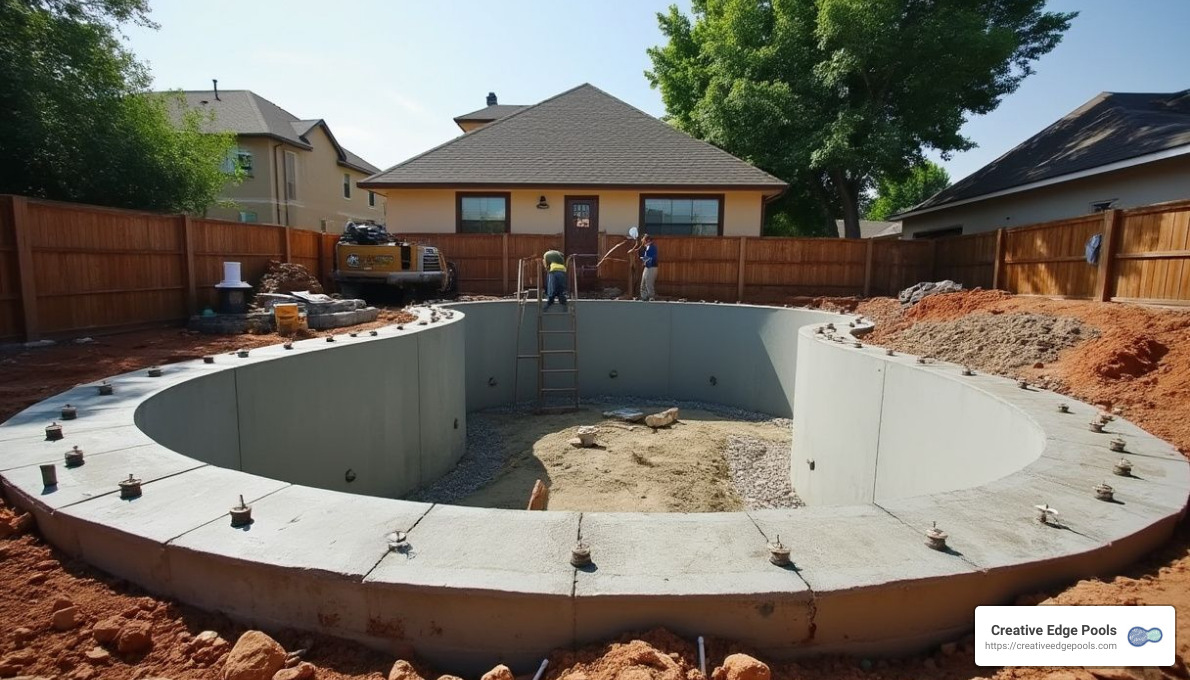
- Excavation: This is the first step and can vary greatly depending on your yard’s condition. Expect to pay more if your soil is rocky or if your backyard has limited access. Excavation is labor-intensive and often requires specialized machinery.
- Labor and Materials: Concrete pools are custom-built, which means skilled labor is essential. The materials used, including concrete, steel, and plaster, contribute significantly to the cost. The customization options, such as size and shape, also play a role in how much you’ll spend initially.
- Base Equipment: Essential equipment for pool operation, like pumps and filters, starts at around $12,000. Opting for high-end or advanced systems can increase this part of the budget.
Lifetime Costs and Maintenance
After the initial installation, maintaining a concrete pool involves several recurring expenses:
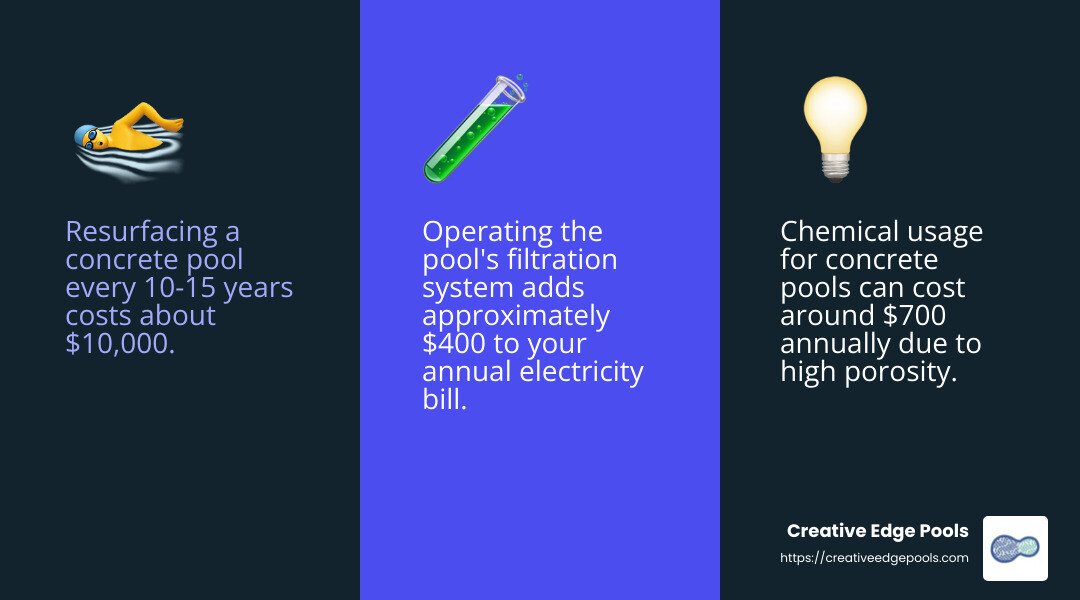
- Resurfacing: Over time, the pool’s interior surface may need resurfacing. This is a major maintenance task that typically occurs every 10 to 15 years and can cost around $10,000. The durability of the surface can impact how often this needs to be done.
- Chemical Usage: Keeping the water clean and safe requires regular chemical treatments. For concrete pools, this can amount to approximately $700 annually due to the material’s porosity, which demands more chemicals.
- Electricity: Running the pool’s filtration system and other equipment adds to your electricity bill. Annually, this can cost about $400.
- Regular Cleaning and Maintenance: Regular cleaning is crucial to prevent algae growth and maintain water quality. Hiring a professional cleaning service annually can cost around $500.
Understanding these costs helps in planning your budget and ensuring your pool remains a valuable asset. The investment you make upfront and the ongoing maintenance expenses are crucial to keeping your pool in top condition, enhancing both your property’s value and your family’s enjoyment.
Factors Influencing Concrete Inground Pool Costs
When considering a concrete inground pool, several factors can influence the overall cost. Let’s dive into the details:
Pool Size and Shape
The size and shape of your pool are primary cost drivers. Larger pools require more materials and labor, which increases expenses. The square footage of your pool directly affects the amount of concrete, steel, and manpower needed.
Customization can also play a big role. Unique shapes or designs, such as freeform pools, can add to the cost due to the complexity of construction. A simple rectangular pool will generally be less expensive than a custom-shaped one.
Interior Surface Options
The choice of interior surface for your concrete pool affects both initial costs and long-term maintenance. Two popular options are plaster and aggregate finishes.
- Plaster is a traditional choice and tends to be more affordable initially. However, it may require more frequent resurfacing and maintenance over time, typically every 10 to 15 years.
- Aggregate finishes, like exposed pebble or polished surfaces, offer improved durability and aesthetics. Although they are more expensive upfront, they can extend the time between resurfacing, potentially reducing long-term costs.
Additional Features and Accessories
Adding features can significantly improve your pool’s enjoyment and aesthetics, but they also increase the concrete inground pool cost.
- Water Features: Options like waterfalls, deck jets, or sheer descents add visual appeal and soothing sounds. These can range from a few thousand dollars to significantly more, depending on complexity and materials.
- Pool Decking: The area surrounding your pool, known as the decking, is crucial for both safety and aesthetics. Materials like concrete, stone, or pavers vary in price, with stone typically being more expensive.
- Customization: Additional features such as tanning ledges, built-in seating, or integrated lighting can further personalize your pool. Each of these options adds to the overall cost but can improve your pool experience.
Understanding these factors helps in making informed decisions about your pool project. Whether it’s choosing the right size, surface, or features, each decision impacts both the initial cost and the long-term enjoyment of your pool.
Comparing Concrete Pools with Other Types
When considering an inground pool, it’s crucial to compare different materials to find the best fit for your needs. Let’s break down the differences between concrete, vinyl, and fiberglass pools.
Concrete vs. Vinyl Pools
Durability is a key factor. Concrete pools are known for their longevity and strength. They can last for decades with proper maintenance. Vinyl pools, on the other hand, are more prone to wear and tear. They require liner replacements every 5 to 10 years, which can add to the long-term costs.
In terms of cost, vinyl pools generally have a lower initial price tag. Installation costs range from $30,000 to $120,000. However, the need for regular liner replacements can make them more expensive over time. Concrete pools start at around $50,000 but offer greater customization and durability, which can be worth the higher upfront investment.
Maintenance is another consideration. Vinyl pools tend to have smoother surfaces, which can be easier to clean. However, the liners can be vulnerable to damage from sharp objects or pets. Concrete pools, while more durable, may require more frequent cleaning and resurfacing every 10 to 15 years.
Concrete vs. Fiberglass Pools
Fiberglass pools provide a middle ground between concrete and vinyl in terms of installation and long-term costs. Their shells are pre-manufactured and shipped to the site, which can reduce installation time and labor costs. Prices typically range from $40,000 to over $200,000, depending on customization and additional features.
On the durability front, fiberglass pools are resistant to algae growth due to their smooth surface, making them easier to maintain. They also don’t require resurfacing like concrete pools, which can save money in the long run.
However, customization options are more limited with fiberglass. While you can choose from various shapes and sizes, you’re restricted to the designs available from manufacturers. Concrete pools, being fully customizable, offer endless design possibilities, allowing you to create a unique backyard oasis.
In conclusion, when weighing the options, consider your budget, desired features, and long-term maintenance needs. Concrete pools offer durability and customization, while vinyl and fiberglass provide cost-effective and low-maintenance alternatives.
Frequently Asked Questions about Concrete Inground Pool Costs
What is the life expectancy of a concrete pool?
Concrete pools are renowned for their durability. With proper care and maintenance, these pools can last several decades—often outliving vinyl and fiberglass options. Regular maintenance like acid washes, which occur every 3 to 5 years, and resurfacing every 10 to 15 years, help keep the pool in top shape. The longevity of a concrete pool makes it a solid investment, adding value to your property over time.
Why are concrete pools so expensive?
The high cost of concrete pools is largely due to the labor-intensive installation process and the premium material costs. Constructing a concrete pool involves skilled labor for tasks like excavation, rebar placement, and concrete pouring. This process can take several weeks, requiring precise work to ensure the pool’s durability and longevity. Materials such as rebar and concrete are also more costly than those used in vinyl or fiberglass pools, contributing to the overall expense.
What is the most expensive part of installing an inground pool?
When installing an inground pool, excavation is often the most costly component. This phase requires specialized equipment to dig the pool site, especially if there are challenging soil conditions or rocky terrain. Additionally, the need for retaining walls in sloped areas can increase costs significantly. Beyond excavation, the installation of the pool shell, including rebar and concrete, also represents a major expense, given the precision and labor required.
Understanding these factors helps in planning and budgeting for a concrete inground pool, ensuring you have a clear picture of the investment needed for this long-lasting addition to your home.
Conclusion
At Creative Edge Pools, we understand that building a pool is more than just a construction project—it’s about creating a personal oasis that reflects your vision and improves your lifestyle. As a family-owned business serving Eastern Massachusetts and Southern New Hampshire, we take pride in delivering custom designs that are as unique as each of our clients.
Our comprehensive services go beyond just installing a pool. We offer full backyard development, including landscaping and masonry, to ensure your outdoor space is cohesive and beautiful. Whether you’re dreaming of a serene retreat or a lively entertainment area, our team is committed to bringing your vision to life.
Choosing a concrete pool is a significant investment, but with our expertise, we help you maximize value and longevity. From the initial design to the finishing touches, we are with you every step of the way, ensuring a seamless and stress-free experience.
Ready to transform your backyard into a paradise? Visit our Gunite Pool Cost page to learn more about our services and start planning your dream pool today.
